From Communist Isolation to a European Travel Hotspot: Albania's Transformation
Just a few decades ago, Albania was one of the most closed-off countries in Europe, where the presence of foreign tourists was almost unimaginable, but it has since become a sought-after travel destination.
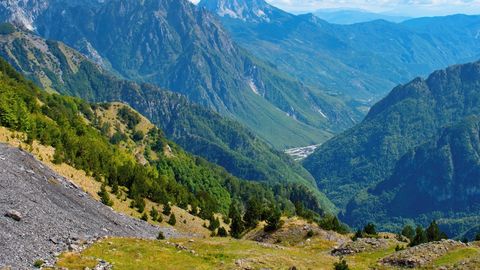
Albania is historically remembered as one of the most closed countries in Europe. During the communist era, the presence of foreign travelers in the country was almost unimaginable — borders were tightly controlled, and the nation remained cut off from most forms of international exchange, including the tourism flows that were already developing elsewhere in Europe at the time.
This isolation shaped Albania's image as one of the continent's least known and least visited countries. Decades of seclusion meant that for much of the wider European public, the country remained a relatively unfamiliar territory, both culturally and in terms of its natural landscapes.
A shift over the years
Since then, the situation has changed significantly. Albania is now described as one of the most in-demand travel destinations in Europe — a trend that marks a sharp contrast with the country's recent past. The shift from a strictly closed, isolated state to an open destination welcoming tourists reflects the broader changes Albania has undergone since the end of the communist regime.
While the specific reasons and circumstances behind this growing popularity would require closer examination, the fact alone that a country once nearly inaccessible to foreigners is now counted among Europe's favored travel destinations points to a significant opening of the nation to the world over recent decades.