Tree fallen in your yard after the storm? Experts suggest 10 ways to reuse it
Following a powerful storm that swept across Latvia, experts are urging private homeowners not to treat fallen trees as waste but to reuse the wood in several practical, environmentally friendly ways.
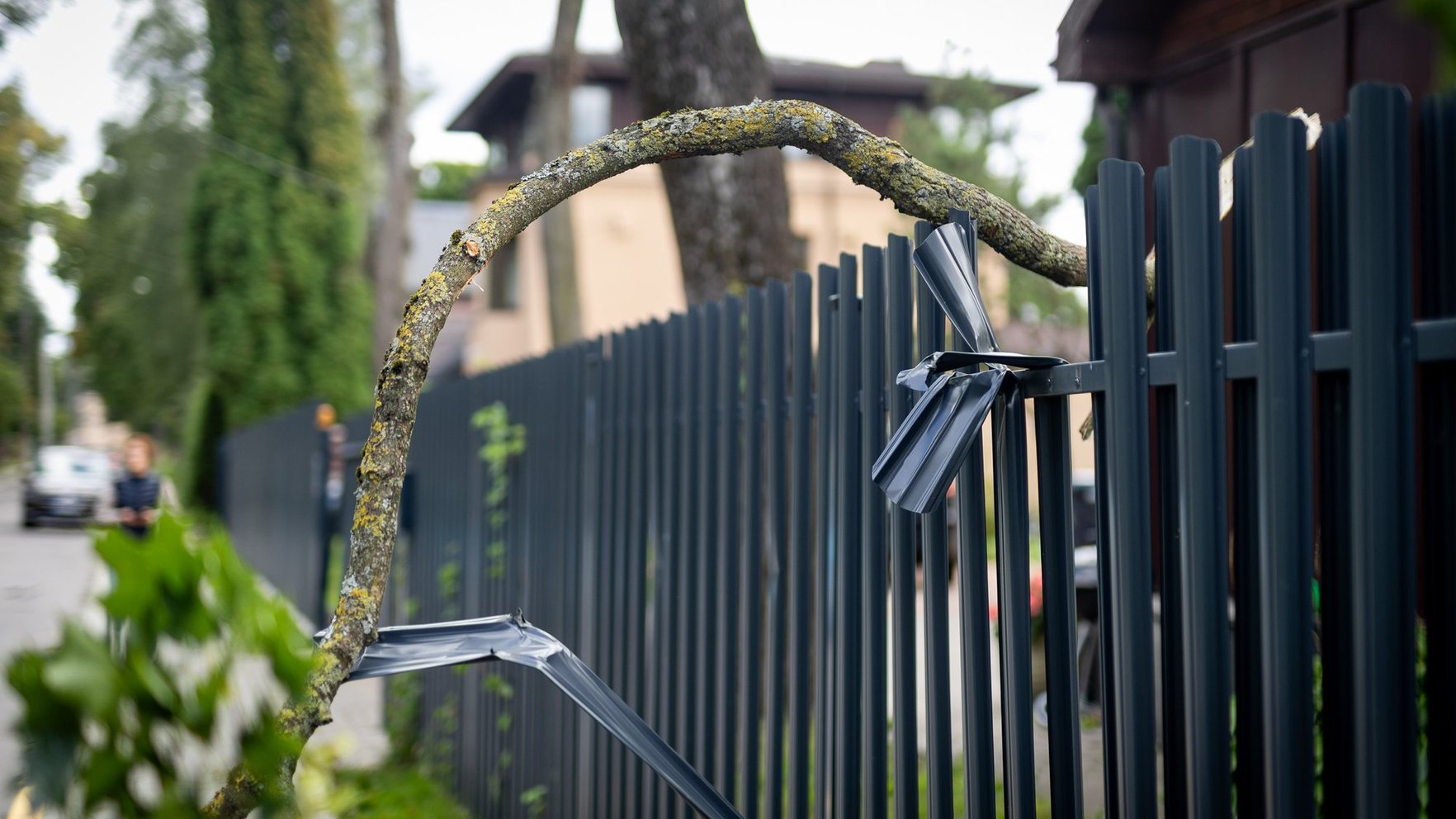
On the night of August 23, Latvia was hit by one of the strongest storms in recent decades, with wind gusts exceeding 30 meters per second. The storm snapped hundreds of trees and damaged fences, cars, traffic lights and public transport power lines, while also flooding basements, yards and streets.
Unlike cities and public spaces, where tree management is strictly regulated, private homeowners generally have far more freedom to decide what to do with a fallen tree on their own property. Still, before cutting, owners are advised to check three things: whether removing a tree that is dangerous but not yet fully down requires municipal notification or approval; whether the tree is specially protected, such as a nationally significant heritage tree requiring permission from the Nature Conservation Agency; and what local waste management and burning rules apply if the owner intends to dispose of the branches and wood as waste, since these rules vary between municipalities.
Why a fallen tree isn't simply waste
Experts note that a tree knocked down by a storm is, by nature, a biological resource rather than waste — it only becomes waste once the owner deliberately gets rid of it. Reusing the wood on-site is therefore a way to prevent waste from being generated in the first place.
Ten ways to use the wood
Suggestions include cutting the trunk into firewood, though from a climate perspective wood is better used for longer-lasting purposes since burning releases its stored carbon quickly. Thinner branches can be chipped into mulch, which protects soil from overheating and erosion while reducing weeds and watering needs. Thicker pieces can go into raised garden beds to store moisture, or be turned into garden furniture such as benches, tables or shelves. Straight trunks and branches can edge flower beds, paths or compost areas, while some wood can simply be left in a pile to provide habitat for insects, fungi and other organisms.
Branches can also serve as plant supports for tomatoes, peas or beans, or be shaped into interesting household items like coat hooks, lamp stands or fence elements. Undamaged, quality wood can be sawn into boards for crafts or small construction projects, locking in carbon for decades. Finally, if the tree poses no danger, part of it can simply be left to decompose naturally, enriching the soil with organic matter.