Leaked Rosatom documents: Tatarstan plant could boost Shahed drone output by 78%
Leaked Rosatom documents indicate a new carbon fiber plant in Tatarstan could raise Russia's Shahed-type drone production by 78% by 2029, adding up to 28,000 drone bodies per year.
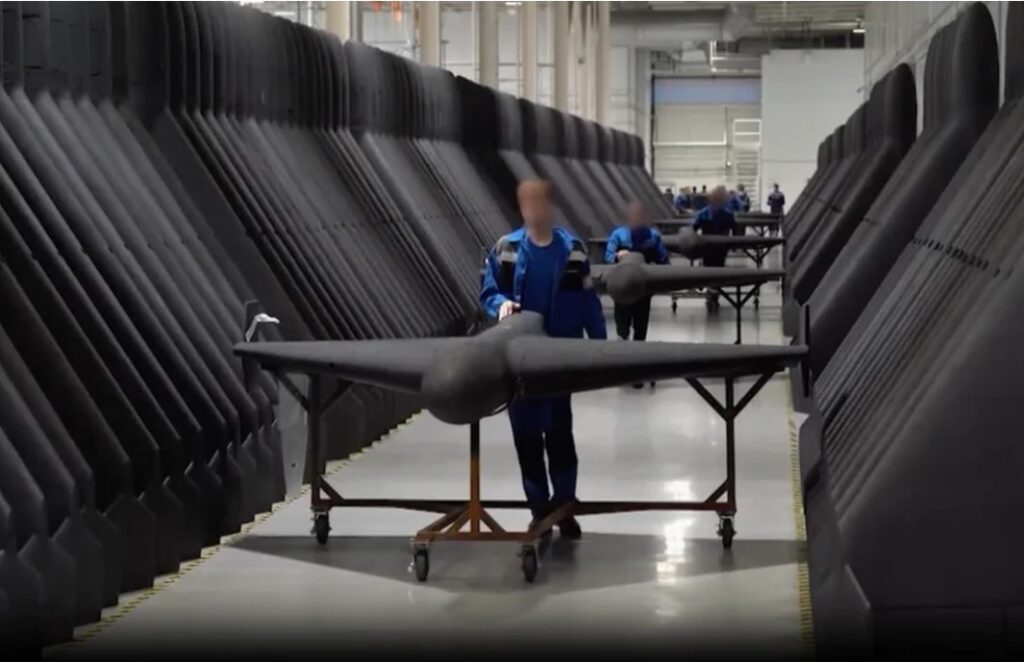
Leaked documents from Russia's state nuclear corporation Rosatom reveal plans for a new carbon fiber plant in Tatarstan that could substantially expand Russia's capacity to produce Shahed-type attack drones.
According to the documents, the plant could supply an additional 28,000 drone bodies per year, which would raise overall Shahed-type drone output by roughly 78% by 2029.
The role of carbon fiber
Carbon fiber is a key material in drone body manufacturing because it is light yet durable, allowing for aircraft with improved flight performance. The construction of a new plant shows that Russia continues to invest in domestic production capacity to reduce reliance on foreign supplies and expand the availability of Shahed-type drones.
A rare window into planning
The leak offers a rare look into the internal planning processes of Russia's military-industrial complex and its longer-term goals for scaling up drone manufacturing. The information about the plant and its expected impact on production volumes comes from internal Rosatom documents that have entered the public domain.
Shahed-type drones are among the main weapons Russia uses in mass strikes against Ukrainian territory, including energy infrastructure and cities. Russia's ability to increase production of these drones could directly affect the course of the war and Ukraine's capacity to defend against such attacks in the coming years.