NYC's Mamdani rolls out pied-à-terre tax on second homes, sparking backlash and praise
New York Mayor Zohran Mamdani has introduced a new tax on high-value second homes, which experts largely welcome as an equitable revenue tool even as some residents and wealthy critics push back.
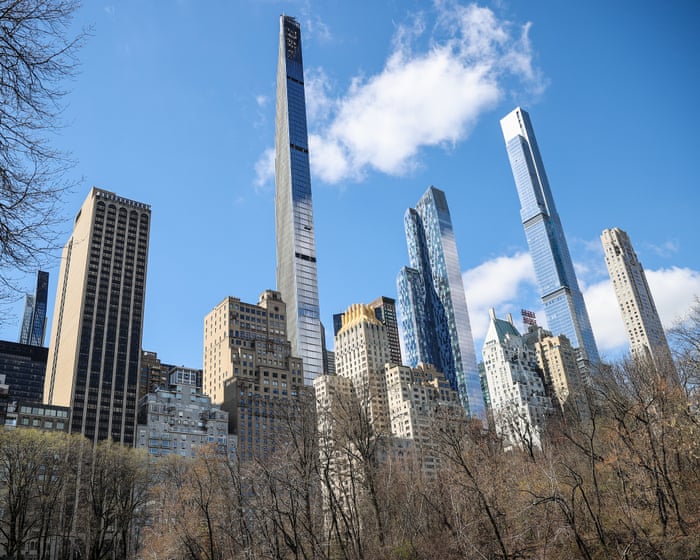
New York City has begun enforcing a new pied-à-terre tax targeting owners of second homes who don't live there full-time. The tax applies to houses worth more than $5m and condos or co-ops valued at $1m or more. Mayor Zohran Mamdani's administration says the measure, meant to help close the city's budget gap, could generate up to $500m annually.
To notify residents, the city sent letters to roughly 17,000 addresses suspected of being second homes and published a tax roll listing nearly 960,000 properties that could be subject to the surcharge, including addresses and market values. Many residents were angered after receiving notices for what are actually their primary homes, and some called the disclosure an invasion of privacy. The conservative New York Post ran a critical front-page headline, while Staten Island borough president Vito Fossella compared the move to practices in Havana.
However, Rutgers professor James DeFilippis noted the data was already publicly available as part of routine property tax assessments. City council member Gale Brewer, whose own home likely meets the threshold but is her primary residence, said she has heard from many upset constituents. The city has extended the exemption application deadline to 18 September and hired additional staff to handle complaints; more than 9,600 people have already applied for exemptions.
Experts, including Emily Eisner of the Fiscal Policy Institute, argue the tax targets wealthier owners who can afford it and is unlikely to significantly harm the real estate market. Sales of high-end Manhattan properties have in fact risen this year. Despite earlier threats to relocate his business to Miami, billionaire Ken Griffin remains a partner in a new $4.5bn Manhattan development project. Experts remain divided on whether the city will ultimately hit its projected $500m revenue target.