New Mexico court orders Meta to pay $567m over harms to children's mental health
A New Mexico court has ordered Meta, Facebook's parent company, to pay $567 million for mental health harm caused to children by its platforms. Most of the money will fund treatment services for young people.
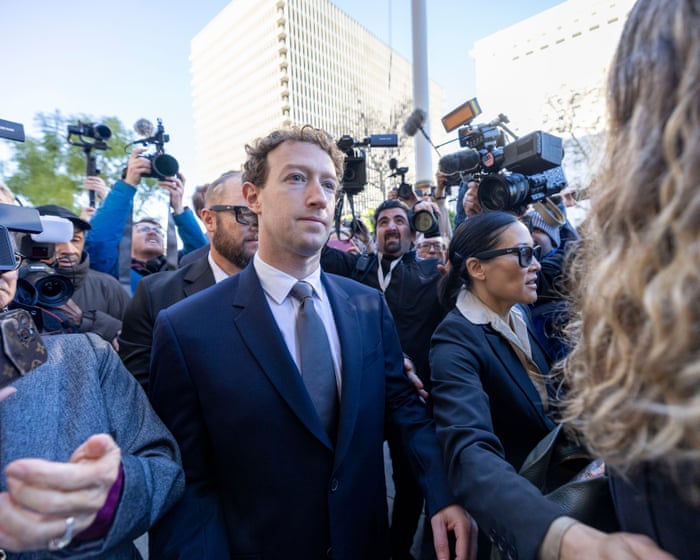
A New Mexico court has ruled that Meta, the parent company of Facebook and Instagram, must pay $567 million for the harm its platforms have caused to children's mental health. Judge Bryan Biedscheid stated that the bulk of the sum – $420 million – will be used for treatment services for young people, while the remaining funds will go toward awareness, prevention, screening services, and other costs over the next five years.
The ruling comes in the second phase of a landmark trial that the social media giant lost in March. At that time, a jury found that the company knowingly harmed children's mental health and concealed what it knew about child sexual exploitation on its platforms, imposing a $375 million fine. That trial was the first to find Meta liable for acts committed on its platform, following a Guardian investigation that revealed how Facebook and Instagram had become marketplaces for child sex trafficking.
In the second phase, prosecutors had asked the judge to implement fundamental changes at Meta, including curbing addictive features, improving age verification, and preventing child sexual exploitation through default privacy settings and closer oversight. The judge also ordered other changes, such as requiring Facebook and Instagram to build banner and informational screens that clearly explain their protection features, best practices, and tools to address inappropriate comments. These changes, along with an educational campaign in New Mexico, would be subject to review by the state.
Meta disagreed with the ruling and will appeal, according to a statement issued by a company spokesperson late Thursday. The statement said Meta works hard to keep people safe on its platforms and has been transparent about the challenges of identifying and removing bad actors and harmful content. The company expressed confidence in its record of protecting teens online and said it will continue to defend itself against claims that misrepresent the facts.