Nvidia chief's scandal intensifies China-US contest over AI chips
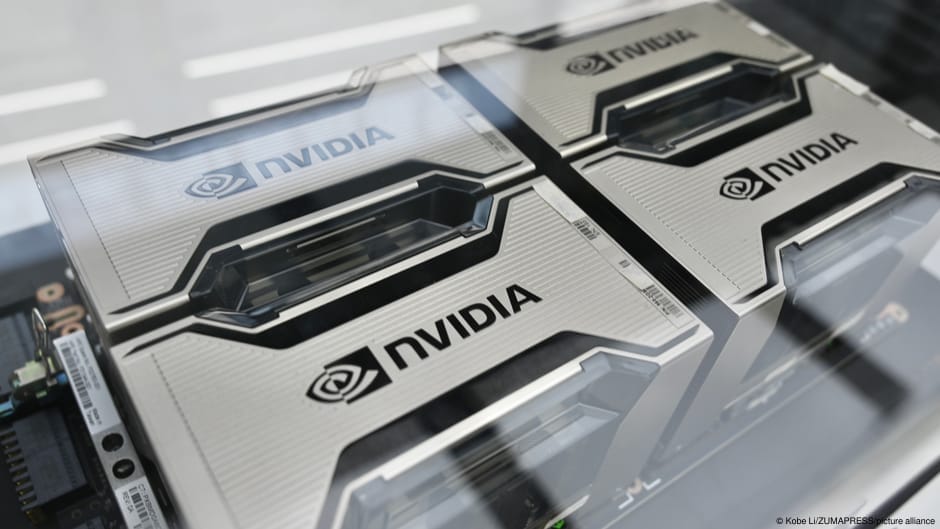
After Jensen Huang resigned as CEO of US chipmaker Nvidia, China must decide whether to keep buying American chips or rely on domestic industry. Washington is reportedly weighing new restrictions, while Beijing has yet to approve imports of already cleared chips.
Jensen Huang, CEO of the US artificial intelligence (AI) chipmaker Nvidia, resigned last week after reports of extramarital relationships, including one with a businesswoman the United States suspects of spying for Beijing. The scandal comes as China pursues global leadership in AI and weighs how far it should keep depending on American chips, a choice that affects the worldwide semiconductor industry and the US-China technology rivalry.
China's dilemma
Vice Premier Ding Xuexiang, who chairs the Communist Party's Commission on Science and Technology, has been tasked with strengthening China's innovation capacity. He must decide whether to keep relying on US chips or back domestic industry in the hope of a breakthrough. Around 600,000 Nvidia H200 chips are currently waiting in Hong Kong for Chinese import approval, even though the White House has already cleared them. Karson Elmgren of the Institute for AI Policy and Strategy in Washington says this suggests Beijing does not see short-term advantages as decisive and expects to replace US chips over the medium term.
US restrictions and trade
As early as 2023, the Biden administration restricted exports of advanced semiconductors and chipmaking equipment to China on national security grounds. In December, the Trump administration allowed Nvidia to ship H200 chips to China provided the US received 25% of sales. Each chip costs $27,000, and Nvidia estimates Chinese demand at 2 million units, or roughly $5.4 billion in sales.
China rejected the spying allegations as unsubstantiated and a smear campaign, and it sharpened its rhetoric before the meeting between Presidents Xi Jinping and Donald Trump at the APEC summit in Shenzhen. Foreign Ministry spokesperson Mao Ning said on November 13 that China opposes the misuse of export controls.
Domestic chips and equipment gaps
Chinese AI products increasingly use domestic chips, including in defense systems. Yet the country still lacks the most advanced chipmaking equipment: the Dutch lithography machine maker ASML has stopped exporting its newest machines to China.