Nvidia board opens inquiry into CEO Jensen Huang's situation
The board of US chipmaker Nvidia has launched an inquiry tied to CEO Jensen Huang's affair and possible national security risks involving China. The board says it has no reason to believe security or company secrets were compromised.
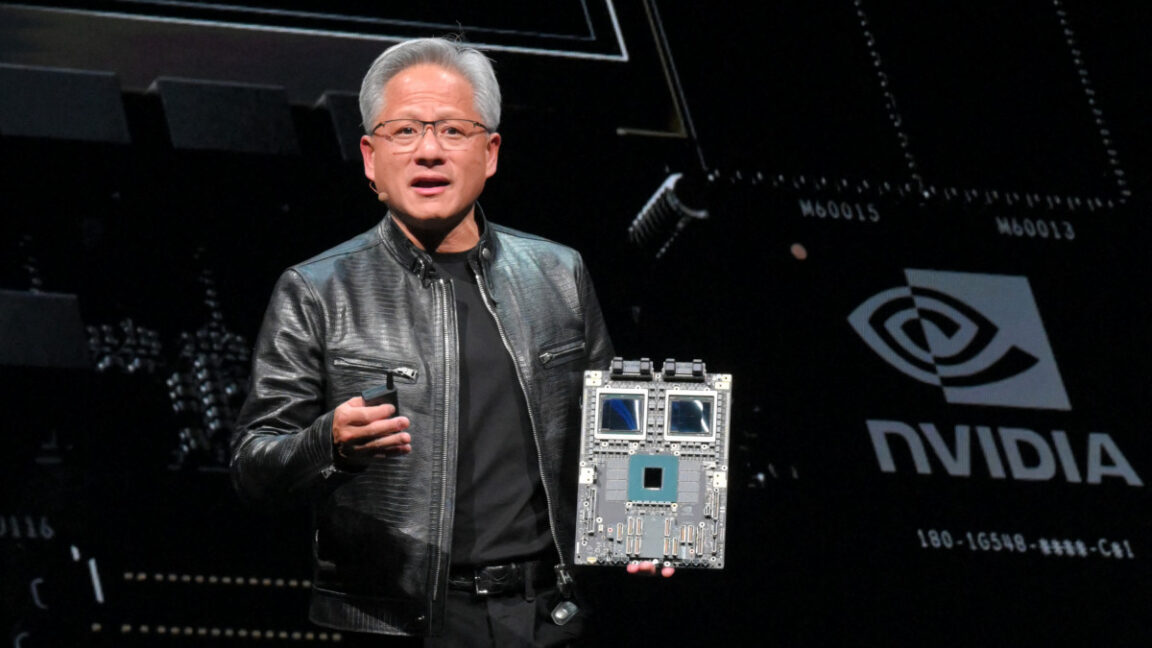
The board of Nvidia, the US maker of artificial intelligence chips, announced on Sunday an inquiry centred on co-founder and chief executive Jensen Huang. In a Financial Times report republished by Ars Technica, the probe is linked to Huang's affair and a possible risk of Chinese espionage. The matter is significant because Nvidia is a leading player in the AI chip market, and exports of those chips to China are a heated issue in US politics.
The inquiry will be overseen by a committee of independent directors, assisted by external lawyers. In its statement, the board said it prioritises US national and economic security. It added that it has no reason to believe that national security or Nvidia secrets were compromised, but that the inquiry will examine all available information.
Background: chips and China
Huang has repeatedly lobbied US President Donald Trump to take a more permissive approach to shipping Nvidia chips to China. New export controls in 2025 cut the company off from that market entirely. Trump later allowed exports of Nvidia's older-generation H200 chips, with the US government taking a share of sales. The deal had a minimal effect on Nvidia's sales because Beijing pushed back against its technology, but it further angered China hawks in the US administration. The US government had already been investigating a company called Megaspeed over concerns that it was smuggling Nvidia chips into China.
Huang's role at the company
Huang co-founded Nvidia in 1993 as a video-game graphics card company and is one of the longest-serving founder-CEOs in Silicon Valley. He leads a close core team of about half a dozen executives and directly manages dozens of reports. Nvidia's market valuation has grown from roughly $1 trillion in 2023 to $4.5 trillion.
Elon Musk, a close ally of Huang, agreed with a social media post calling him irreplaceable for America's AI leadership. John Moolenaar, the Republican chair of the House China committee, said that, together with other lawmakers, he has asked Huang to testify before Congress on national security concerns related to China's access to sensitive technology.

