Nvidia may regain access to China's chip market as Huang's sway over Trump grows
China is reportedly considering letting ByteDance and Alibaba buy Nvidia gaming chips that could power AI servers, while experts raise concerns about CEO Jensen Huang's growing influence over President Trump's AI policy.
Following a recent summit between President Trump and Chinese President Xi Jinping, export controls were not discussed, and the two countries merely extended their fragile trade truce by two months. Behind the scenes, however, Nvidia appears to have scored a win: China is reportedly weighing whether to loosen restrictions and let its largest AI firms import potentially millions more Nvidia chips.
Sources told The Information that China's Ministry of Industry and Information Technology asked Alibaba and ByteDance to submit plans for purchasing Nvidia's RTX Pro 5500 chips. Though officially gaming chips, they could be deployed in servers to power AI models. If approved, ByteDance reportedly plans to order one million units, securing roughly two quarters of projected sales for Nvidia. Shipments could reportedly begin in December.
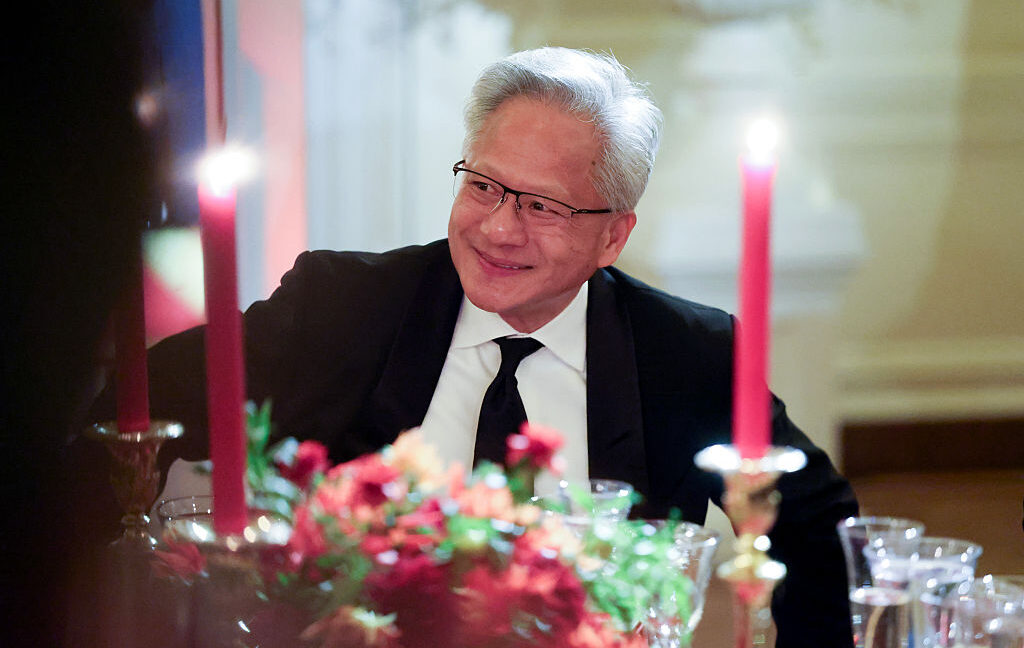
Huang's growing role
Since taking office, Trump's administration has moved from tightening restrictions—Nvidia's China market share for advanced AI chips fell from about 95 percent to zero—to eventually lifting the ban on H200 chip exports after Trump met with Huang.
Stephen Witt, author of a book about Huang, told NPR that Huang is now the president's "most influential adviser" on technology, and that Trump's recent comments downplaying AI risks echo Huang's own talking points. Treasury Secretary Scott Bessent has said Trump is "completely aligned" with Huang.
Andrew Yoon, a researcher at AI safety nonprofit CivAI, said Nvidia is the most aggressive AI company when it comes to prioritizing profit. Some experts worry that loosening controls further could eventually strain the domestic chip supply for US data centers, though Nvidia's own figures suggest no such competition exists yet—the company reportedly took a $400 million hit in the first half of 2026 due to unsold H200 chips that no US firm wanted.
An Nvidia spokesperson told Ars Technica that allowing exports of older gaming chips would benefit US companies unfairly burdened by restrictions. Critics, meanwhile, note that neither Trump nor Xi appears willing to even symbolically consider slowing AI development to address safety risks.