Occupied Luhansk: Journalists Warn of Neglect and Growing Pressure on Residents
Ukrainian journalists say the Russian-occupied city of Luhansk and its region get little attention in Ukraine. Studies point to rising repression and a changing ethnic makeup in the occupied territory.
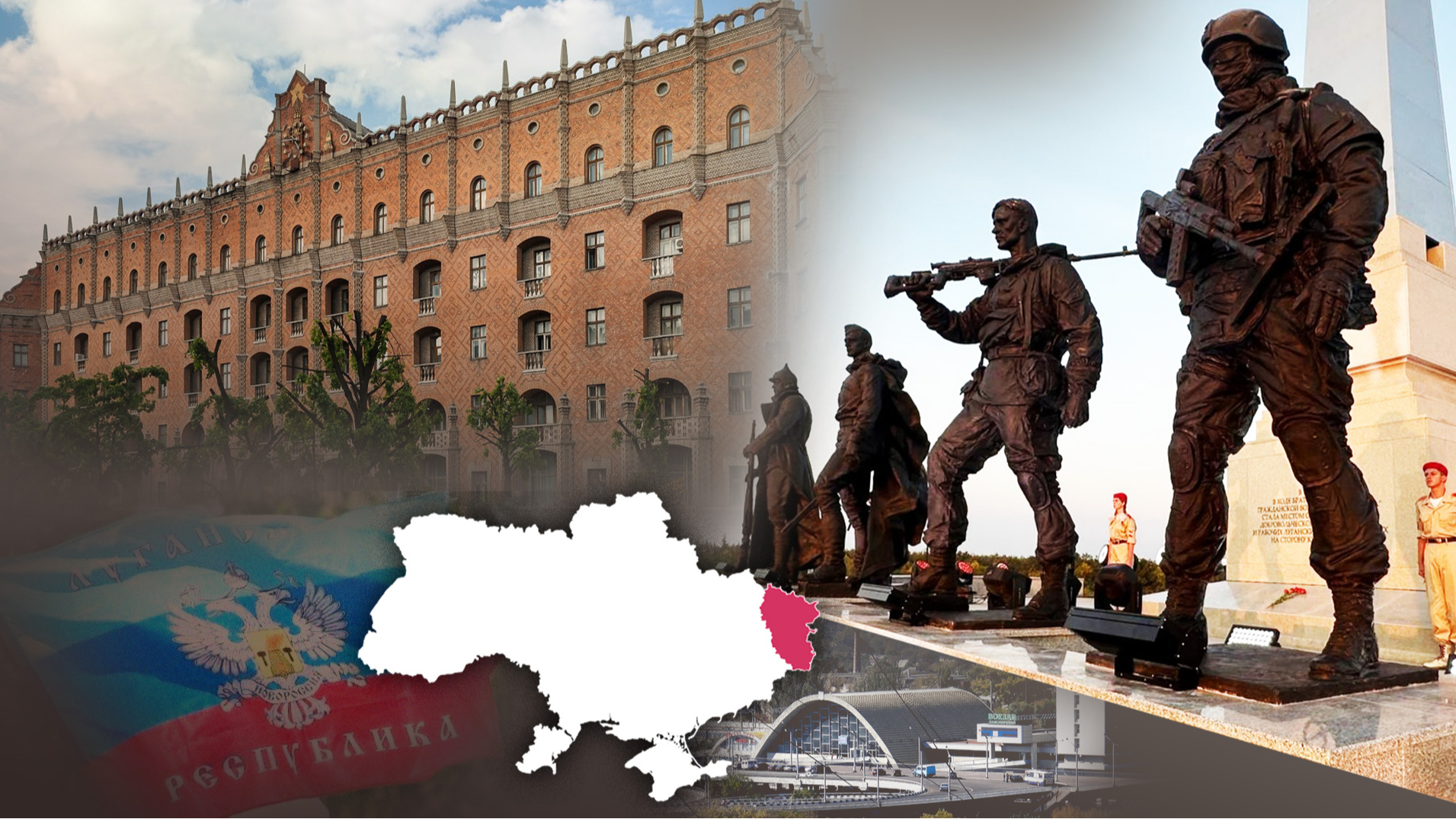
In a feature by the Ukrainian newspaper Ukrainska Pravda, journalists and editors say Luhansk, occupied by Russia since 2014, rarely draws the attention of Ukrainian society. Little changed after the full-scale invasion of 2022: when people speak of the "East" or Donbas, they usually mean Donetsk, not Luhansk.
Why Luhansk is rarely discussed
Andriy Dikhtyarenko, a Luhansk native and editor-in-chief of the online outlet Real Gazeta, believes the state has almost entirely dropped the occupation topic from view. In his opinion, the media must fill that void, otherwise Russia can convince people under occupation that Ukrainians have abandoned them. He notes that Crimea has the Crimea Platform, a political tool that keeps attention on the peninsula, while Luhansk has nothing comparable. Russia, he says, has built an information "dome" over the region and hunts down local correspondents who share information with Ukrainian media.
Pressure and population
According to a Real Gazeta study, media reported 45 cases of residents being persecuted in occupied Luhansk region before the full-scale invasion, and 131 after 24 February 2022, a rise of about 191%. The most common accusations are espionage (40%), treason (15%), and terrorism or sabotage (15%). Sometimes residents are accused of donating to the Ukrainian army.
The share of Russians in the so-called "LNR government" has grown from 12.5% in 2018 to 34.8%. Journalist Maryna Vorotyntseva says that, according to the occupation authorities, up to 2,500 children started first grade in Luhansk this year, compared with 3,500 in 2010. Before the war the city had more than 450,000 residents; she estimates it may now have 250,000–300,000. In her view, the city has become a base for the families of Russian soldiers, while the renaming of schools and streets serves as ideological indoctrination. She predicts that if the war goes on for another 5–6 years, a generation will grow up that does not know what Ukraine is.