How to avoid burn-in on your new TV: OLED risks and LCD alternatives
OLED displays deliver stunning picture quality but carry a risk of permanent image retention, known as burn-in. Simple habits like reducing brightness and avoiding static content can significantly lower the risk, while LCD remains a dependable alternative.
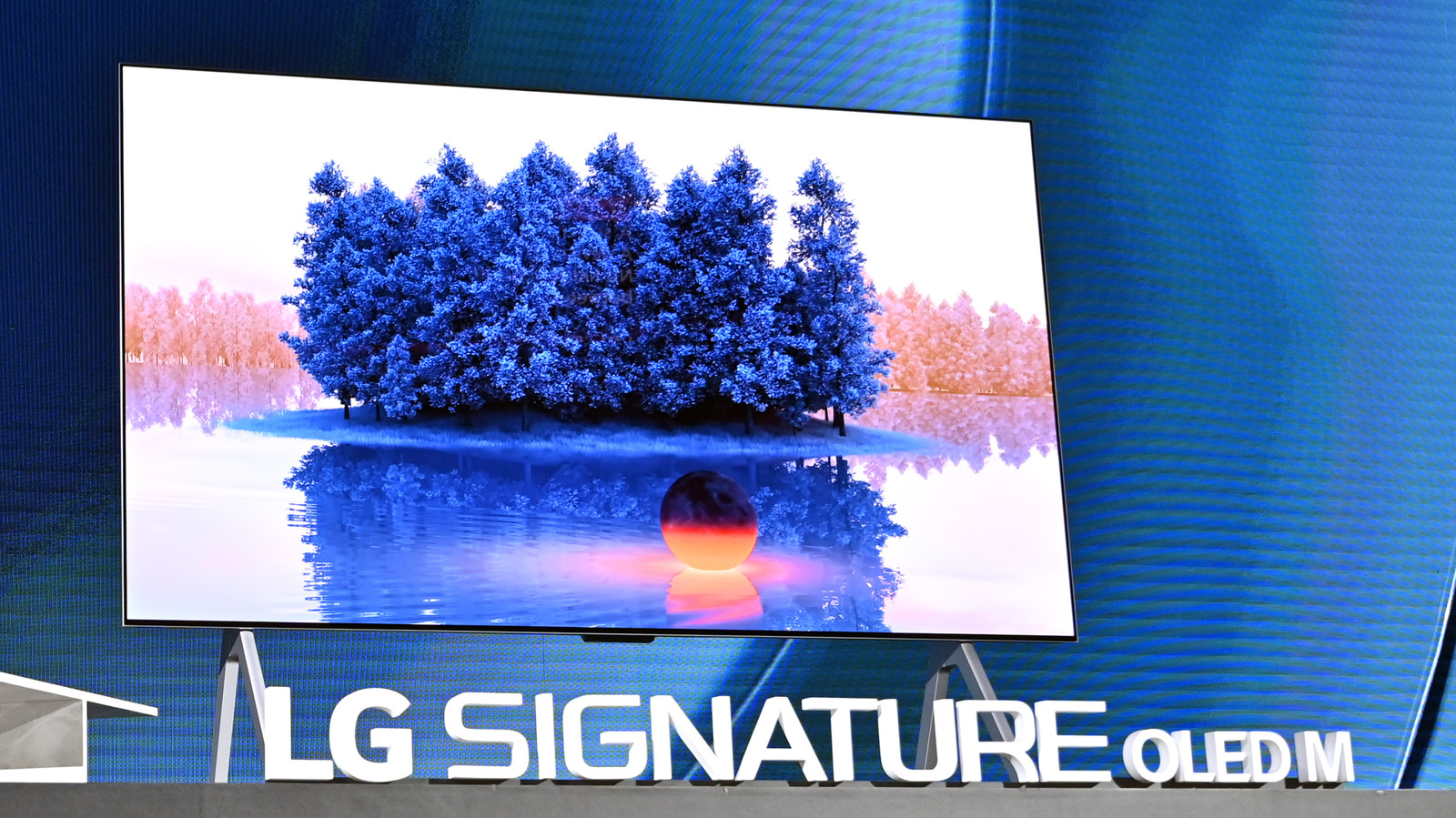
OLED TVs are widely praised for their excellent contrast, vivid colors, and deep blacks, but many potential buyers worry about the possibility of burn-in, also known as permanent image retention. While the term sounds alarming—especially if you are about to spend hundreds or thousands of dollars—burn-in is not something that appears immediately. In fact, it typically takes years to show up and often remains imperceptible. Even better, a few common-sense precautions can dramatically reduce the risk and extend the lifespan of an OLED panel.
What causes burn-in?
An OLED display is made up of millions of tiny organic light-emitting diodes. Unlike LCD screens that rely on a backlight, each OLED pixel generates its own light and can be dimmed or switched off independently. This enables perfect black levels and contrast, but it also means that individual pixels age at different rates. Over time, the sub-pixels (red, green, and blue) wear unevenly, causing some areas to become dimmer than others. When the brightness difference becomes visible, you see a persistent outline or ghost image of previously displayed content.
Static elements such as channel logos or game interfaces are the most likely triggers. Watching news or sports channels for hours every day, or playing the same game for hundreds of hours, can cause localized wear and accelerate burn-in.
How to minimize the risk
One of the biggest accelerators is brightness. High brightness levels put extra strain on the organic LEDs and generate heat, which makes the materials degrade faster. Therefore, lowering the brightness setting in your TV or monitor’s menu is a simple yet effective way to prolong pixel life. Modern OLED models also come with built-in mitigation features like pixel shifting, screen refreshing, and automatic dimming in bright scenes. If you watch varied content without static elements for just a few hours a day, anxiety about burn-in is largely unwarranted.
LCD as a worry-free option
For those who want to avoid burn-in entirely, a modern LCD TV is a great alternative. Since LCD panels do not use self-emissive pixels, they do not suffer from the same kind of uneven pixel degradation. They can experience temporary image retention, but this usually fades on its own once you switch to more varied content. High-end LCDs with Mini LED backlighting offer impressive black levels and brightness, though they cannot match OLED’s pixel-level precision. For bright rooms or users who prefer peace of mind, high-end LCD TVs are certainly worth considering.


