Oman presents Iran with Gulf-backed plan to ease Strait of Hormuz tensions
Oman has proposed a Gulf-backed plan to manage the Strait of Hormuz with voluntary fees, aiming to end trade disruptions from the US-Israeli war on Iran. Iran's demands for control and fees remain a sticking point, while Trump threatens more strikes.

Oman on Tuesday presented Iran with a plan backed by Gulf states to manage the Strait of Hormuz, including voluntary fees for its use, a Gulf source and a Western diplomat told Reuters. The proposal is intended to serve as a basis to end the disruption to trade caused by the US-Israeli war on Iran.
President Donald Trump, who abruptly called off a two-week US bombing campaign over the weekend, said there were "good talks" under way with Iran but threatened to restart strikes unless negotiations deliver. Iran denies seeking to resume talks with the United States.
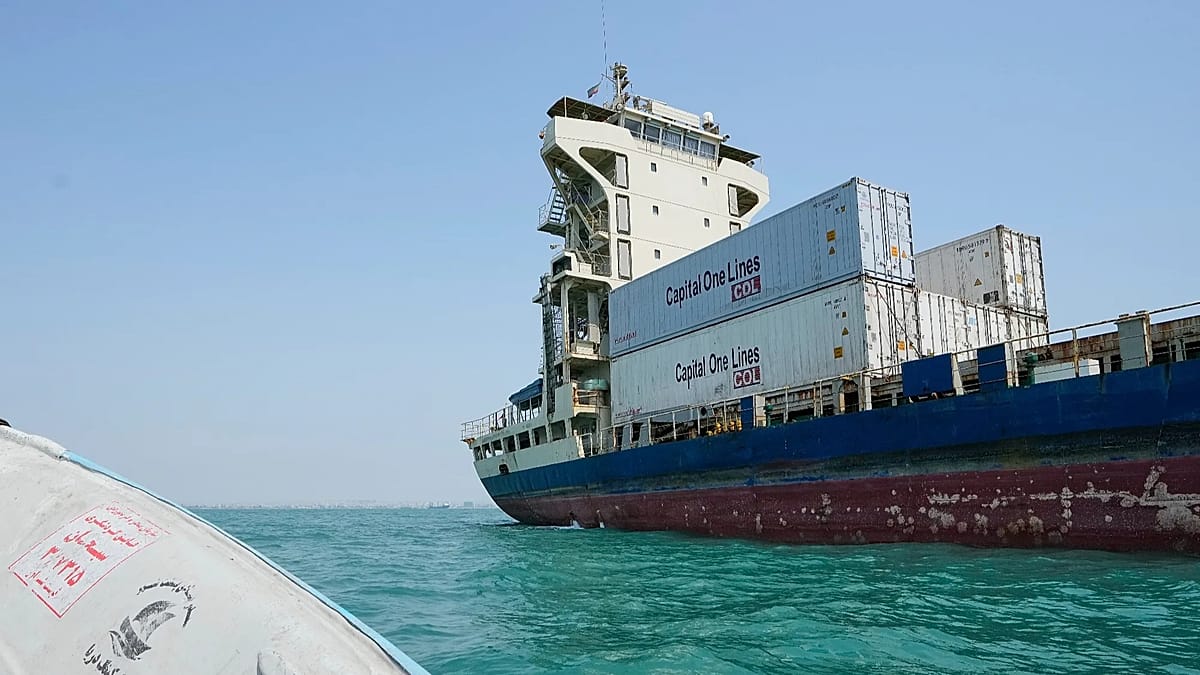
The US launched its renewed bombing campaign earlier this month to break Iran's grip on the strait, through which about a fifth of global oil and liquefied natural gas flowed before the war. Iran effectively shut the strait to ships other than its own after the US and Israel attacked on February 28.
A deal last month partially reopened it, but collapsed in early July after Iran fired on ships using a channel it does not approve. Iran wants to manage the strait alongside Oman and charge service fees. Washington wants a return to the pre-war status quo with free passage and says mandatory fees would be illegal.
Under the Omani proposal, Iran would not exercise sole control and fees would be voluntary, analogous to the system on the Strait of Malacca where contributions fund navigation, environmental protection and search-and-rescue operations.
Gulf Cooperation Council foreign ministers met via video call on Tuesday to discuss developments, including enhancing cooperation on vessel freedom and safety.
Iran's joint military command rejected Trump's plan for damages from frozen Iranian assets, threatening to deny passage to any country or company accepting such payments.
The Iran-aligned Houthis in Yemen declared a blockade of Saudi ports on the Red Sea on July 20 and on Tuesday said they had fired ballistic missiles at a Saudi oil tanker.
Trump called off his latest bombing campaign after military commanders advised the strategy had run its course. The 13 nights killed scores in Iran and destroyed infrastructure and military targets. Iran responded with attacks on US bases and Gulf state infrastructure.
Oil prices tumbled around 8% on Monday and continued falling on Tuesday, with Brent crude down about 1.6% to near $87 a barrel.