OPCW reinstates Syria's voting rights, citing 'significant change in circumstances'
The global chemical weapons watchdog has restored Syria's voting rights, acknowledging cooperation from the new government since the ouster of Bashar al-Assad.
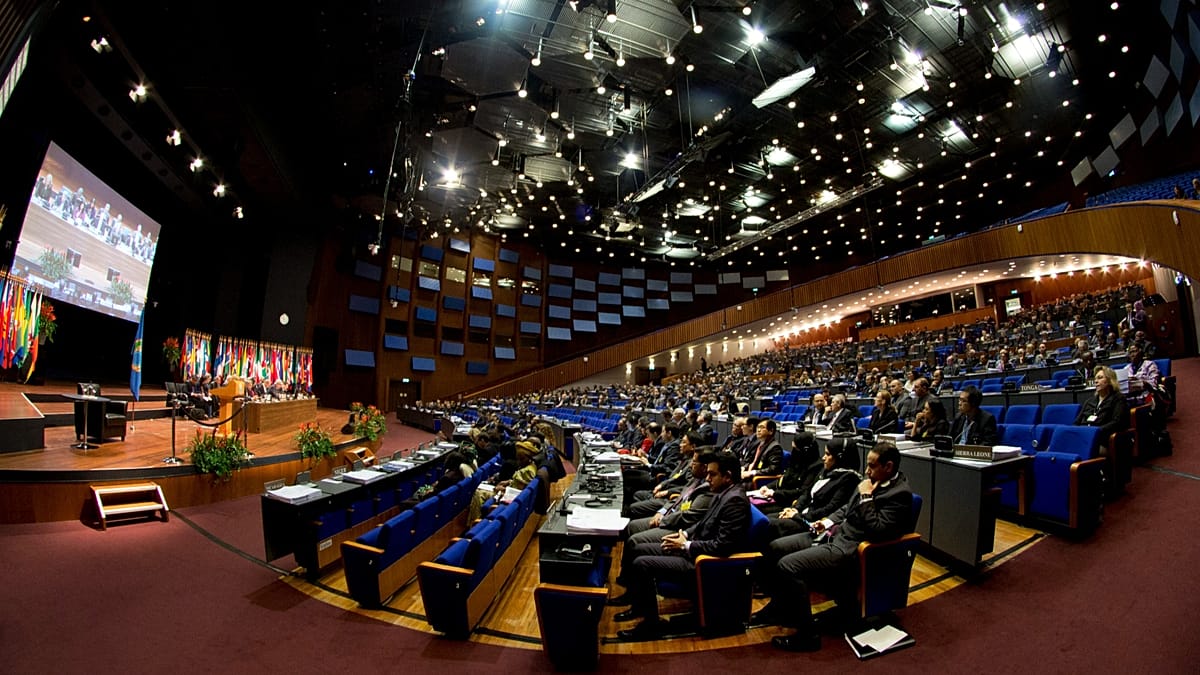
The Organisation for the Prohibition of Chemical Weapons (OPCW) reinstated Syria's voting rights on Thursday, citing a 'significant change in circumstances' since the fall of Bashar al-Assad and 'concrete steps' to dismantle his stockpile of banned substances. In 2021, the OPCW took the unprecedented step of stripping Syria of its voting rights after finding its air force had used sarin and chlorine gas on its own people. Since al-Assad's overthrow in 2024, the new authorities in Damascus have vowed to cooperate with the OPCW to destroy the chemical weapons the former president was repeatedly accused of using during Syria's 13-year civil war. The new Syrian government 'has committed to fulfilling Syria's obligation under the (Chemical Weapons) Convention and... since taken concrete steps to cooperate... to achieve this goal,' the OPCW said in a statement. The decision 'marks another milestone in the OPCW's efforts to achieve the complete and verified elimination of all remaining chemical weapons associated with the former Syrian government,' said Director-General Fernando Arias. Syria's foreign ministry on Thursday welcomed the decision, saying it 'reflects the international community's confidence in the transformation that Syria has undergone and in the efforts of its institutions to fulfill their commitments.' It stated Syria's 'commitment to continuing full and transparent cooperation' with the OPCW and thanked countries that supported the decision, particularly Qatar 'for its diplomatic efforts, which contributed to achieving consensus.' In 2013, Syria agreed to join the OPCW and disclose its toxic stockpile under Russian and US pressure, averting the threat of air strikes by Washington and its allies. This came after a suspected chemical attack on the Eastern Ghouta suburb of Damascus that killed more than 1,000 people, according to US intelligence, which attributed the attack to the Syrian government; the government denied involvement and blamed rebels. However, the al-Assad regime failed to declare its entire program and attempted to mislead inspectors. The post-Assad government has allowed OPCW inspectors to establish a permanent presence in the country to document suspected chemical weapons sites and interview witnesses to past attacks. Arias has visited Syria, and Syrian officials have addressed the OPCW at its headquarters in The Hague. The OPCW welcomed the 'tangible progress' made and urged Damascus to continue cooperating 'towards closing the chemical weapons dossier inherited from the former regime.'