OpenAI tightens limits on weapons-related answers for teens
AI company OpenAI will restrict practical information about weapons and security systems for teenagers using its ChatGPT chatbot. Stricter boundaries will also apply to all users asking about past mass attacks.
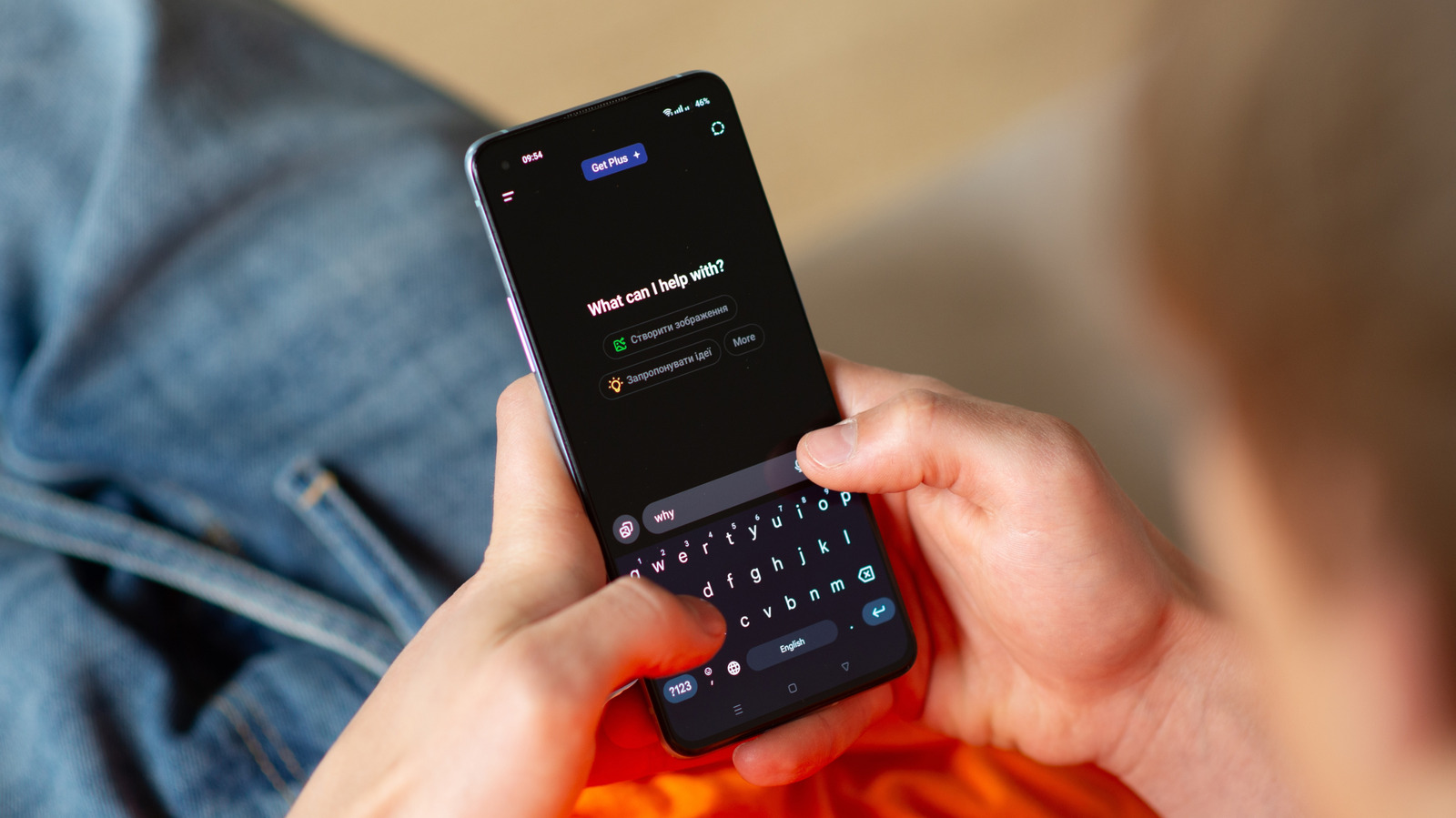
OpenAI, the US artificial intelligence company, has announced tighter limits on the weapons-related information that teenagers can obtain from its ChatGPT chatbot. The limits apply even when a question appears harmless. The company says the aim is to reduce the chance that such information is misused to facilitate violence.
What changes
OpenAI says it already has policies that stop ChatGPT from helping users carry out violent acts or helping teens obtain weapons. Under the new approach, teen accounts will have practical information about weapons and security systems restricted when it could be misused, even if there is no sign of violent intent.
Teens will still be able to use ChatGPT to prevent or de-escalate violence, seek support and connect with a trusted adult.
Policy boundaries are also being strengthened for all users. This applies in particular to requests for reconstructions of past mass attacks, including details of the weapons and equipment used and how they were obtained, as well as detailed comparisons of the scale of harm that could amplify an attacker's notoriety.
Background
The new restrictions will operate alongside the parental controls OpenAI introduced last year. These send parents a notification if a linked teen account violates ChatGPT policies on violent threats or acts of violence.
The additional safeguards follow a wrongful death lawsuit filed against OpenAI last year, and a public apology from CEO Sam Altman for not alerting police to alarming chat logs connected to the Tumbler Ridge shooting earlier this year.
OpenAI also said it will publish its first Community Safety Report in early 2027, with updates to follow every six months.