Orkla Latvija Explains Why “Selga” Biscuits Can Burn
After a TikTok video showing a “Selga” biscuit burning, manufacturer Orkla Latvija says that flammability does not prove a high content of additives. The company attributes it to the biscuit's composition and dryness.
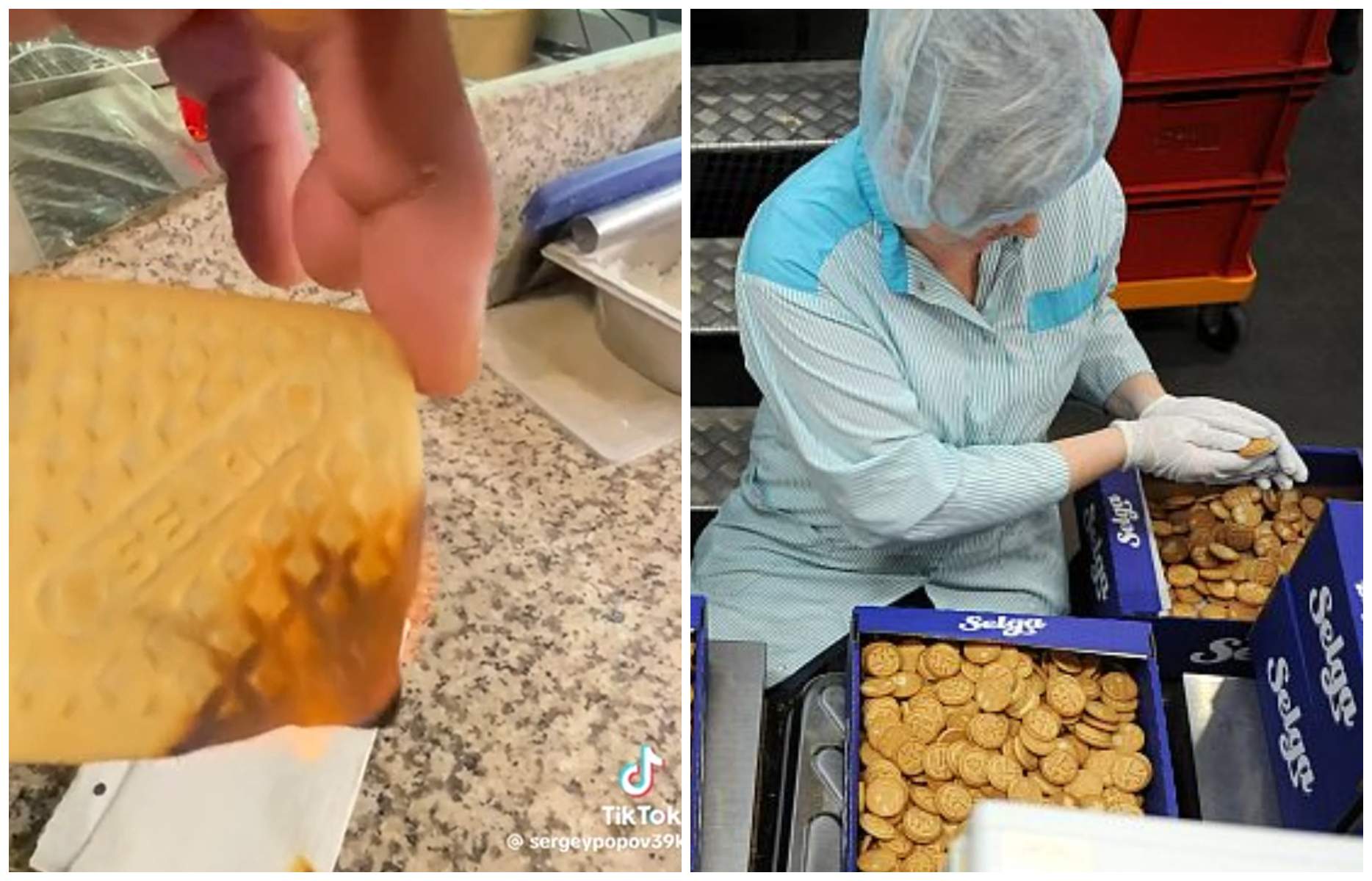
A video posted on the social network TikTok by a man shows a “Selga” biscuit, a popular Latvian brand, catching fire. Public discussion about unhealthy food additives has been growing lately, so the news portal LA.LV asked the biscuit's manufacturer, Orkla Latvija, whether the burning points to the presence of chemicals.
Laura Bagātā, head of communications and sustainability at SIA Orkla Latvija, stresses that “Selga” products fully meet food safety requirements. She says the biscuit consists mainly of carbohydrates, meaning flour and sugar, along with fats. These are organic compounds that can burn under certain conditions.
What affects burning
According to the company, burning is influenced most by low moisture content and by the presence of fats and carbohydrates. The drier the product, the more easily it can keep burning once ignited. Porosity and structure also matter, as they allow oxygen to reach the flame. A crunchier biscuit is therefore more likely to burn after sufficiently intense external ignition.
The manufacturer says this property is not unique to one product but is typical of many dry foods that contain flour, sugar and fat.
Additives and quality
Bagātā emphasises that burning cannot be used to draw conclusions about the amount of additives or the safety of a product. The view that flammability indicates a large amount of “chemistry” is unfounded, she says, since the observed effect can be explained by the properties and physical structure of the main ingredients.
The company states that product quality is monitored regularly and that the products are made in line with European Union and Latvian food safety requirements. “Selga” biscuits contain no palm oil, and production mainly relies on raw materials from local producers, such as flour.