Osteoporosis drug prevented spinal damage in zebrafish study
Scientists at the Universities of Edinburgh and Bristol found in zebrafish experiments that bisphosphonates, a class of osteoporosis drugs, prevented abnormal mineral buildup in the spine. The results have not yet been confirmed in humans, but they could help in the search for treatments for chronic back pain.
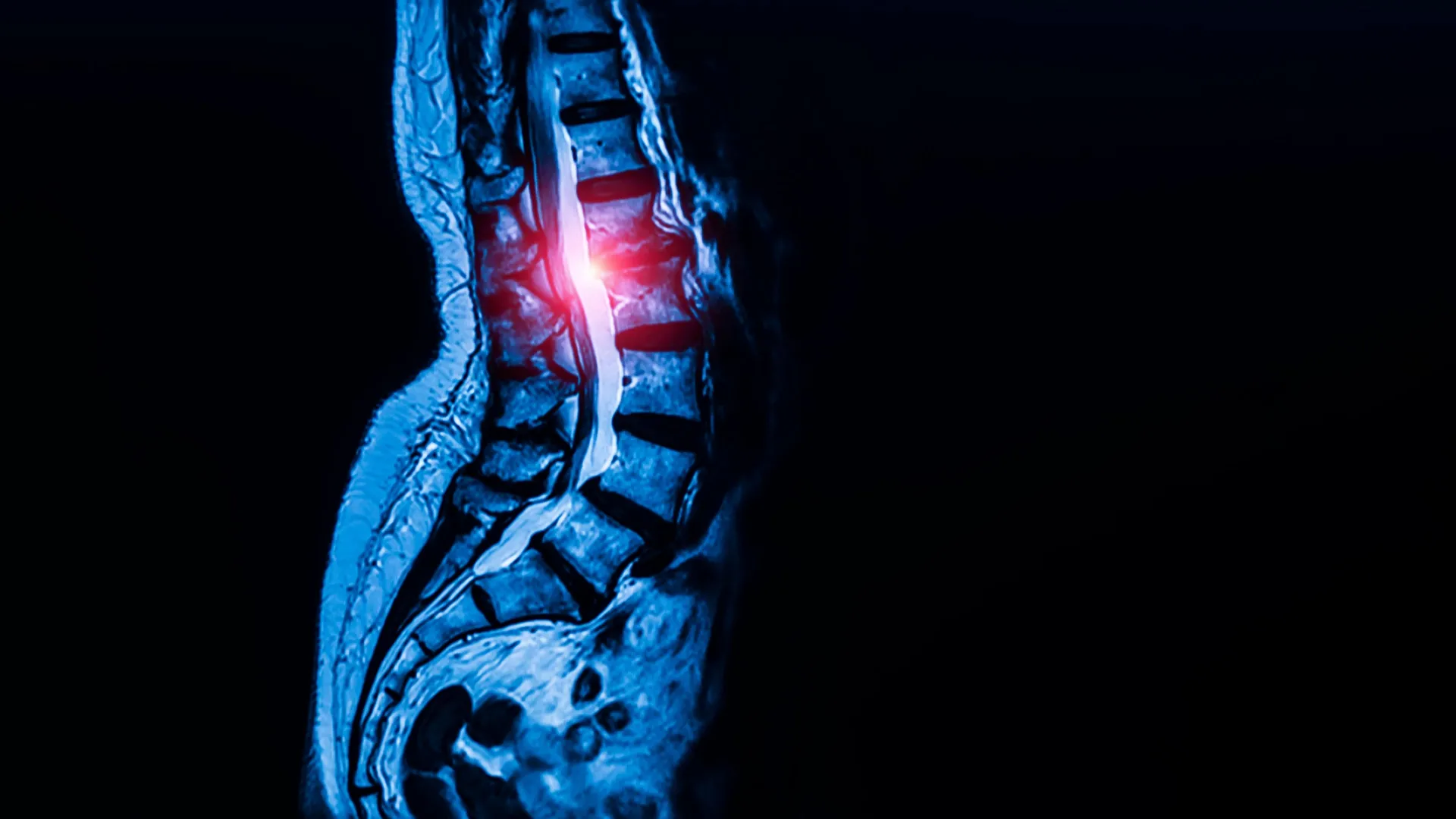
Researchers at the Universities of Edinburgh and Bristol in the United Kingdom have found that an existing osteoporosis medication can stop spinal tissues from hardening in zebrafish. The work could inform new treatments for chronic neck and back pain, although the results have not yet been confirmed in humans.
One common cause of back pain is degeneration of the intervertebral discs. These discs sit between the vertebrae and help the spine absorb pressure and stay mobile. Over time they lose their cushioning ability, leading to pain, stiffness and reduced movement. No drugs can currently stop or reverse this process, and surgery is the only established long-term option for some severe cases.
A missing gene and a hardening spine
The team used fish bred without a functioning copy of a gene linked to collagen IX. This protein helps maintain the structural integrity of the discs, and variations in the gene have been tied to disc problems earlier in life. As the fish aged, abnormal minerals built up in the tissue between their vertebrae, and neighbouring vertebrae fused together. The damage began before the minerals appeared, when a layer that supports the spine's structure started to break down.
Analysis of gene activity showed changes in fat metabolism, in the mTOR cell signalling system, in phosphate regulation and in vitamin A signalling.
The drug and other approaches
Bisphosphonates, which are used to treat osteoporosis, successfully blocked the mineral buildup in the fish. Fewer spinal fusions also occurred when the fish were given less food or medications that suppress fat metabolism. The researchers stress that the dietary result does not show that restricting food would protect people.
The study, published in the journal Communications Biology, was led by Dr. Erika Kague of the University of Edinburgh's Institute of Genetics and Cancer. It was supported by Arthritis UK and BBSRC. More research is needed to determine whether the same mechanisms operate in humans. Arthritis UK says 9.5 million people in the UK live with back pain.