Second UK health body drops Israeli drug maker Teva after campaigner pressure
The Royal College of Pharmacy, the professional body for UK pharmacists, has ended Teva UK's sponsorship of its annual conference after pressure from pro-Palestine campaigners. A week earlier the Royal College of Nursing took a similar step.
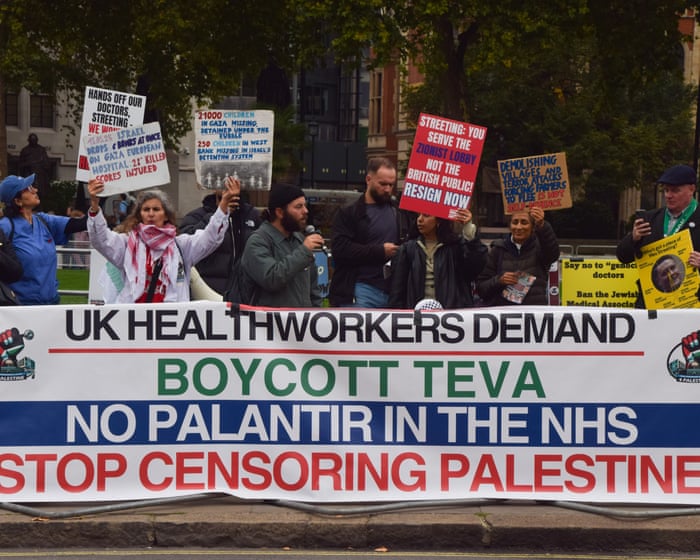
The Royal College of Pharmacy, the professional body for Britain's 34,000 pharmacists, has dropped Teva UK, the British arm of Israeli-founded medicines producer Teva Pharmaceuticals, as sponsor and exhibitor at its annual conference next month. The decision follows a campaign by pro-Palestine activists and is the second such move by a major UK health body within a week.
Teva UK had been due to exhibit at four college events under a £15,000 agreement.
The college's explanation
A spokesperson said a further due diligence review had pointed to the possibility that certain Teva Pharmaceuticals activities do not align with the college's values. The activities were not specified. The decision was taken by the executive team after the college became a charity in April and reviewed its policies.
Earlier decision and the campaign
Last week the Royal College of Nursing, which represents 500,000 UK nurses, ended its ties with Teva, dropping it as a sponsor of the organisation and of an event on headache and migraine.
An open letter circulated by campaigners including UK Healthcare Petitions to Royal Colleges, and signed by individual pharmacists and other health professionals, urged the pharmacy college to apply the same ethical scrutiny to Israel-related investments and partnerships as its predecessor, the Royal Pharmaceutical Society, did after Russia's 2022 invasion of Ukraine, when it stopped investing in funds involving Russian firms.
The campaigners are now urging other royal colleges, which represent groups such as GPs, psychiatrists and hospital doctors, to cut ties with Teva.
Teva's response and background
Teva, which mainly produces generic medicines, said it was disappointed and that healthcare should not become politicised. It said it makes no donations to political parties, political organisations or military entities.
In 2024 the European Commission fined Teva €462.6m for blocking competitors to its multiple sclerosis drug Copaxone in seven European countries. In 2023 the company agreed to pay $225m in fines imposed by the US Department of Justice over price-fixing charges involving three drugs, and in 2016 it agreed to pay $519m to settle charges over bribery of officials in Russia, Ukraine and Mexico.