Pabriks: Merging LMT and Tet with the same strategic investor would keep the old problem
Artis Pabriks, executive director of the MilTech military technology association and a former defence minister, opposes merging LMT and Tet while leaving the current strategic investor in place. He argues this would preserve the obstacles that put an ownership change on the agenda in the first place.
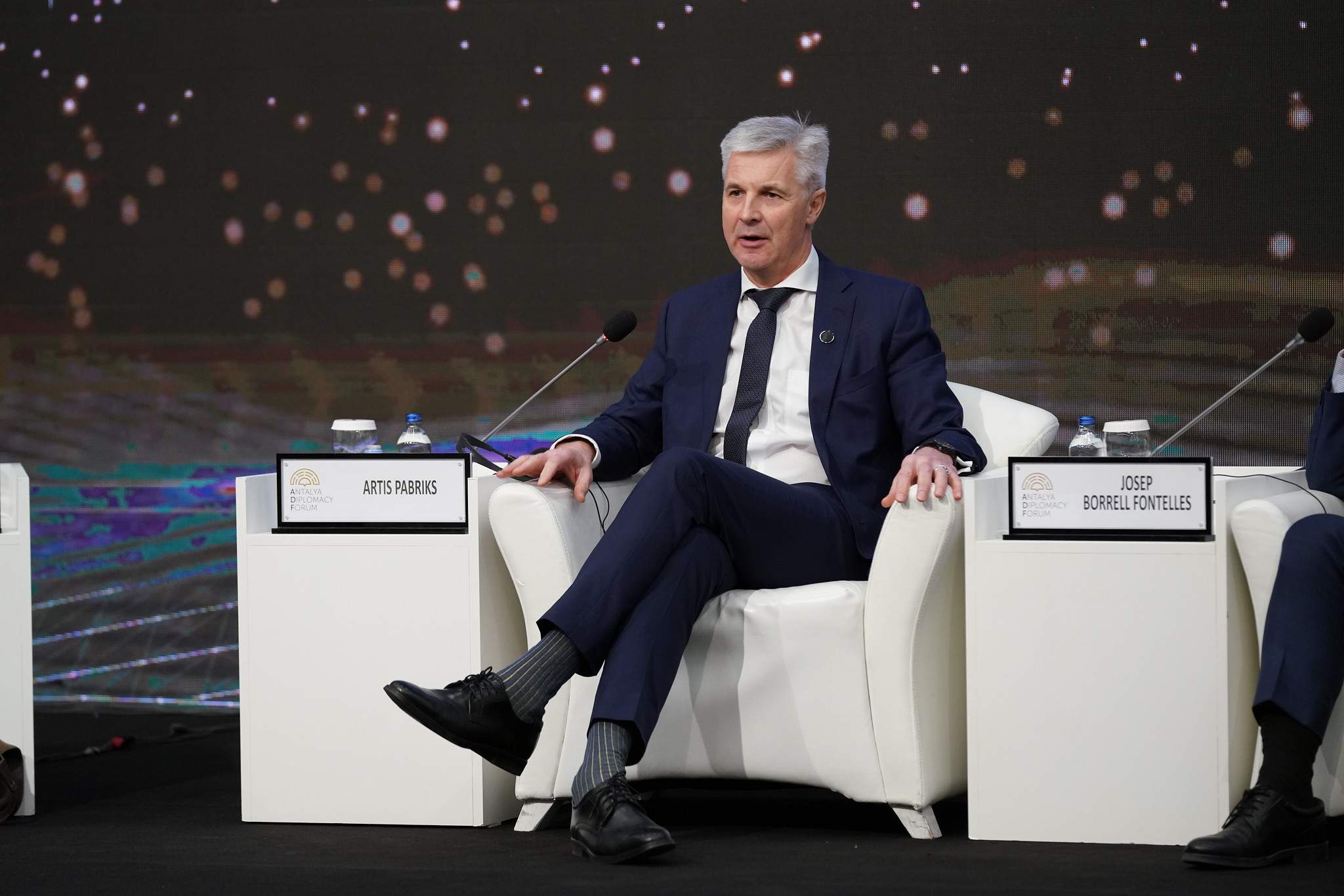
Artis Pabriks, executive director of the military technology, drone and robotics association MilTech and a former Latvian defence and foreign minister, has criticised the idea of merging the telecommunications companies LMT and Tet while leaving the current strategic investor in place. In an opinion piece published by Latvijas Avīze on 27 November, he calls the approach a significant mistake. The idea has recently surfaced in the debate over the future of the two companies.
Diverging interests
Pabriks recalls why a change in LMT's ownership structure became an issue at all. Drawing on his time as defence minister, he says he met clear resistance from the Swedish shareholder, Telia, when Latvia wanted LMT to take part in projects linked to national security and the defence industry. He adds that other Latvian politicians and senior officials have also spoken publicly about cases in which shareholders' positions held back important technology and defence projects.
He stresses that this does not make Telia a bad company or Sweden a bad partner. The board of an international private company must look after its own interests and shareholder returns, while Latvia must look after its security, technological development and export interests, and these will not always coincide.
Telecoms and defence
Pabriks notes that communication networks, 5G, data transmission and IT infrastructure are becoming part of the defence system, without which modern unmanned systems, autonomous solutions and secure military communications are not possible. He says MilTech has grown in two years from six founders into an ecosystem of more than 70 companies, covering most of Latvia's drone makers.
The central question
In his view, the key issue is not the technical merger but the new company's strategic direction: whether it limits itself to telecommunications in Latvia, or develops new areas, including security, and moves into exports. He asks what the deal will have solved if decisive influence again remains with the same investor.