Pakistan vs. Afghanistan: Allies turned adversaries in escalating border conflict
A Pakistani strike on Afghan territory this week has deepened a conflict that re-erupted in September, with the Taliban reporting up to ten civilian deaths and Pakistan claiming it killed 22 militants. The dispute, rooted in decades-old border and ethnic tensions, is increasingly turning into direct state-on-state confrontation.
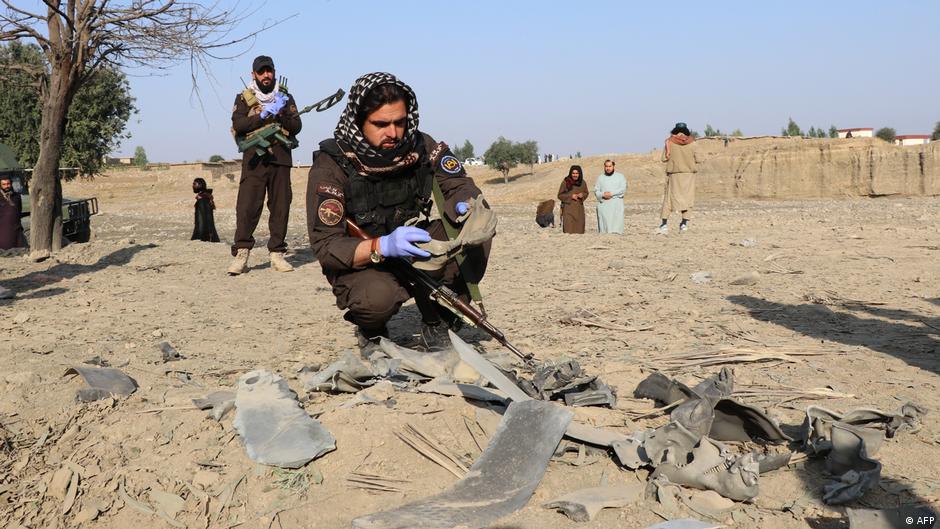
On Thursday night, Pakistan struck targets inside Afghanistan, with the outcome disputed by both sides. The Taliban-led Afghan government says nine to ten civilians, including women and children, were killed, while Pakistan insists the strike eliminated 22 militants and destroyed weapons and ammunition stockpiles.
The strike is the latest flashpoint in hostilities that resumed in mid-September after months of relative calm. The renewed violence followed a string of attacks on Pakistani security forces, most notably a September 18 assault on a police compound in Kohat, near the Afghan border, which killed 31 people and injured more than 100. A splinter faction of the Pakistani Taliban (TTP) claimed responsibility.
A tangled relationship between TTP and the Taliban
The TTP is a distinct organization from Afghanistan's ruling Taliban, though the two share deep ideological and personal ties — many TTP fighters once fought alongside the Taliban against international forces. Since the Taliban retook power in 2021, the TTP has gained greater freedom to operate, turning Afghanistan from a former ally into a growing security threat for Pakistan. Analysts note that personal networks make it extremely difficult for the Afghan Taliban to sever ties with the TTP, even though this does not mean Kabul controls the group's actions.
Borders, identity and economic leverage
Underlying the conflict is the long-disputed Durand Line, drawn in 1893, which splits the Pashtun homeland between the two countries and fuels ethnic and nationalist grievances beyond simple territorial disagreement. Pakistan retains significant leverage over landlocked Afghanistan, which depends heavily on Pakistani trade routes — allowing Islamabad to apply pressure through border closures, trade restrictions and the repatriation of Afghan refugees.
Tensions escalated further in late September when Kabul reported killing 28 and capturing 32 fighters who had infiltrated from Pakistan's Nuristan province, with the Taliban accusing Pakistan of backing armed opposition groups — a claim Pakistan denies. Observers describe the situation as a significant escalation compared to past border skirmishes, with both sides now accusing each other of sponsoring militants on the other's soil. Experts argue that a return to negotiations, potentially with international mediation, could still contain the spiraling violence and protect civilians on both sides of the border.