Kamil Khan Mumtaz: a Pakistani architect admired at home but little known abroad
Works in Progress has published a portfolio on Lahore architect Kamil Khan Mumtaz, born in 1939, who has revived Pakistan's traditional architecture since the 1980s. Most of the photographs had not been seen outside Pakistan before.
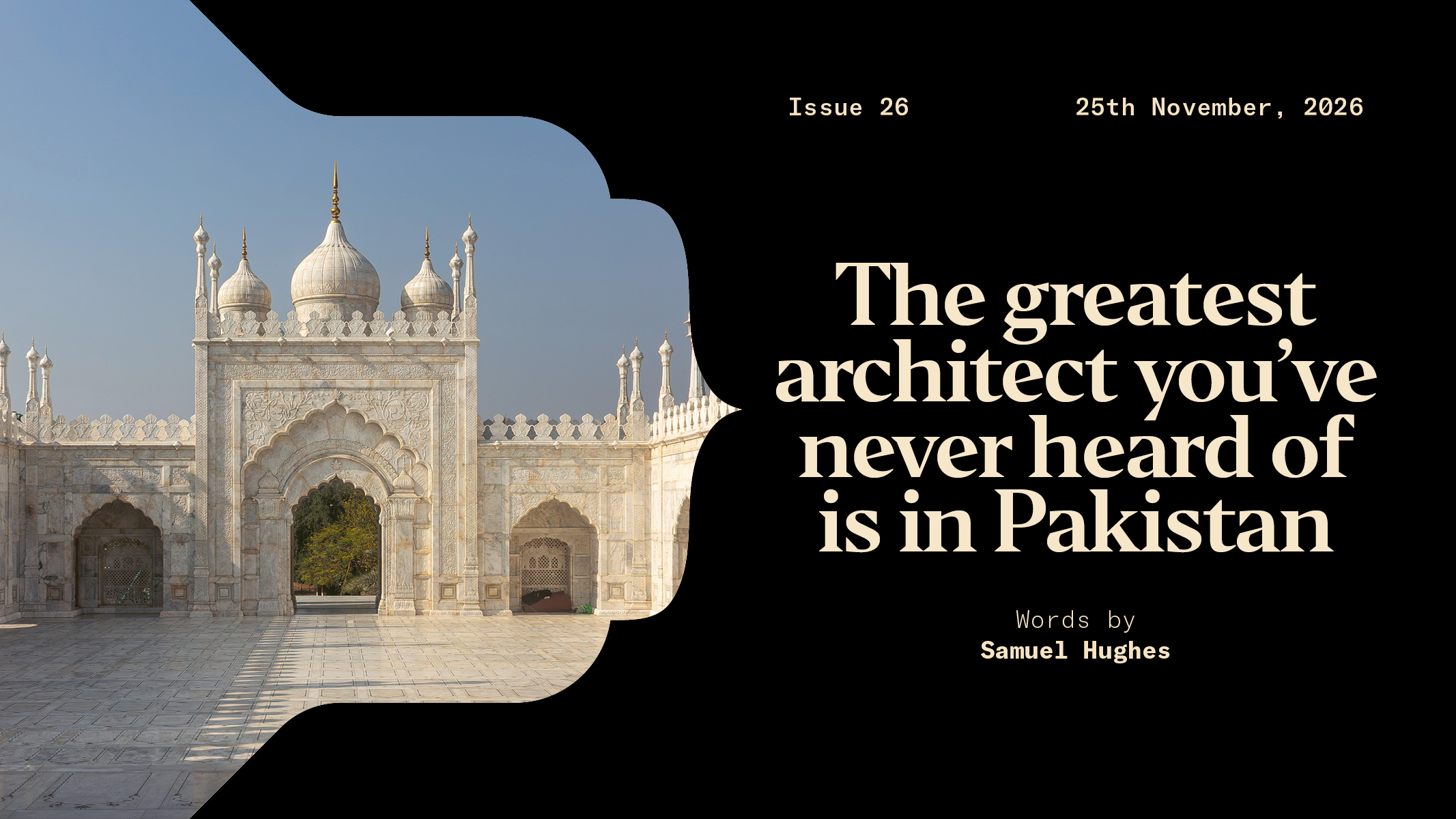
Works in Progress, a magazine that publishes essays on technology, economics and building, has released a portfolio of projects by Pakistani architect Kamil Khan Mumtaz. Most of the photographs had not previously been seen outside Pakistan. Mumtaz is widely admired in his home country, yet his name is little known internationally. The author suggests this may be because global architecture magazines rarely organise photoshoots in Lahore.
From modernism to tradition
Mumtaz was born in Calcutta in 1939, grew up in what became Pakistan and attended Lahore's elite Aitchison College. He then studied at the Architectural Association in London, where he absorbed the standard modernist approach without question. He returned to Pakistan in 1966 and began practising. Around the same time he became a communist activist and was imprisoned twice by the military dictatorship.
In the late 1970s he prepared a report on Lahore's historic core, the Walled City, stressing its heritage value and urging its preservation. In his account, officials wanted to demolish it and build new infrastructure and high-rise buildings. The Walled City was saved, and part of it is now a UNESCO World Heritage Site.
He later began to doubt his own approach. At the workers' houses in Kot Karamat, an early project, he used arched roofs that are alien to rural Pakistani housing; residents wanted flat roofs where they could sleep on summer nights. In 1980, a book on the Sufi tradition in Persian architecture by Iranian architect Nader Ardalan changed his views.
Reviving craft knowledge
Since then Mumtaz has worked to revive Pakistan's older architectural traditions, especially those of Lahore. He has built homes, offices, mosques and schools, including the Oxford University Press offices in Karachi. Because Pakistan industrialised later, craft traditions had not entirely disappeared. He worked with descendants of hereditary craftsmen and together they rediscovered lost techniques, such as certain types of brickwork and the flat dome.
Now in his mid-eighties, Mumtaz continues to build.