Panama Declares State of Emergency After Two Powerful Earthquakes
Two strong earthquakes, of magnitude 7.7 and 6.6, struck Panama on Friday, 9 October, damaging buildings in all of the country's provinces. The government declared a state of emergency and set aside up to $100 million for aid and reconstruction.

Two powerful earthquakes struck the Central American country of Panama on Friday, 9 October, causing widespread damage across the nation. The government has declared a state of emergency to speed up relief efforts and the response to the damage. At least 27 people were injured, but no deaths have been confirmed so far.
How the quakes unfolded
The first earthquake, with a magnitude of 7.7, hit the southern part of the country, near the settlement of Pitalosa Arriba. About two and a half hours later, a second tremor of magnitude 6.6 followed. More than 100 aftershocks have been recorded since.
The shaking was also felt in the capital, Panama City, roughly 200 kilometres away, where people hurriedly left high-rise buildings and gathered in the streets. A tsunami warning was issued after the first quake but was later cancelled. Operations at Tocumen airport were suspended for a time.
Damage and the government response
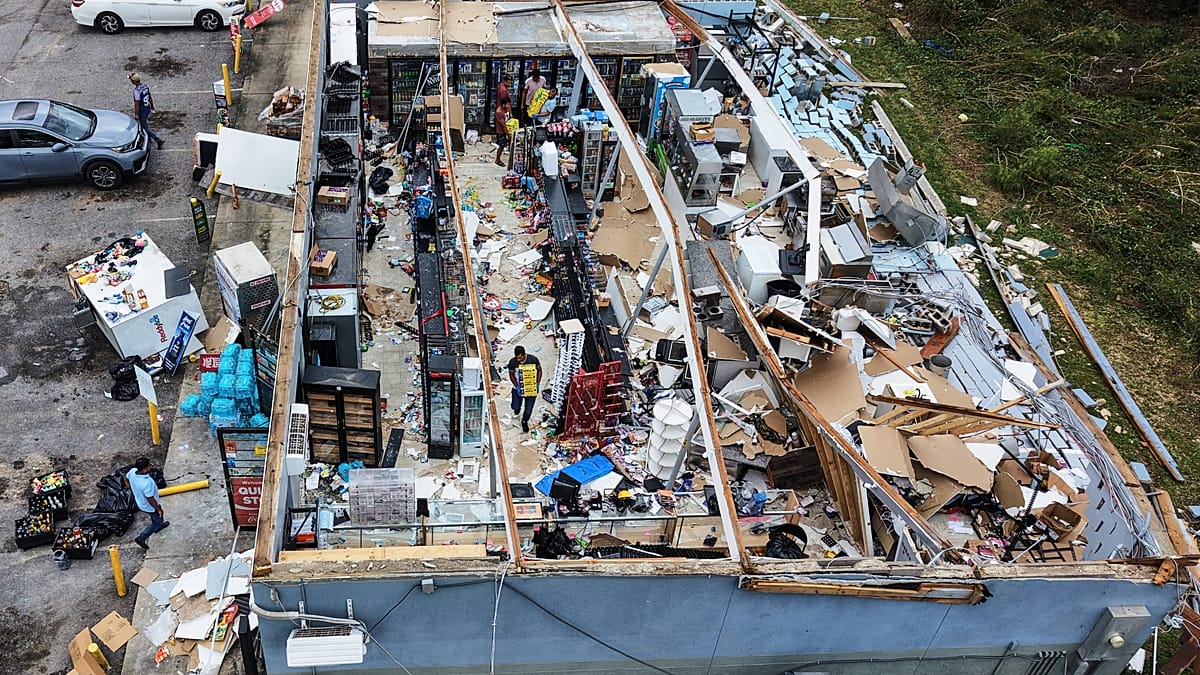
Damage has been recorded in all ten of Panama's provinces and in two Indigenous territories. According to authorities, about 420 homes and as many schools were damaged, along with several churches, hotels and bridges. In some places buildings collapsed and deep cracks opened in roads, while the historic Sanatanasio church in Los Santos province was destroyed.
The government has earmarked up to $100 million for relief, infrastructure repair and other work. Inspections of the structural condition of buildings and roads continue in the hardest-hit areas.
A seismically active region
Panama lies within the Pacific Ring of Fire, a region where several tectonic plates meet, so earthquakes are relatively common. Even so, tremors this strong can cause serious damage even where buildings were constructed to strict seismic safety standards.