El Niño drought in Papua New Guinea affects up to 8 million people
A severe drought linked to the El Niño climate pattern is affecting as many as 8 million people in Papua New Guinea, causing shortages of food, water and electricity. An influential coalition has called it a national crisis.
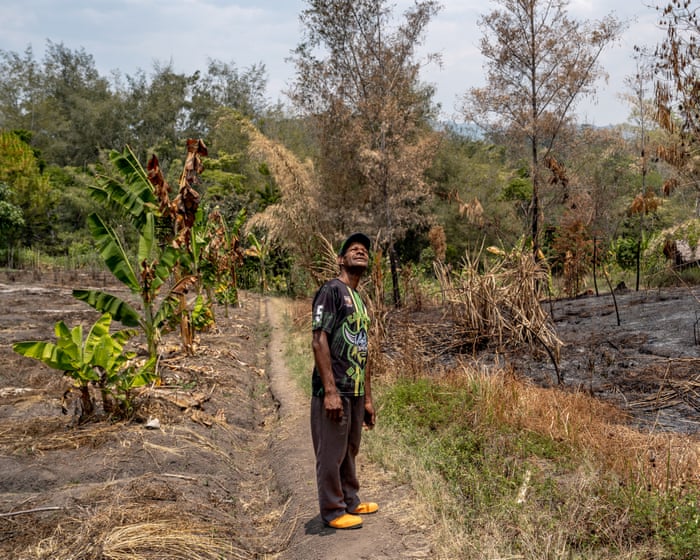
Papua New Guinea, a Pacific island nation, is facing a widespread drought driven by the El Niño climate pattern that is affecting as many as 8 million people. It has caused food and water shortages, planned power cuts and disrupted schooling. A coalition of churches, trade unions and business groups has described the situation as a “national crisis” and said there is no coordinated plan to protect vulnerable communities.
Rivers dry, gardens lost
Residents and community leaders say rivers and creeks have dried up and family food gardens, a vital source of food and income for many, have withered. Schools and health facilities are closing early because they lack enough water for basic services. In the Bulolo district of Morobe province, resident Theophil Zarack said many schools and health centres operate for only half a day, and some clinics no longer admit inpatients.
Emilly Meren, humanitarian projects manager at the aid organisation CARE International in PNG, said families in rural highland areas were limiting themselves to one meal a day, while food insecurity was fuelling local disputes between families. Women and girls travel three to four hours to find water and food and face a heightened risk of harassment, she said.
Forecasts and government response
Kasis Inape, assistant director of the PNG National Weather Service, said El Niño had shifted warm tropical waters eastward, leaving the country short of rain. Some areas have received less than a quarter of their usual rainfall since August. The wet season runs from November to April, but there are concerns El Niño could shorten it.
In the capital, Port Moresby, the utility PNG Power has begun planned blackouts after falling dam levels cut hydropower generation. Disruptions could last up to 10 months. Prime minister James Marape has told provincial and district authorities to prepare for a prolonged dry season, and said the government is examining financial arrangements to support disaster responses.


