Clocks go back on 25 October 2026, four days earlier than in 2023
In Latvia and across the European Union, clocks will be turned back in the night before Sunday, 25 October. The rules are unchanged; the date differs only because of the calendar.
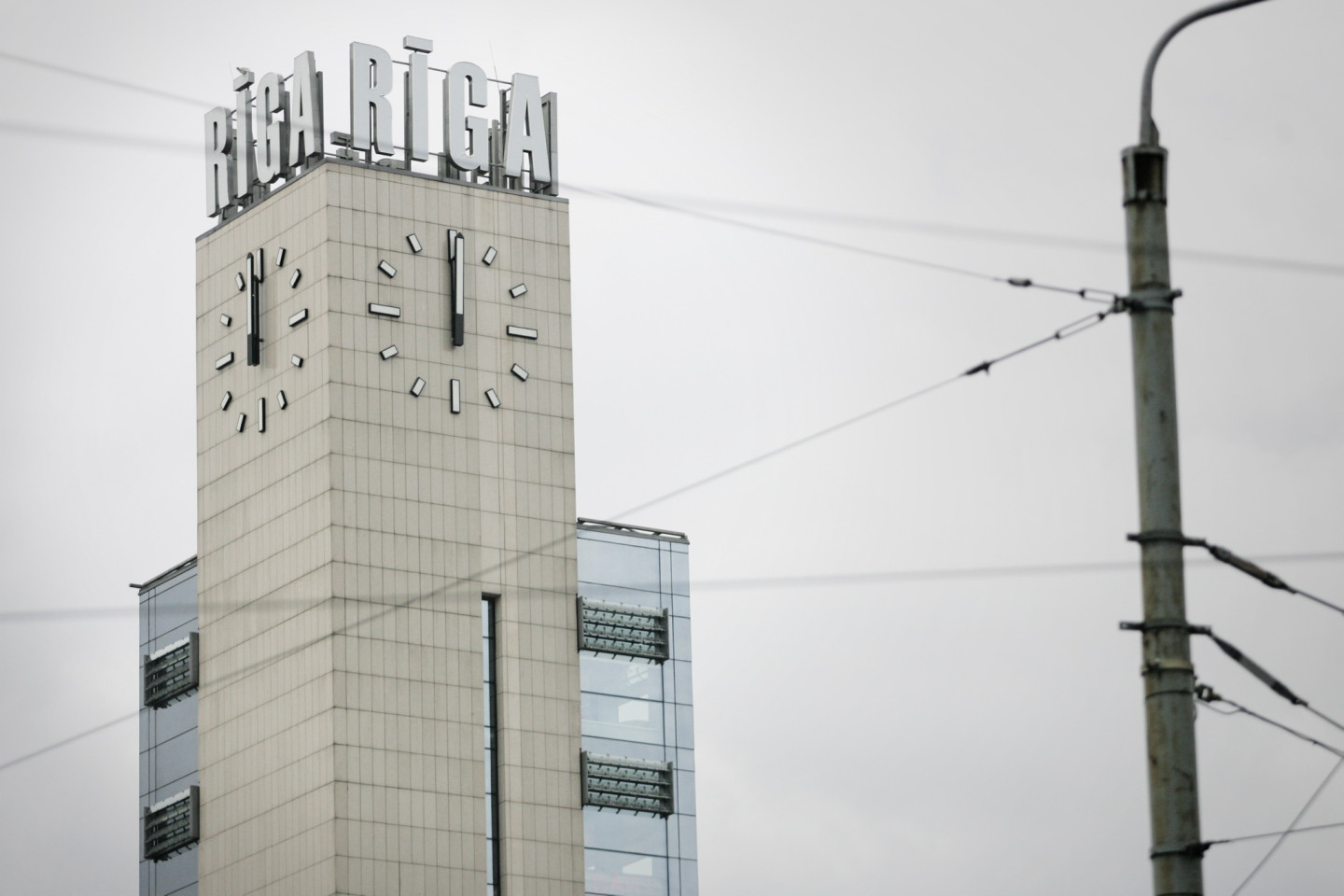
In the European Union, including Latvia, daylight saving time will end in the night from Saturday, 24 October, to Sunday, 25 October 2026. At 3:00 the clocks will be set back to 2:00. The date is highlighted by the Lithuanian portal tv3.lt, which notes that it falls earlier than in previous years. People will gain an extra hour of sleep, but evenings will get dark earlier.
Why the date is earlier
The rules have not changed: summer time ends on the last Sunday of October. That Sunday falls on a different date each year. In 2023 it was 29 October, in 2024 it was 27 October, in 2025 it was 26 October, and in 2026 it is 25 October. The difference is purely a matter of the calendar.
What it means for devices
The time change affects more than wall clocks. Many electronic devices, such as smartphones, computers and modern watches, update the time automatically. Older devices have to be adjusted by hand. The switch takes place over a weekend to disrupt daily routines as little as possible.
Will the change be abolished?
Discussions about ending mandatory clock changes in the EU have gone on for years. In 2018 the European Commission, the EU's executive body, held a public consultation in which most participants backed ending the practice. However, member states could not agree on a common position, so the current system remains and no decision to end the changes has been made.
After the autumn change, the next one is due in the night of 27–28 March 2027. Clocks will then move forward from 2:00 to 3:00, returning to summer time.


