Life Under Constant Air Raids: How Odesa and Zaporizhzhia Have Adapted to the Jet-Powered Drone War
Since September 2026, when Russia began using jet-powered Shahed-type drones on a large scale, air-raid warnings in Ukraine's big cities have been almost non-stop. Ukrainska Pravda and local outlets have compared how residents, businesses and authorities in Odesa and Zaporizhzhia are coping.
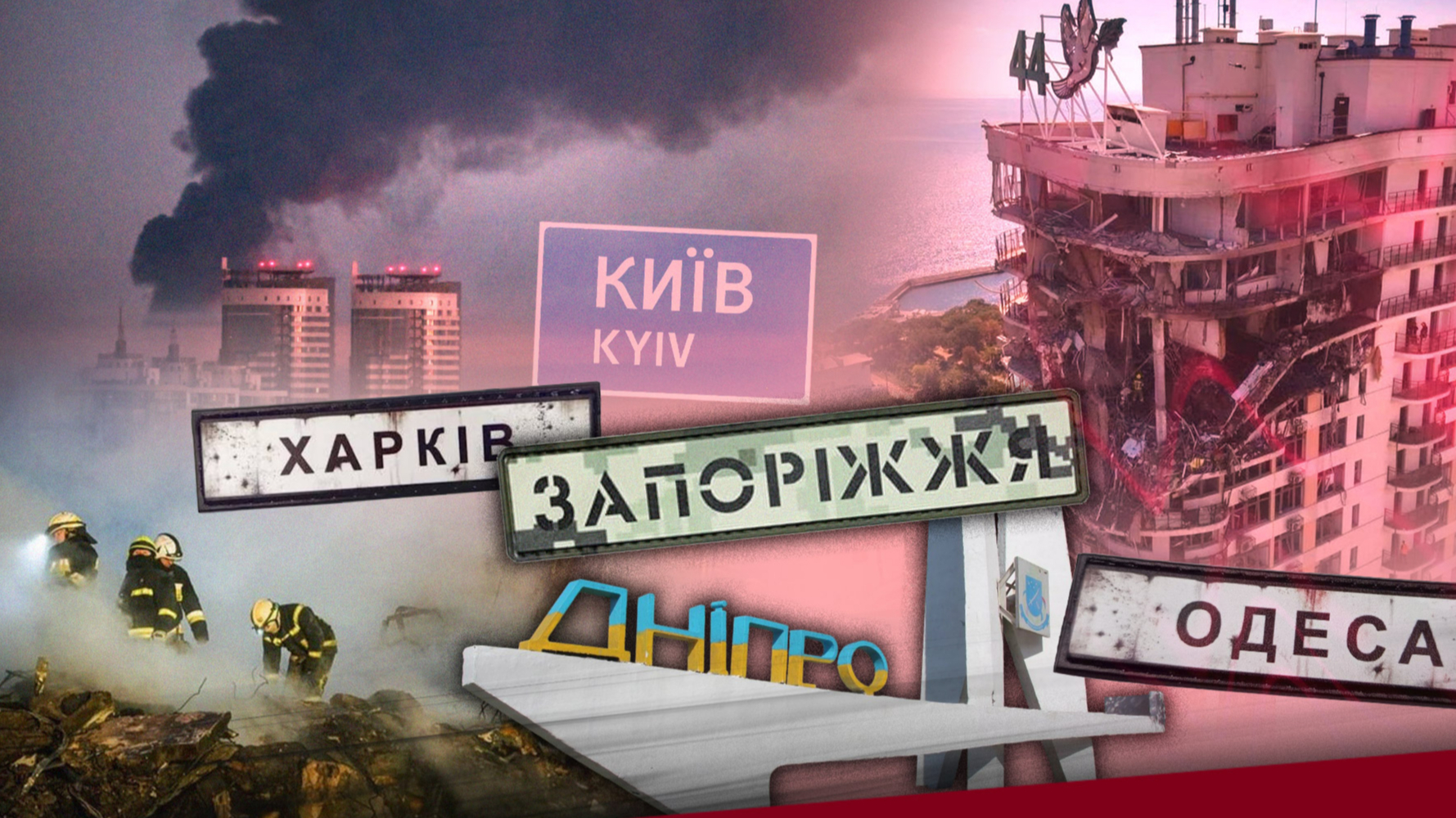
Russian drone and missile attacks on Ukraine's rear areas have escalated since September 2026, when jet-powered Shahed attack drones began to be used on a large scale. Nearly five years into the full-scale war, air-raid warnings in major cities and surrounding regions now sound almost continuously, affecting shops, schools, transport and working life. Ukrainska Pravda worked with four local outlets – Odesa's Intent, Vidbudova Zaporizhzhia, Kharkiv's Gwara Media and Dnipro.media – to compare how cities are coping. The overview also covers Kharkiv, Dnipro and Kyiv; this report summarises Odesa and Zaporizhzhia.
Odesa
On 18 September, Odesa had 20 air-raid warnings in a single day, an all-time record for the city since the full-scale war began. There has been no mass closure of businesses, but entrepreneurs bear losses from damage, downtime and spending on generators, batteries and backup internet. Large shopping centres tend to respond according to the type of threat: missile warnings lead to suspended operations, while not all shops close for drones. Some businesses, including Metro and McDonald's, close during alerts, while the ATB retail chain stays open. Residents are making more use of delivery services.
Schools try to keep in-person teaching going, but interruptions disrupt timetables. Some hold lessons in shelters, others switch to remote learning. Public transport keeps running during alerts, though strikes or power problems can disrupt it. More and more petrol stations are closing when warnings are in force. Employers have become more tolerant of lateness, and cultural events continue under action plans for air-raid situations.
Zaporizhzhia
Zaporizhzhia is a frontline city facing the full range of Russian weapons. Russian forces have destroyed all of its Epicentr home improvement stores, most Amstor supermarkets and its largest shopping centre, City Mall. In September the Zaporizhstal steelworks, one of the city's main employers, suspended operations after missile strikes, hitting residents' incomes and the local budget.
Almost all of the city's 92 schools use a hybrid learning model. Ten "underground schools" – shelters where lessons can continue uninterrupted during alerts – are in operation, with two more due by the end of the year. Public transport is increasingly targeted by FPV drones, and rail passengers usually have to take a bus to Dnipro first. Petrol stations remain open, protected by netting and gabions, and mobile and internet connections have so far remained available.

