Even camels can't cope: Africa's ships of the desert hit by rising temperatures
Rising temperatures in Africa are severely affecting camels, traditionally known for their resilience. Scientists and herders report increased mortality, disease, and reduced milk production.
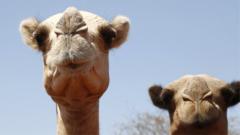
Camels, famously known as ships of the desert, are increasingly suffering from extreme heat in Africa, according to a BBC report.
In Ethiopia's Afar region, one of the hottest and driest places on Earth, camel herder Ali Umer says he lost eight camel calves in one month due to heat. He notes that the animals develop blisters on their feet, watery eyes, and hot sand burns their skin and hair when they sit.
North Africa and the Horn of Africa are home to about 80% of the world's one-humped dromedary camels. Over the years, farmers have switched to these animals for their resilience, but studies show climate change is affecting camel health, productivity, and reproduction.
A study in Somalia found that drought-related camel mortality affected nearly 46% of camel-owning households, with the northern region of Sool experiencing a staggering mortality rate of nearly 73%.
Veterinarians report significant increases in illnesses. Hassan Nuya Guyo from northeastern Kenya says camel deaths in his area have increased by more than 15% in the last two years. A study in Algeria showed a significant rise in camel deaths during summer heatwaves.
Experts explain that camels can tolerate temperatures up to about 40°C by allowing their body temperature to fluctuate throughout the day. However, beyond that, heat stress sets in. Dr. Mohammed Bengoumi of the UN's Food and Agriculture Organization notes that Saharan summer temperatures often exceed 50°C, increasing the risk of severe heat stress.
Heat stress slows metabolism, reduces food intake, and causes lethargy, drop in milk production, and reproductive disorders. Professor Abdelmadjid Chehma from Algeria says prolonged heat above 41-45°C directly attacks cells, damaging the immune system and white blood cells.
To adapt, many herders in Ethiopia are moving their camels from northern regions to the south, where water and vegetation are more available. This is not seasonal movement but permanent relocation, as northern areas can no longer sustain camel herding due to extreme heat and drought.
While the Horn of Africa recovers from the 2020–2023 drought, Oxfam warns of another harsh spell. Water prices in parts of Somalia have risen by over 2,000% due to drought.
Ali Umer fears disease could kill his adult camels at any time. Professor Chehma concludes: "While camels remain the livestock herders' last line of defense against the desert, the unprecedented intensity of current heatwaves directly threatens their vital functions, turning this historically resilient animal into a climate victim."