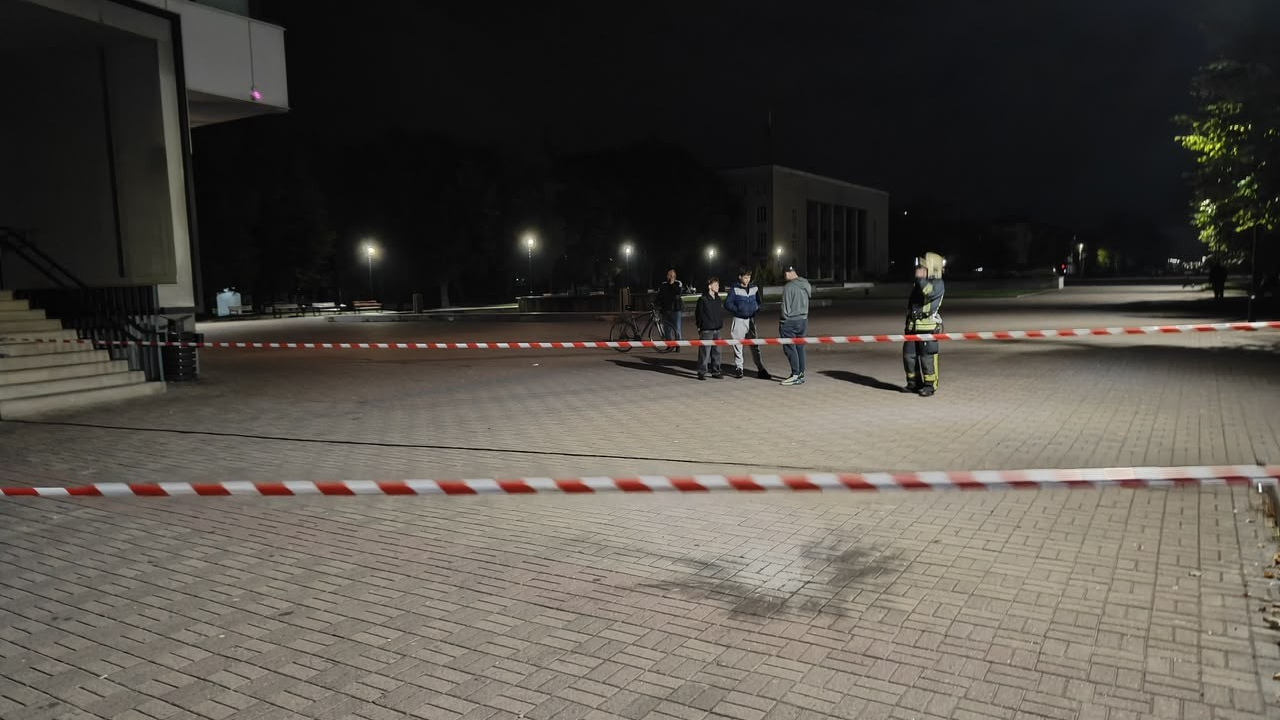
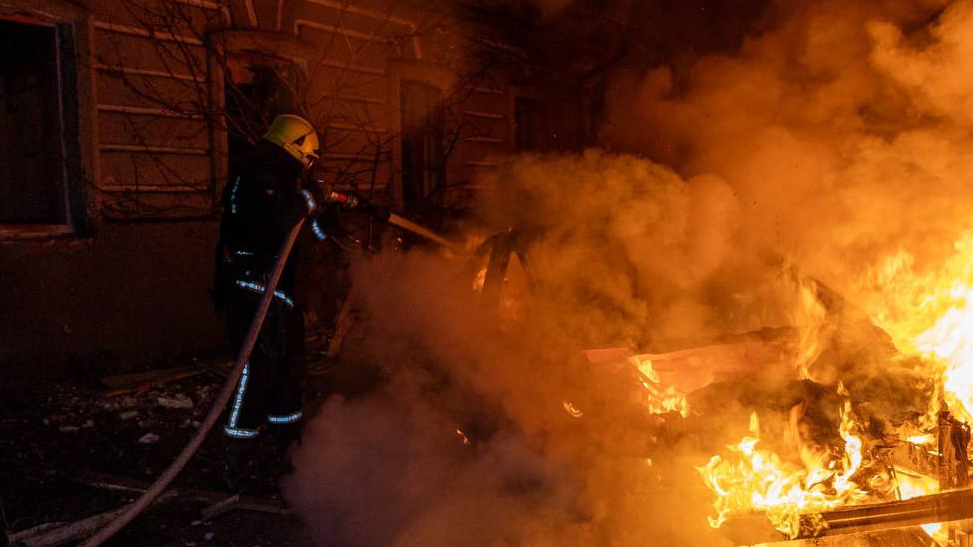
Drones that fell in Latvia and Lithuania this spring linked to Russia's war on Ukraine, officials conclude
Latvia's Defence Ministry and Lithuania's defence minister say the drones that crashed near the border this spring were not a deliberate provocation but resulted from Russian electronic warfare against Ukrainian drones.
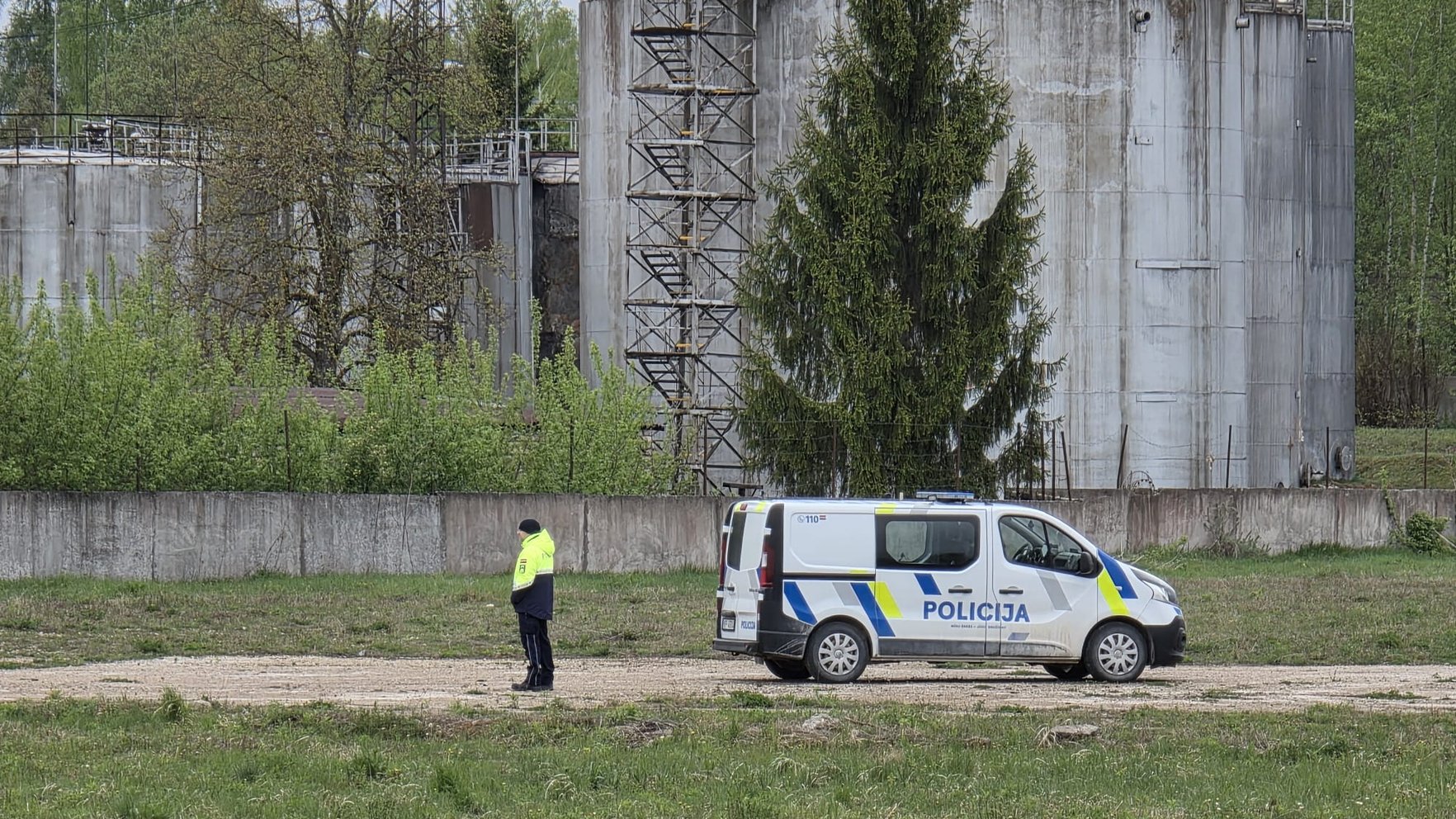
Latvia's Ministry of Defence says the drone incidents that occurred along the country's eastern border this spring were not isolated or random events, but part of a broader regional security threat directly tied to Russia's war against Ukraine. Lithuania's Defence Minister Robertas Kauna has expressed a similar view, stating there is no evidence the incidents were a deliberately targeted provocation.
In the early morning of May 7, several unmanned aerial vehicles entered Latvian airspace from Russian territory. Two of them crashed in the Latgale region, in Balvi, Ludza and Rēzekne municipalities. One drone came down at an oil storage facility in Rēzekne, damaging several tanks. The inadequate response to this incident led to the resignation of then-Defence Minister Andris Sprūds.
Russian electronic warfare blamed
According to the ministry, Russia bears responsibility for the incidents, as it uses electronic warfare tools to counter Ukrainian drone attacks — tools that can alter the flight paths of drones. Possible explanations for drones entering Latvian airspace include route deviation, navigation disruption from electronic warfare, flights along NATO's border, testing of member states' response capabilities, or gathering information on institutional coordination. The ministry acknowledges such incidents may recur, with frequency depending on the intensity of the war and electronic warfare activity, while the National Armed Forces work on countermeasures, including a plan to integrate drones and autonomous systems more quickly into military units.
Lithuania's findings
Speaking on LRT radio on Monday, Lithuania's defence minister said the examination of drone wreckage found in the country indicates the devices were Ukrainian drones that deviated from their course due to Russian electronic warfare. Data and software checks, coordinated with Ukrainian partners, confirmed this conclusion. However, the minister added that a Russian-staged false-flag provocation cannot be entirely ruled out at present. He stressed that Lithuania only informs the public about such incidents once information is confirmed, and does not attribute ownership when no wreckage is found. In May, an air raid alert was declared in the Utena and Vilnius regions after reports of two drones — the first such case since Lithuania regained independence.