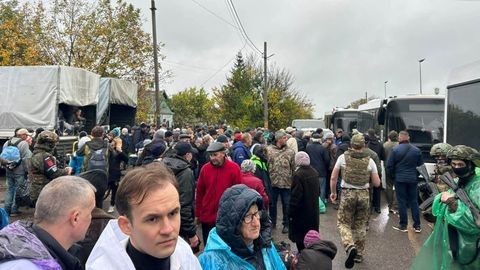
After 4.5 Years in Russian Captivity: How Freed Azov Fighters Recover
On 23 October, 270 Ukrainians returned in a prisoner exchange, including 35 soldiers of the Azov brigade of Ukraine's National Guard. The head of the brigade's support service says they face long treatment and that state funding for dental and joint care is insufficient.
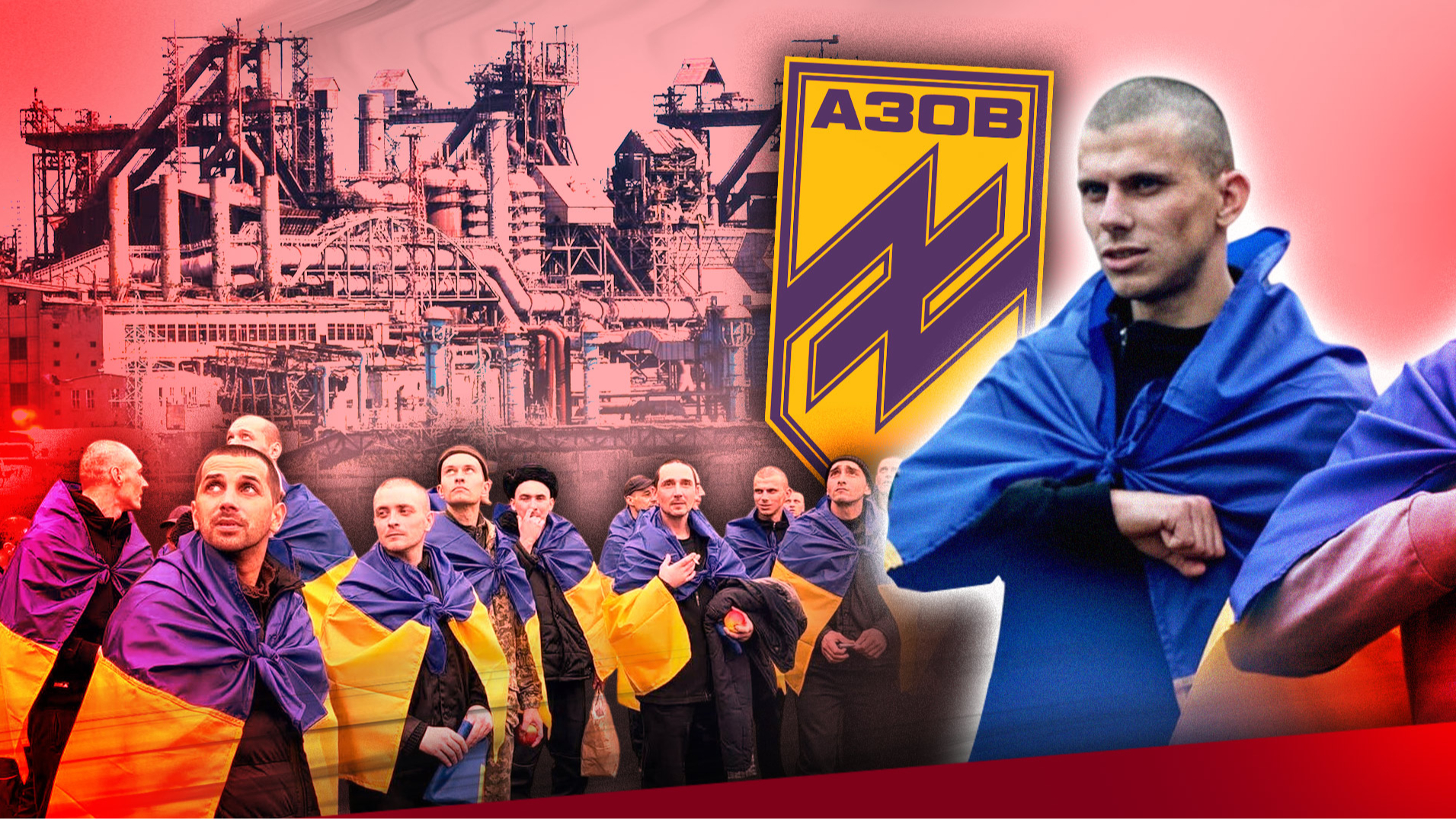
In a prisoner exchange between Ukraine and Russia on 23 October 2026, 270 Ukrainians returned home amid the ongoing war. Among them were 35 soldiers of the Azov 12th Special Purpose Brigade of Ukraine's National Guard, who defended Mariupol and left the Azovstal plant on the order of Ukraine's top military and political leadership, only to end up in Russian captivity. They spent about 4.5 years there. Ukrainska Pravda reports on the condition of the freed men and the help they need.
First days of freedom
The prisoners usually do not know they are being taken to an exchange. Some have been "exchanged" several times over the years without result, so they distrust such claims. They begin to believe it once they reach Belarus, and full relief comes when they cross the Ukrainian border, says Rina Reznik, head of the brigade's support service.
Rehabilitation is mandatory and lasts 21 days in specialised military hospitals and reintegration centres, though it can extend for months. Medics carry out an initial examination, documents are restored, and Ukraine's Security Service and counterintelligence work with the soldiers. The freed men are immediately given essential items and mobile phones so they can contact their families.
Health problems and costs
This time none had acute conditions requiring urgent care, but many illnesses have become chronic. The most common problems are weight loss and digestive disorders, and almost everyone has joint and dental issues. Treating one person costs hundreds of thousands of hryvnias, sometimes up to a million.
The state provides a little over 25,000 hryvnias a year for dental treatment and just over 30,000 for prosthetics, while dental prosthetics cost from 100,000 hryvnias. Reznik says Ukraine has no dedicated state programme for former prisoners of war.
Why exchanging Azov members is hard
Russia views Azov soldiers as ideological enemies and often sentences them to decades or life in prison for membership of a "terrorist organisation", which makes exchanges political. The brigade's press service says that even large exchanges include very few Azov members.