Bridge closures after Russian missile strike cause massive traffic jams in Kyiv
After a Russian missile attack on Kyiv, the capital of Ukraine, traffic over the Northern and Southern bridges across the Dnipro was closed, causing severe congestion. Some drivers are abandoning their cars and continuing on foot.

Massive traffic jams have formed in Kyiv, the capital of Ukraine, on 17 November after a Russian missile attack hit bridges over the Dnipro River and traffic over the Northern and Southern bridges was temporarily closed. The bridges are key links between the two banks of the river, so their closure has seriously complicated getting around the city. The attack came during Russia's full-scale invasion of Ukraine.
What happened
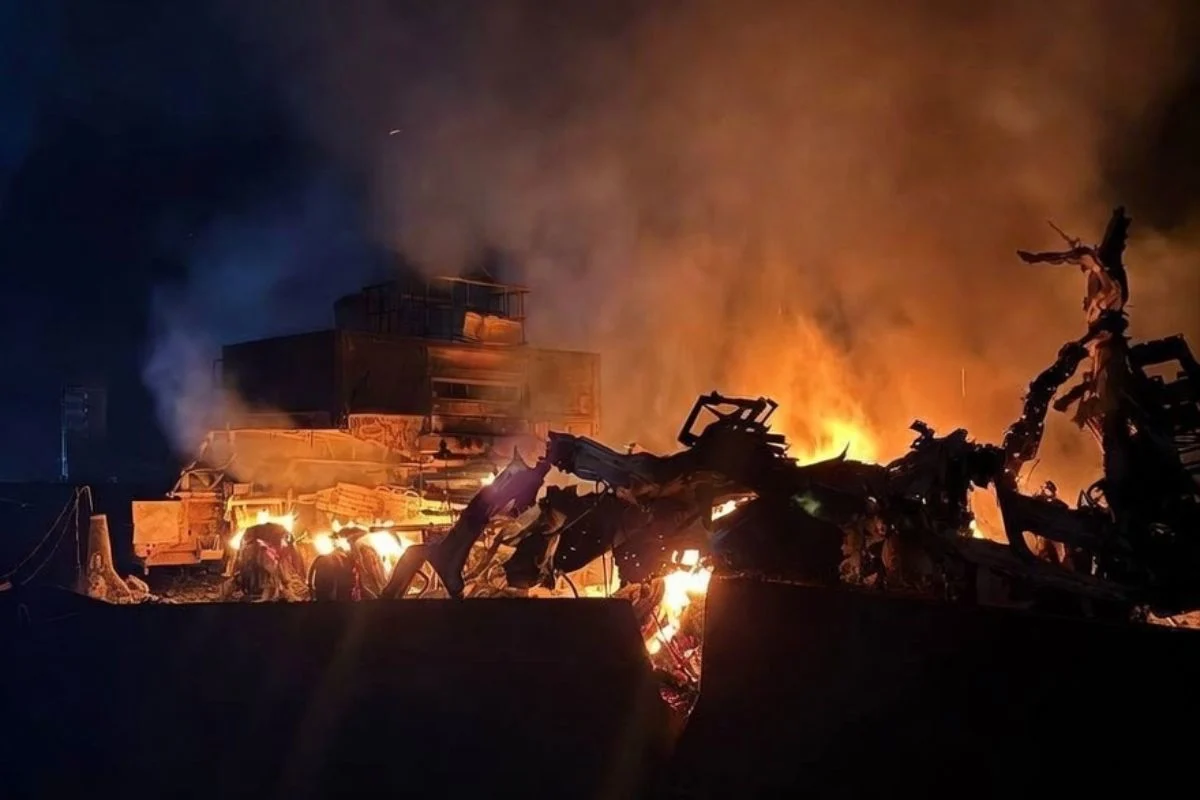
On the evening of 16 November, Russia attacked the capital in several waves with missiles. Powerful explosions were heard on the right bank of the Dnipro, as well as in the Obolon and Vydubychi districts. On 17 November, Russian forces reportedly struck Kyiv with ballistic missiles. The attack damaged above-ground metro infrastructure, so train service on part of the green line was temporarily halted.
Situation in the city
The congestion is so severe that some drivers are leaving their cars and walking toward Chernihivska metro station. Others switch to electric scooters to reach their destinations faster. Surface public transport is also stuck: passengers get off buses and trolleybuses, and drivers stop even outside designated stops to let them out. Heavy traffic has also built up near the Paton Bridge.
The city's public transport company, Kyivpastrans, said additional routes have been set up so residents can get from one bank of the Dnipro to the other. Ukraine's railway operator, Ukrzaliznytsia, has increased the number of suburban train services.
Background
Russia's full-scale invasion of Ukraine has continued since 24 February 2022. The war launched by Russia against Ukraine has lasted since 2014, when Russia occupied the Crimean peninsula and began military action in Donbas.