After the Election, the United List Must Prove Its Promises Are Achievable
Experts on TV24's “Kārtības rullis” discussed the challenges the United List faces in building a coalition after Latvia's 15th Saeima election. LPV's Ēriks Stendzenieks suggested Andris Kulbergs' conduct is driven by rivalry with Ainārs Šlesers, but historian Gatis Krūmiņš disagreed.
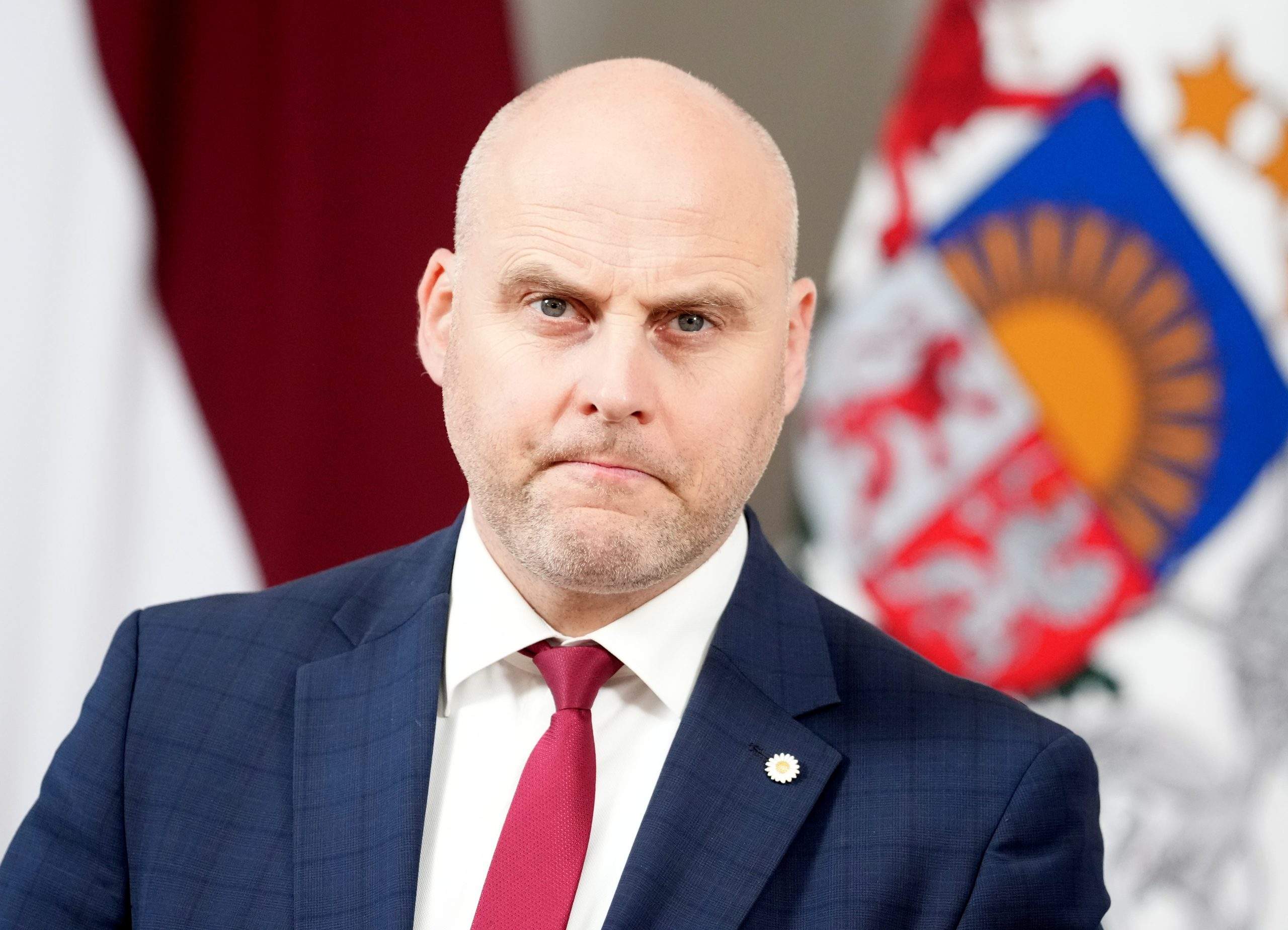
Following the 15th Saeima (Latvian parliament) election, the political force United List must move from a strong election result to real work in a governing coalition. Experts discussed this and the related risks on the show “Kārtības rullis” on the Latvian TV channel TV24. The party will need to justify its proposals, reach agreement with potential partners and convince voters that its promises can be delivered.
A difficult starting position
The panel included Arnis Kaktiņš, sociologist and director of the SKDS public opinion research centre; Ēriks Stendzenieks, an advertising specialist and Riga City Council member from the party LPV; Gatis Krūmiņš, historian and lead researcher at Vidzeme University of Applied Sciences; and Filips Rajevskis, a political scientist and co-founder of the public relations agency Mediju tilts.
Kaktiņš noted that parties come to coalition talks each with its own programme, while the United List holds 41 seats. Every potential partner will therefore ask what it must agree to. In his view, the party is in the spotlight and must come forward with a clear offer.
Kulbergs and Šlesers
Stendzenieks focused on Andris Kulbergs' emphasis on the economy and finance. He said Kulbergs would need to turn his economic promises into concrete policy, and asked ironically how that could be combined with working alongside the nationalists while dealing with ports, transit and business interests. In his view, Kulbergs should have left himself more room for manoeuvre before the election.
Stendzenieks argued that Kulbergs' real problem is fear of competition from Ainārs Šlesers, who he said “will steal the show”. He predicted that in a year Šlesers will be more visible while Kulbergs' position may weaken. Krūmiņš disagreed, saying Stendzenieks gives Šlesers too much weight.
Power is more than seats
The discussion also stressed that a large number of seats does not by itself mean full power. Not only the Saeima but also ministries, ministers' offices and parliamentary secretary teams must be staffed, finding people able to master the complex issues of public administration.