Storm damage may take several days to fully repair as parts of Latvia remain without power
Most customers affected by Saturday's severe summer storm have had their electricity restored, but forested areas may face several more days without power. Around 200 local crews and seven crews from Estonia are working on repairs.
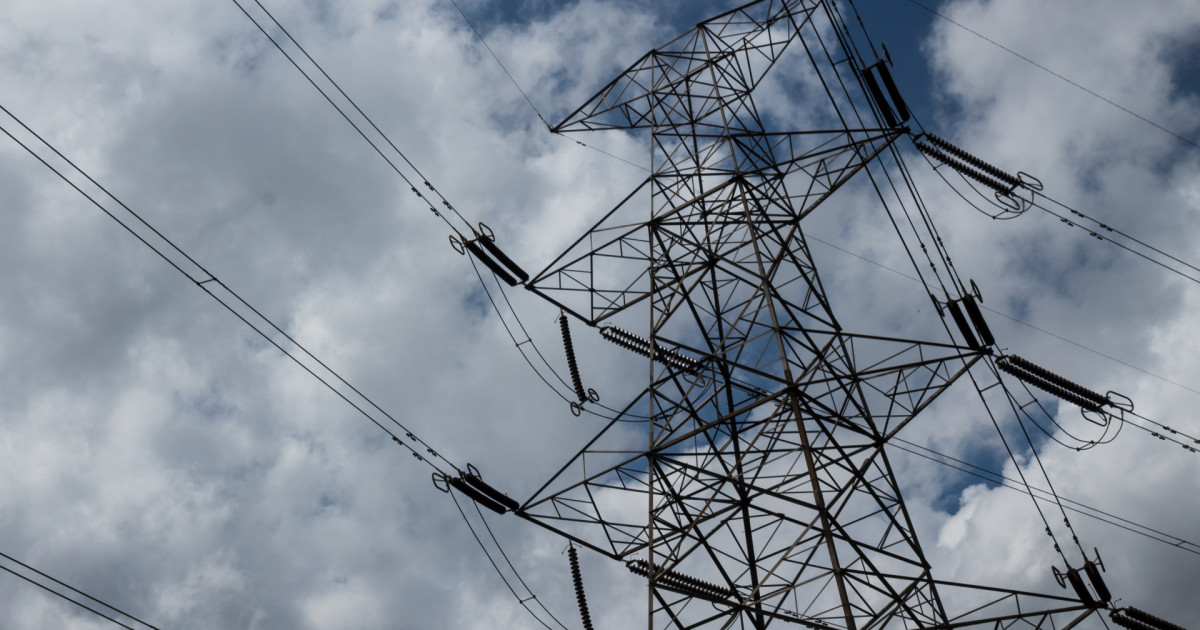
On Saturday, August 22, and the following night, Latvia was hit by the strongest summer storm in recent decades, with wind gusts in places exceeding 30 metres per second. The storm caused widespread damage to both the distribution and transmission electricity networks, initially cutting power to about 277,000 customers nationwide.
Most customers already reconnected
By 6 a.m. on Monday, power had been restored to roughly 190,000 customers, or 70% of those affected by the storm. Grid operator Sadales tīkls has so far fixed 307 faults in the distribution network. About 200 local crews are working on repairs, supported by seven additional crews sent from Estonia.
The company warns that in some areas, particularly those with extensive forest cover, fully restoring power may still take several more days.
Transmission lines must be fixed first
Restoring power in the medium-voltage network first requires repairing damage to the main transmission lines, which is why some Sadales tīkls crews worked alongside transmission operator Augstsprieguma tīkls (AST) on transmission-line repairs yesterday. Today, Sadales tīkls crews are focused on restoring voltage across all medium-voltage lines. As weather conditions improve, both Latvian and Estonian crews will begin using drones to speed up the identification of damaged sites.
Ten substations still without power
AST reports that as of Monday morning, 10 substations — 6.4% of all transmission network substations — remained without power, representing about 20% of those that lost power due to the storm. Priority is being given to restoring lines serving major cities and substations that supply a broader range of consumers. In total, damage has been recorded on nearly 50 transmission lines and more than 40 substations, and inspecting the affected overhead lines will require covering more than 1,500 kilometres.