Swimming Headphones: What Makes Them Different from Regular Ones?
Swimming headphones differ from regular ones due to water's physics—they use bone conduction and built-in storage because Bluetooth doesn't work underwater.
Why Regular Headphones Fail in Water
With many headphones claiming unique features, swimming headphones are not just a gimmick. They differ significantly in how they access music and transmit sound to the ears. The key lies in the physics of water affecting audio.
Water and Sound Physics
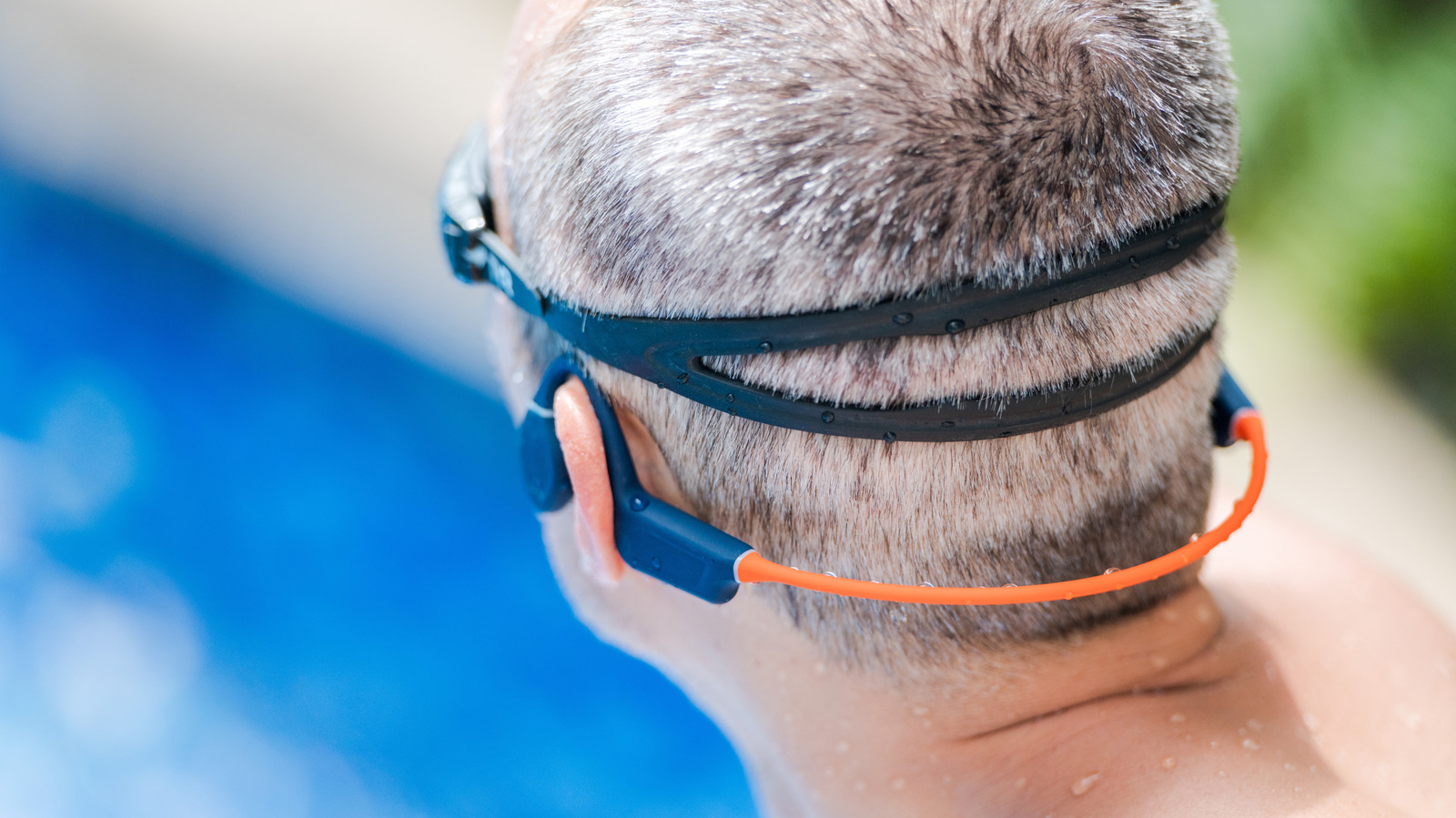
Bluetooth signals cannot travel through water, so once submerged, the connection to your phone is lost. Swimming headphones therefore come with built-in storage, a rarity for regular headphones. Water also dampens airborne vibrations, making standard headphones ineffective. Thus, swimming headphones almost exclusively use bone conduction, resting on the cheekbones and transmitting vibrations directly to the inner ear, bypassing the eardrum.
What to Look For
Ingress Protection (IP) rating is crucial—the second digit indicates water resistance (IPX7 and IPX8 for submersion). Bone conduction creates an occlusion effect in water, amplifying low frequencies. Some models offer special swimming EQ to balance sound. Vibration at high volumes can cause buzzing; manufacturers tackle this with adjustable transducers or optimized angles. Proper research ensures you find the best pair for tech-enhanced swimming.

