Pentagon's Space Development Agency Faces Delays and Planned Closure
The US Space Development Agency (SDA), created in 2019 to accelerate military satellite deployment, is still grappling with technical issues and schedule slips as the Pentagon plans to dissolve it and fold it into the Space Force.
Delays and Technical Hiccups
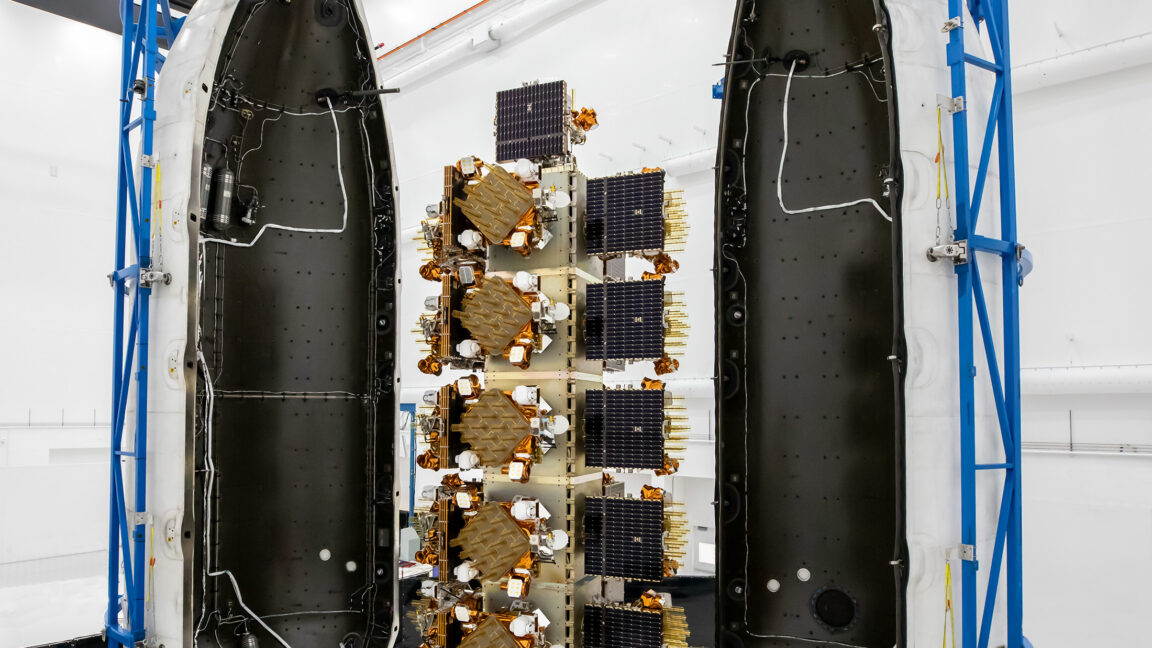
Established in 2019 to bypass the Pentagon's slow bureaucracy, the SDA is finally launching its first operational satellites after seven years, but its history has been marred by schedule delays, production and supply chain bottlenecks, and technical problems with the initial batches of data relay satellites launched last year.
On Thursday, the third group of Tranche 1 transport satellites launched aboard a SpaceX Falcon 9 rocket from Vandenberg Space Force Base, California, bringing the total number of such satellites in orbit to 63. This launch resumed SDA deployments after a nine-month pause due to issues with spacecraft from the first two Tranche 1 launches.
Satellite Glitches
SDA Director Gurpartap "GP" Sandhoo said ground controllers lacked sufficient coverage to communicate with satellites after last year's launches. Some satellites encountered thermal control and propulsion problems while climbing from insertion orbit to operational altitude of over 600 miles (1,000 kilometers). "We are in a pretty harsh radiation environment at 1,000 kilometers, so not all of our orbit raising has gone according to plan," Sandhoo noted.
Despite the issues, Sandhoo is optimistic that most satellites will eventually be declared operational, though it's taking longer than expected.
Future Plans and Agency Closure
Tranche 1 will consist of 154 operational satellites: 126 for data relay and 28 for missile tracking. None of the tracking satellites have launched yet. Seven more launches are needed to complete Tranche 1, but the schedule remains constrained by the availability of optical communication terminals.
The Pentagon plans to shut down the SDA and fold it into the Space Force's procurement pipeline. Lawmakers in both houses of Congress have backed the agency's closure in drafts of this year's National Defense Authorization Act. Most of SDA's mission will continue under the Space Force, and its satellites will become part of the planned Golden Dome missile shield.
Sandhoo lamented that if all Tranche 1 satellites had been launched on schedule, enhanced missile warning capability could already be supporting troops. "Literally, missiles are being launched at the joint force every single day in [Operation] Epic Fury. We are doing everything we can to solve these technical challenges to get these systems on orbit," he said.