Pentagon Studied Military Scenarios Against Cuba – CBS News
According to CBS News sources, Pentagon strategists have in recent weeks examined several military options against Cuba, including an airborne assault, but no decision has been made and attention remains on Iran.
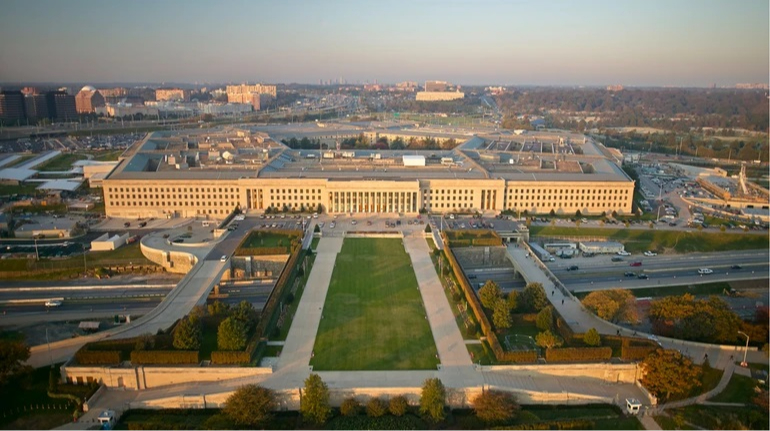
Pentagon officials have internally reviewed possible actions against Cuba, according to a CBS News report citing multiple anonymous defense sources. The options considered included a ground-led airborne assault by the 101st Airborne Division, the only U.S. unit trained for such a mission. However, sources emphasize that these briefings do not indicate a decision by President Donald Trump or the Pentagon to launch an operation. Any operation against Cuba would pose serious challenges, as a significant portion of U.S. military forces and offensive resources are already engaged in other regions, particularly Iran.
Secretary of State Marco Rubio has stated that the U.S. prefers a diplomatic path toward a new government led by technocrats ready to implement economic reforms. This process has stalled despite increased financial pressure on Cuba's armed forces and their conglomerate GAESA, which is estimated to be worth $18 billion. In a July 11 statement, Rubio criticized the regime for entrenching "total control" and adhering to a "morally bankrupt Marxist ideology." The State Department announced stepped-up financial pressure on Cuban state enterprises that it says funnel revenues to the regime and paramilitary forces.
In late June, U.S. military officials held an operations concept briefing to discuss initial planning options for possible missions. Such briefings are routine at the Defense Department for various contingencies. However, officials indicated that shifting focus to Cuba is currently unlikely given the resumption of military operations against Iran.
Behind the scenes, the war with Iran has revealed tensions between Trump and Defense Secretary Pete Hegseth. Trump has privately expressed frustration with the progress of Operation Epic Fury, believing the administration missed an opportunity to prevent a protracted conflict by rejecting an Iranian offer to limit its nuclear program. Two sources said Hegseth pushed for a more confrontational approach to Iran despite warnings from General Dan Caine, Chairman of the Joint Chiefs of Staff, causing Trump's dissatisfaction as the campaign became longer and more complex.
The White House denied any rift, with spokeswoman Anna Kelly stating that Trump is "extremely proud" of Hegseth's and Commander Brad Cooper's leadership, which destroyed Iran's ballistic missiles, production facilities, navy, and air defenses. Pentagon spokesman Joel Valdes declined to comment on hypothetical operations.
The standoff with Cuba did not emerge overnight. Over the past 18 months, the White House has systematically reversed the limited engagement policies of former Presidents Joe Biden and Barack Obama, replacing them with a campaign of economic, diplomatic, and legal pressure that has isolated Havana and denied its security forces revenue. Trump, upon returning to office in January 2025, re-listed Cuba as a state sponsor of terrorism. The administration expanded sanctions, including those targeting GAESA, and imposed travel, remittance, and financial restrictions. Cuban leader Miguel Díaz-Canel was personally sanctioned. These measures coincided with a deep economic crisis in Cuba, marked by fuel shortages, power outages, and protests.
CBS News also reported that Cuba has acquired strike drones from an unknown origin. During a June visit to Guantanamo Bay, Hegseth indirectly acknowledged potential threats to the base. In May, CIA Director John Ratcliffe visited Havana to deliver a message of willingness to expand cooperation if Cuba undertakes fundamental changes, but he brought along an operative involved in the Venezuelan leader Maduro's abduction. Soon after, the Justice Department charged 95-year-old former leader Raúl Castro over the 1996 shootdown of two U.S. aircraft. Sources indicated a preference for the Castro family to leave the island voluntarily.
Despite rising tensions, limited cooperation continued – Cuba accepted U.S. deportation flights under existing migration agreements. By mid-2025, the Trump administration codified its approach with a new National Security Presidential Memorandum that tightened travel, remittance, and financial restrictions. Earlier this year, Trump declared Cuba an "unusual and extraordinary threat" and extended sanctions to foreign governments and companies supplying oil to the island.
Cuban officials blamed U.S. sanctions, while the Trump administration pointed to internal mismanagement. On January 30, Trump signed an order declaring a national emergency over Cuba, allowing tariffs on countries that supply it with oil. On February 1, Cuban Foreign Minister Bruno Rodríguez announced an "international state of emergency" due to the deterioration of relations with the U.S.