Pentagon prepares US military bases to operate autonomously for 90 days in event of war
The US Department of Defense (the Pentagon) is preparing military bases to function for at least 90 days without outside support in case of a large-scale world war. The initiative includes mobile nuclear reactors, microgrids and stockpiles of critical supplies.
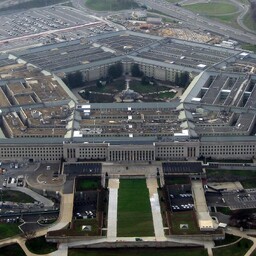
The US Department of Defense, known as the Pentagon, is preparing American military bases to function for at least 90 days without external support. The step is being taken with a possible large-scale world war in mind, which could knock out power grids, disrupt supply chains and endanger critical infrastructure. The plans were reported by German broadcaster Deutsche Welle, citing US television channel Fox News.
What the initiative involves
The initiative, named FORTLESS in the source (later in the text spelled FORTRESS), includes mobile nuclear reactors, microgrids and large battery systems. It also provides for strategic stockpiles of ammunition and fuel. The aim is to ensure US forces can keep fighting even if civilian systems fail. The programme will cover every major military installation in the continental United States.
The Pentagon is also creating conditions for civilian factories to switch to defence production in a crisis. Alternative supply chains and reserves are being prepared to keep weapons, fuel and other materials flowing. The plan requires at least two reliable supply or production channels, in case one is knocked out.
Through the Civil Reserve Manufacturing Network, the Pentagon intends to compile a list of all commercial plants able to move to defence production in a crisis. This involves determining technical specifications, cybersecurity measures, contracting terms and retooling procedures in advance. Regular industrial stress tests and mobilisation exercises will also assess whether manufacturers can keep producing during prolonged disruption.
Steps are also planned to harden military communications, navigation and satellite systems so operations can continue if GPS signals are jammed or space assets are disabled.
Pentagon spokesman's explanation
Pentagon spokesman Sean Parnell said that much of the thinking about homeland defence had rested on an outdated assumption that two oceans would protect the country. He pointed to President Donald Trump's Golden Dome project, as well as renewed attention to the Western Hemisphere, Greenland and Panama. In his words, energy supply critical to missions must be independent, protected and redundant.
Parnell said the next conflict will probably be fought on several fronts and global supply chains will break down when it happens. "We have to have a plan," he said.