Pentagon enlists Ukrainian jamming firm to test drone candidates for survivability
The US Department of Defense brought in Ukrainian electronic-warfare company Unwave to jam drones being considered for purchase, testing which models can survive interference similar to what Russia uses against Ukraine's drones.
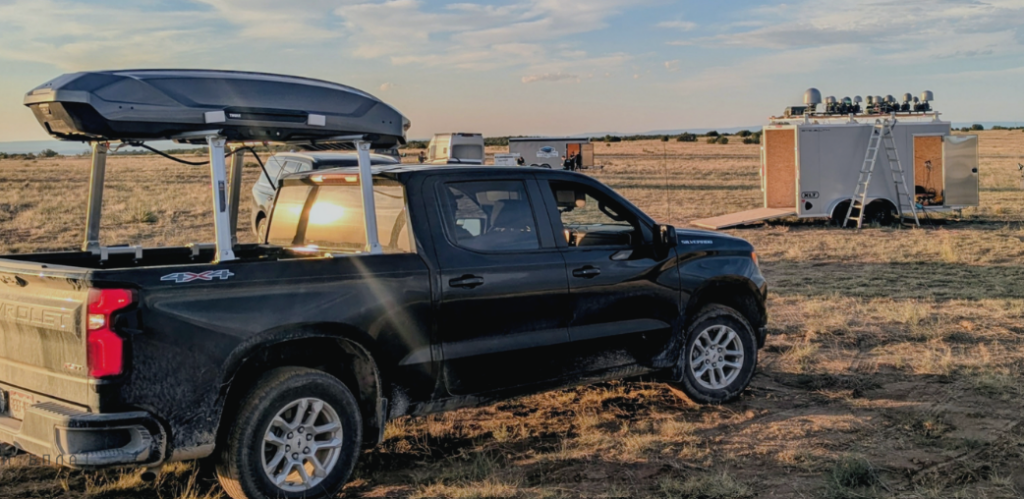
The Pentagon has enlisted Unwave, a Ukrainian electronic-warfare (EW) company, to bring its jamming technology to a US base in order to test drones the Department of Defense is considering buying. Unwave brought four separate electronic-warfare systems to the site to jam the candidate drones under evaluation.
The goal of the exercise is to determine which drones being pitched to the US military can withstand the kind of radio-frequency jamming that Russia routinely deploys against Ukrainian drones on the battlefield. By subjecting candidate drones to conditions modeled on real combat electronic warfare, the Pentagon aims to identify which systems are genuinely resilient rather than merely functional under ideal, interference-free conditions.
Unwave's expertise comes directly from Ukraine's ongoing war experience, where electronic warfare has become one of the decisive factors determining whether drones can complete their missions. By bringing in a company with hands-on knowledge of how Russian jamming systems operate and how drones fail or survive against them, US officials are seeking a more realistic assessment than standard testing typically provides.
The move reflects a broader shift in how the US military approaches drone procurement, as lessons from the Russia-Ukraine war increasingly shape requirements for unmanned systems. Survivability against electronic warfare has emerged as a critical criterion, given that jamming has proven capable of neutralizing otherwise capable drones in actual combat. Incorporating Ukrainian expertise into the testing process gives the Pentagon a way to evaluate candidate drones against threats closer to what forces might actually encounter in the field, rather than relying solely on controlled laboratory conditions.