Pentagon Picks Seven Counter-Drone Laser Makers for December Live-Fire Trials
The U.S. defense department has chosen seven companies to demonstrate high-energy lasers for destroying hostile drones at a Utah proving ground in mid-December. Successful tests could lead directly to military purchase orders.
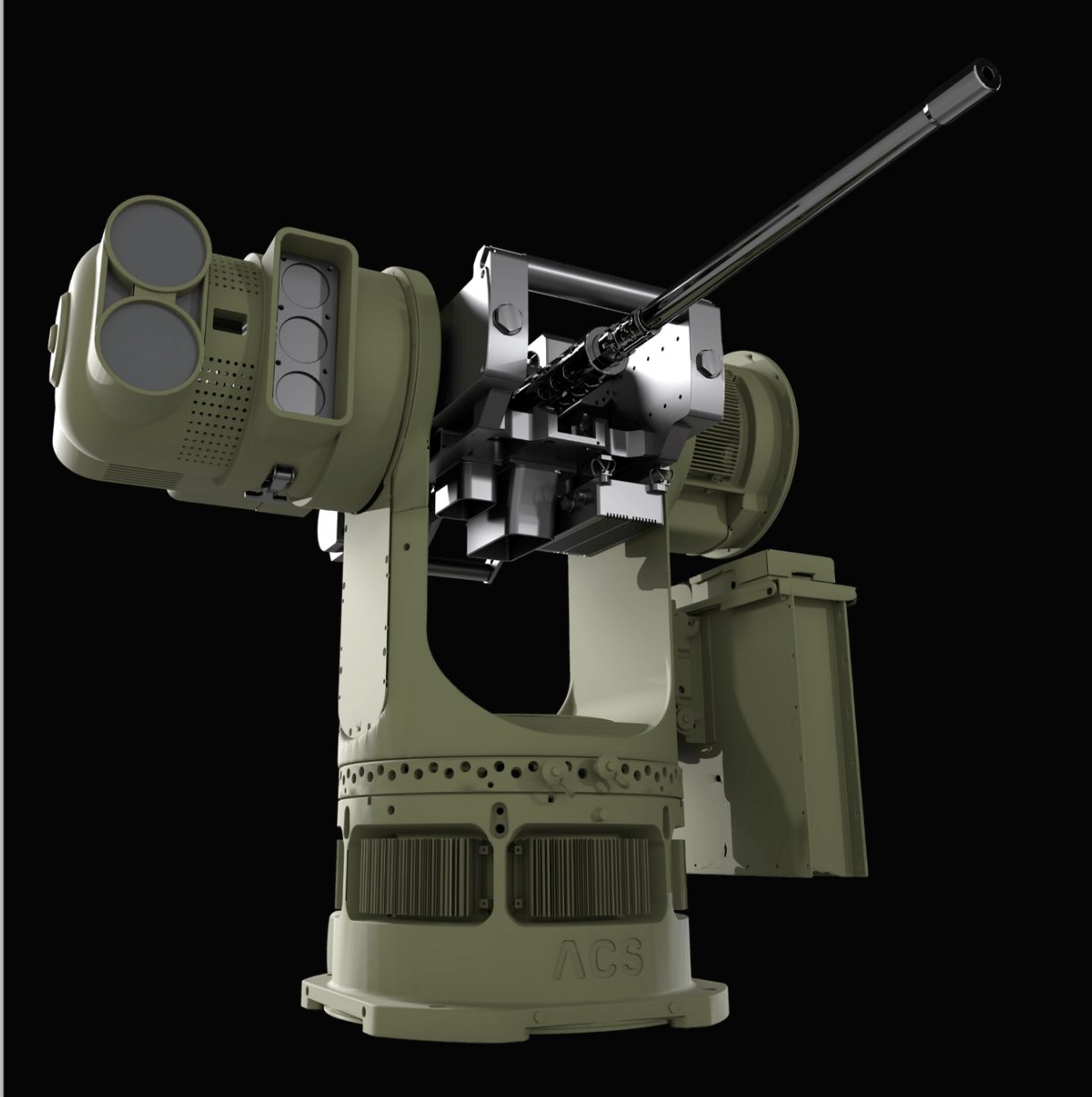
The U.S. Department of War, commonly known as the Pentagon, has selected seven companies to demonstrate high-energy laser weapons built to destroy hostile drones. The live-fire trials are set for mid-December at Dugway Proving Ground in Utah. The selections were announced on November 16 after a review of 13 technical proposals. The Pentagon is looking for cheaper defenses against drone threats, and strong results could lead straight to military purchase orders.
Who is taking part
The choice was made by the Pentagon's Office of Research and Engineering and Joint Interagency Task Force 401 (JIATF 401). The participants are:
- Allen Control Systems – BULLFROG HEL;
- Aurelius Systems – ARCHIMEDES;
- AeroVironment (BlueHalo) – LOCUST X1;
- Kord Technologies – FIREFLY;
- Lockheed Martin (IPG) – Crossbow;
- Thor Dynamics – LASER ARMOR HEL;
- Yrikka – TALOS, a drone-based laser.
Before testing, the companies must complete safety certifications and connect their systems to military command-and-control networks. In December, evaluators will assess how well each system can track and defeat representative drone targets.
Why lasers
One challenge for the military is finding an affordable way to stop inexpensive drones. Conventional air defenses often depend on missiles or ammunition that must be replaced after each engagement. High-energy lasers use concentrated electromagnetic energy to damage sensors, burn through materials or destroy critical components. According to the U.S. Government Accountability Office, such weapons offer the potential for repeated engagements at relatively low cost, since no new projectile is needed for each shot.
Lasers have drawbacks, however. They generally engage one target at a time, need a clear line to the target and can lose effectiveness in fog or other poor atmospheric conditions. Power and cooling demands are also a challenge. Lasers are therefore expected to complement, not replace, missiles and other counter-drone tools.
Path to production
Brig. Gen. Matthew Ross, the Army officer who directs JIATF 401, said the shoot-off is structured so that systems that perform well can immediately receive a purchase order and start building production lines. In July, the Pentagon announced $86 million in initial agreements with nLIGHT Defense and Lockheed Martin Aculight, and in August it reported an Army laser being used against three hostile drones near the U.S. southern border. Selection for testing does not guarantee a contract.