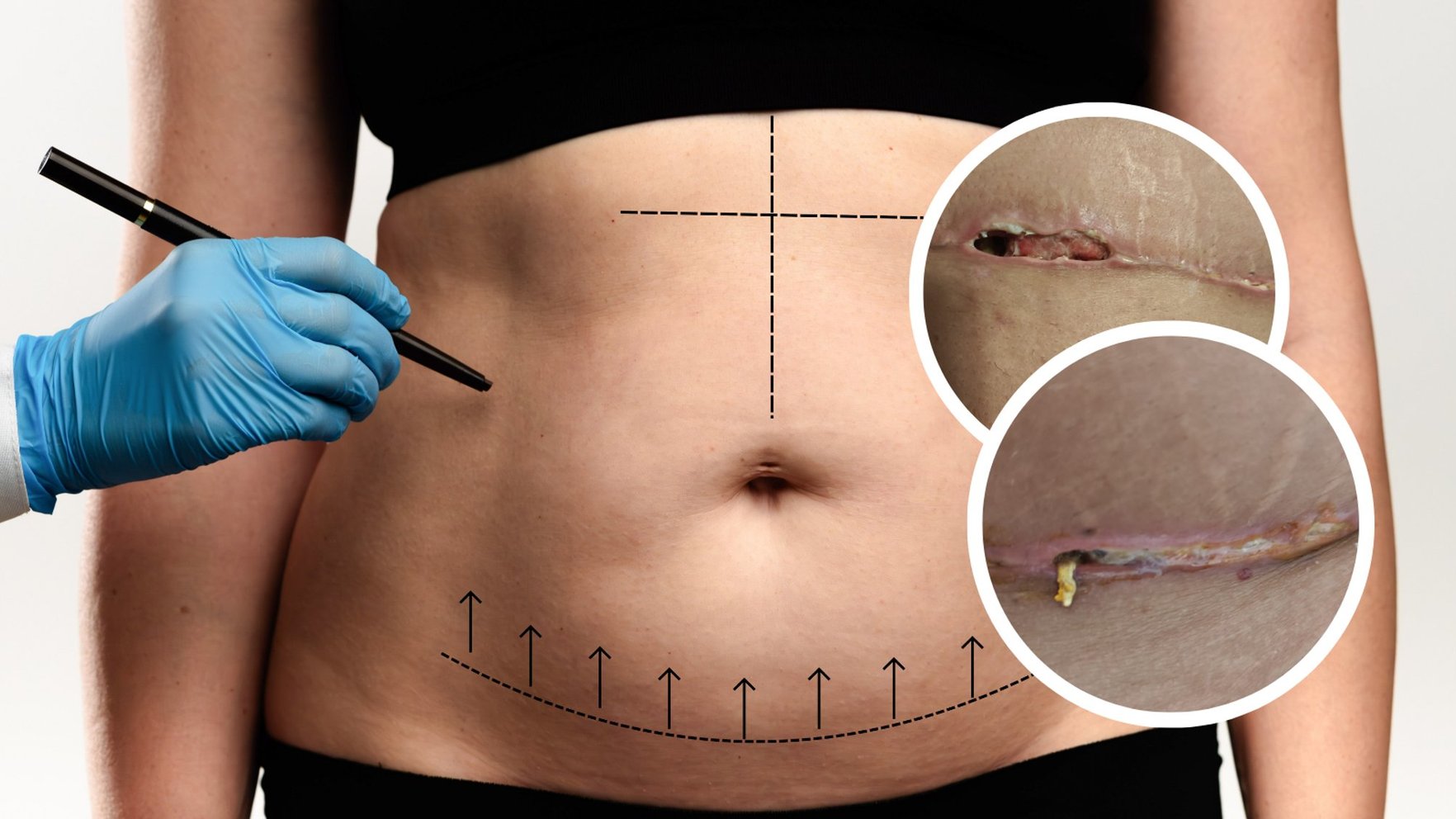
The peptide boom on social media: what they can really do and where the risks lie
Peptides are being promoted on social media as a cure-all for slowing aging, losing weight and building muscle, but a family doctor explains that many of them remain insufficiently studied and unapproved for use.
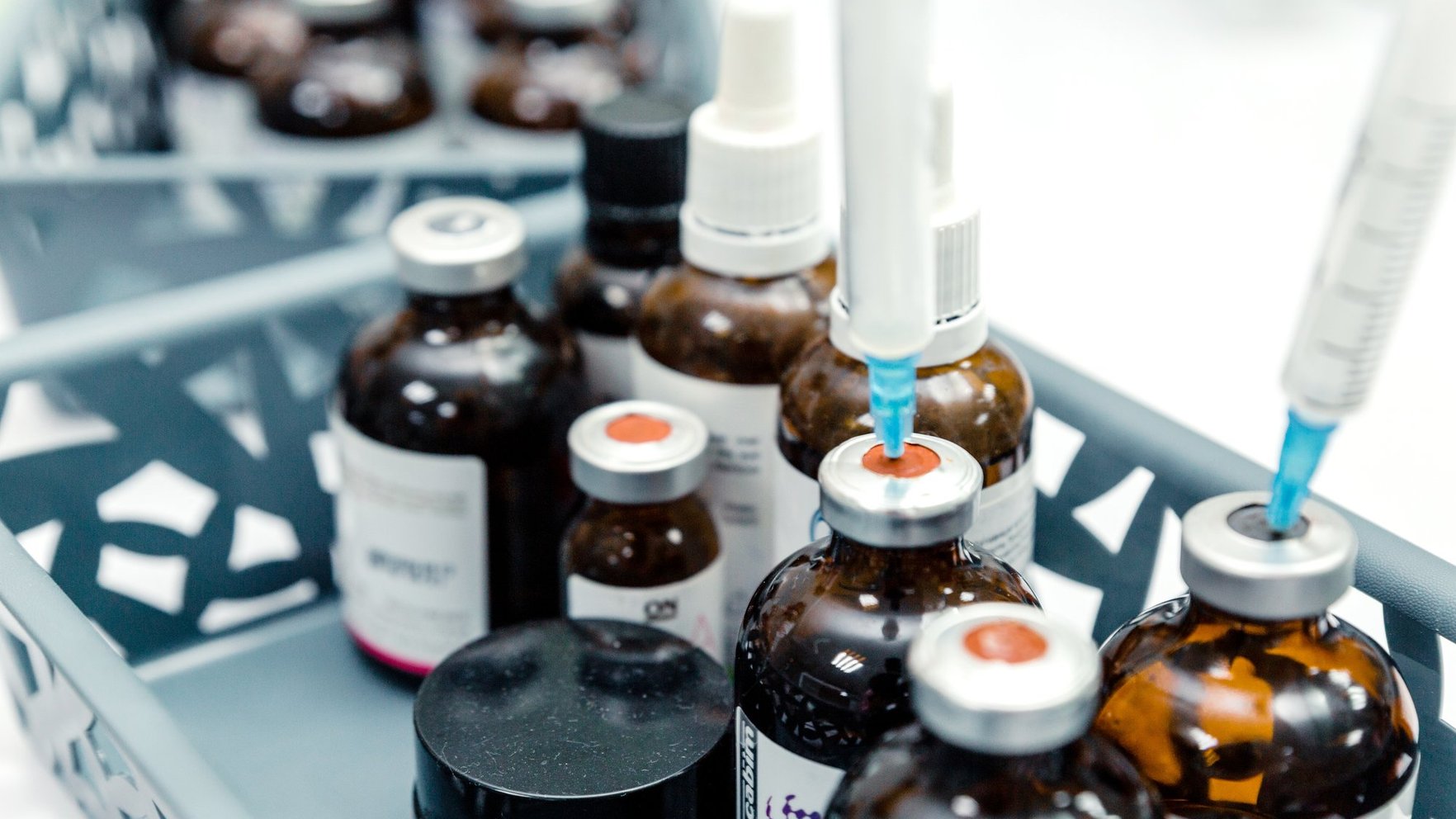
Peptides have recently surged in popularity on social media, with influencers claiming they can address nearly any health concern — from slowing down aging to weight loss and muscle growth. However, many of these substances have not yet been thoroughly studied or officially approved for medical use.
What peptides actually are
Family doctor Eva Moreino explains that a peptide is a compound made of amino acids linked together by so-called peptide bonds. A compound is traditionally classified as a peptide if it contains 40–50 amino acids, though some, such as insulin, contain more.
According to Moreino, the claim that no peptide has been approved for medical use is simply false — peptides have been used in medicine since the 1980s. She stresses that peptides are not a human invention: they have always existed in the body, even before their discovery. They act mainly as signals that trigger various processes, including metabolism, mood regulation, muscle growth, tissue regeneration, collagen production and nervous system function.
Moreino adds that scientists previously identified a bodily function first and then searched for the peptide responsible for it, but today the process often works the other way around — new peptides are discovered before their exact function is understood. She sees this as evidence of a broad field still open for scientific research.
Not all peptides are equal
The family doctor notes that peptides can be divided into two categories. The first includes peptides already used in medicine, such as insulin, oxytocin, and officially approved weight-loss drugs like Ozempic and Mojaro. The second group consists of peptides still undergoing experimental research — some may eventually gain approval, but most currently lack official authorization, meaning their use carries uncertain risks.