Diarrhea outbreak among lab primates yields valuable data for Shigella vaccine
A two-year-plus diarrheal outbreak caused by Shigella at a Wisconsin primate research center gave scientists rare immunological data that could guide development of a broadly protective vaccine. The findings were published in Science Translational Medicine.
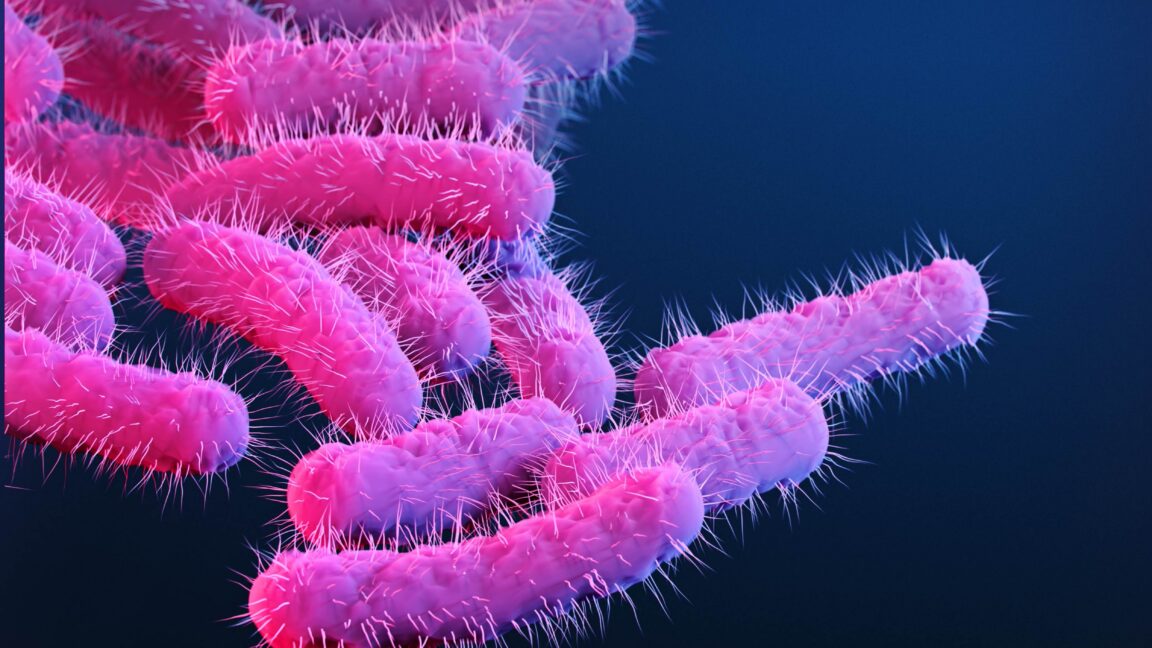
An unusually large and long-lasting outbreak of Shigella-caused diarrhea struck more than 150 non-human primates at the Wisconsin National Primate Research Center in Madison, starting in December 2022. While such outbreaks occasionally occur at primate facilities, this one stood out for its scale and duration, even sickening some staff members at the center.
In total, 169 cases were microbiologically confirmed. Researchers collected 151 isolates for serotyping and performed whole genome sequencing on 95 of them. The outbreak was traced to two related clusters of Shigella flexneri, a species that commonly affects captive primates. Among tested isolates, 63 percent showed resistance to multiple antibiotics. Most animals had only mild symptoms, though some cases were asymptomatic and others severe, with infants hit hardest.
Key findings
Scientists drew blood samples from 41 infected animals at several points after infection to study their immune responses. They found antibodies targeting the O-antigen, the outermost part of the bacteria's membrane molecule, which typically varies between Shigella serotypes. Notably, some antibodies were able to recognize O-antigens across multiple serotypes—a trait crucial for a broadly effective vaccine. Antibodies that bound tightly could also trigger reactions that destroy the bacterial cells.
Researchers also examined antibodies targeting IpaB and IpaD, two proteins at the tip of the bacteria's needle-like attack apparatus, called a type 3 secretion system. Some antibodies inadvertently helped the bacteria rupture blood cells, while others prevented this, and scientists pinpointed the exact binding sites of the protective ones.
The findings offer new direction for designing an effective Shigella vaccine, though one remains far off. Shigella infects more than 200 million people worldwide each year and kills more than 200,000, mostly children, with strains growing increasingly resistant to antibiotics.