Australia's social media ban may not be that effective, study finds
A study shows that over 85% of teens under 16 continue using social media despite the ban, mostly by circumventing weak age checks.
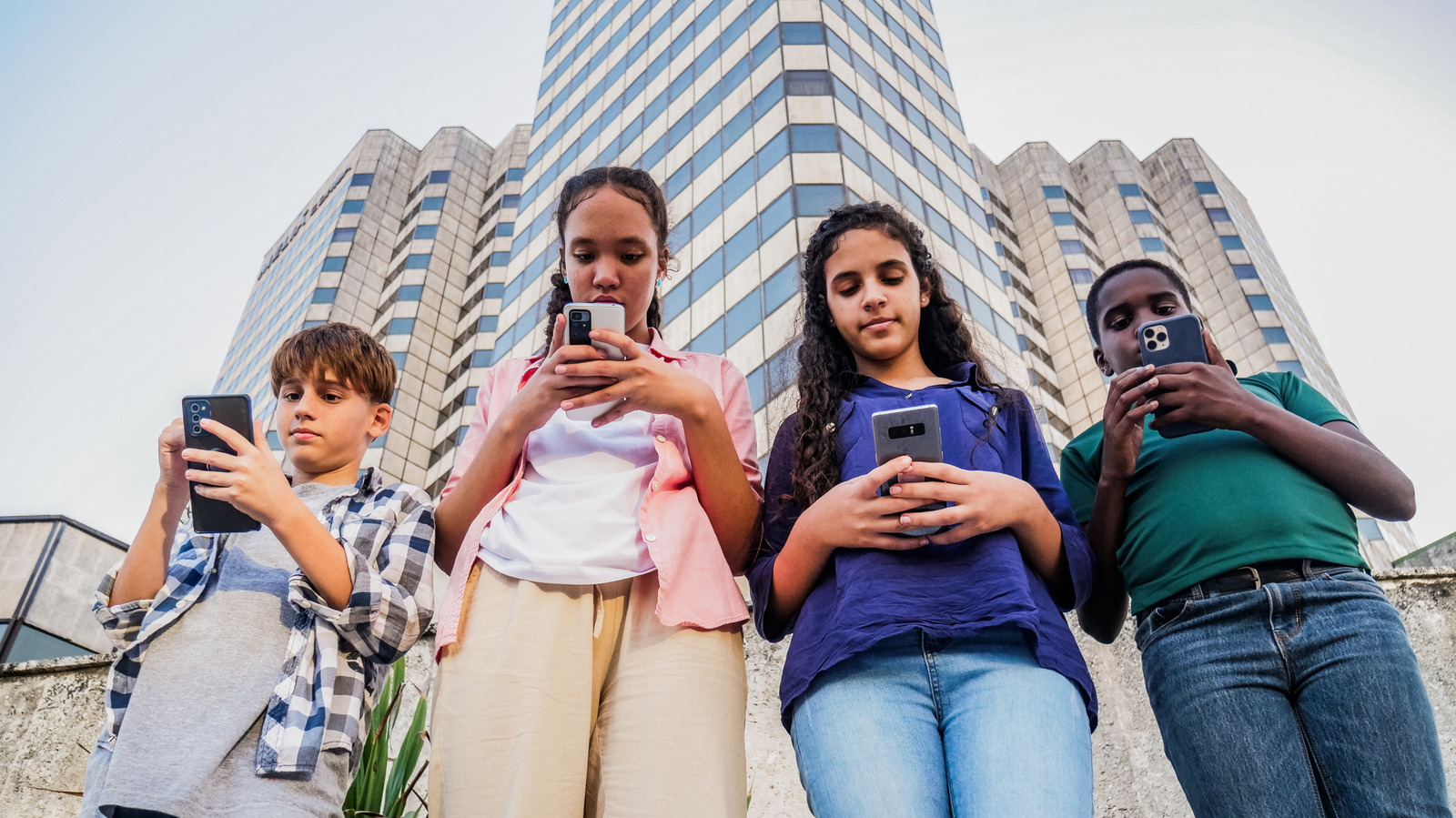
Australia's social media ban for teens under 16 has shown little evidence of effectiveness, according to a study by the University of Newcastle. Published in the British Medical Journal, the study surveyed participants aged 12 to 17 before and three months after the law took effect, focusing on TikTok, X, Facebook, Instagram, YouTube and Snapchat.
More than 85% of teens under 16 continued using these apps, even though two-thirds encountered age checks. Between 54% and 68% kept using their original accounts. The most common age check was self-declaration of age, which authorities have criticized for limited effectiveness. Among respondents, 24% to 39% faced self-declared verification, while 13% to 27% passed checks by uploading a selfie.
Teens also found other workarounds: 15% to 19% used fake accounts, 9% to 29% used someone else's account, and about 11% used private browsers. Very few reported using a VPN.
Overall, social media use remained the same among 12- to 13-year-olds after the ban, declined among 14- to 15-year-olds, but increased among those over 16. While researchers acknowledge early days and a small sample relying on self-reporting, an accompanying editorial stresses these are early signals worth tracking.
"What these figures collectively describe is a partially implemented policy, one in which the mechanism intended to restrict access was not reliably activated," said Dr. Amrit Kaur Purba of the London School of Hygiene & Tropical Medicine. She noted that Australia's experience shows legislating a restriction is not the same as enforcing one, and countries like the UK need effective age assurance from the outset.

