Study: Screen Time for Under-Two-Year-Olds Can Harm Development
A comprehensive global review warns that regular screen time for children under two leads to long-term negative effects on health and development. Researchers urge a review of government guidelines and call for a 'baby screen-time risk assessment'.
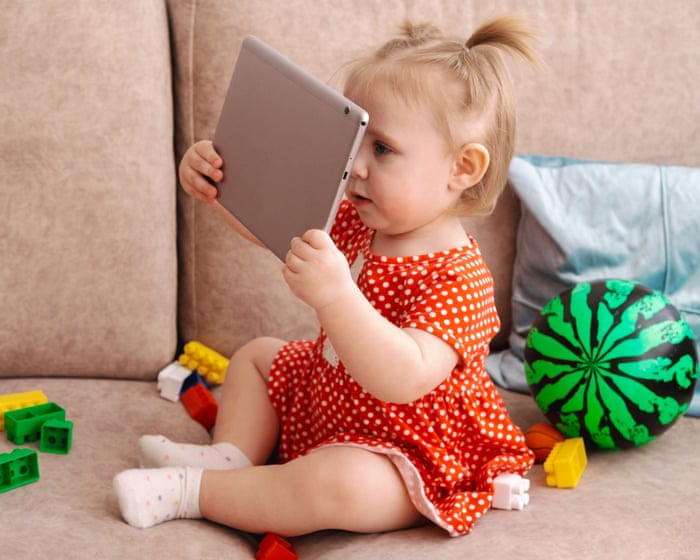
Landmark Study on Screen Time and Infant Development
A new study, described as the most comprehensive review of global research on the topic, has found that screen time for babies and toddlers under two years old is linked to long-term negative effects on health and quality of life. The research, conducted by scientists from four UK universities, calls for urgent investigation into the risks posed by smartphones, tablets, and other digital devices for infants.
The study warns that current government guidelines on screen time for under-fives may be misleading. While the guidelines recommend avoiding screens for under-twos, they allow exceptions such as shared activities that encourage bonding and conversation. The researchers argue that these exceptions could lead parents to believe that screen time is safe or even beneficial.
Specific Developmental Concerns
According to the study, screen use in early infancy can reduce opportunities for bonding with parents, limit physical play with other children, and hinder language development. It may also lead to overstimulation, sleep difficulties, eye health issues, and childhood obesity. Additionally, there are concerns that infants may turn to digital devices for comfort instead of seeking parents.
Rafe Clayton, a senior lecturer at the University of Leeds and co-lead researcher, stated that parents, lacking guidance on their own screen use, are inadvertently teaching children unhealthy habits. He emphasized that this must change.
Call for Policy Changes
The research team recommends a "baby screen-time risk assessment" to help services support families where developmental vulnerabilities may be emerging. Andrea Leadsom, a former Conservative minister and founder of the 1,001 Critical Days Foundation, called the study a "wake-up call" and stressed that responsibility should not rest solely on parents. She urged technology companies to avoid labeling content as suitable for babies when evidence suggests otherwise.
Rachel de Souza, the Children's Commissioner for England, who contributed to the government guidelines, said the advice is intended to support parental judgment, not replace it. She noted that shared screen use in limited circumstances, such as video-calling relatives, is normal.
A Department for Education spokesperson expressed pride in the guidelines, calling them the first of their kind and a source of trusted support for families.

/nginx/o/2024/03/07/15931432t1hf5ce.jpg)