Omega-3 and aspirin match antibiotics in treating severe gum disease, study finds
A yearlong clinical trial in Brazil and the US found that omega-3 combined with low-dose aspirin worked nearly as well as antibiotics for treating severe periodontitis. Researchers say the approach could help reduce unnecessary antibiotic use in some patients.
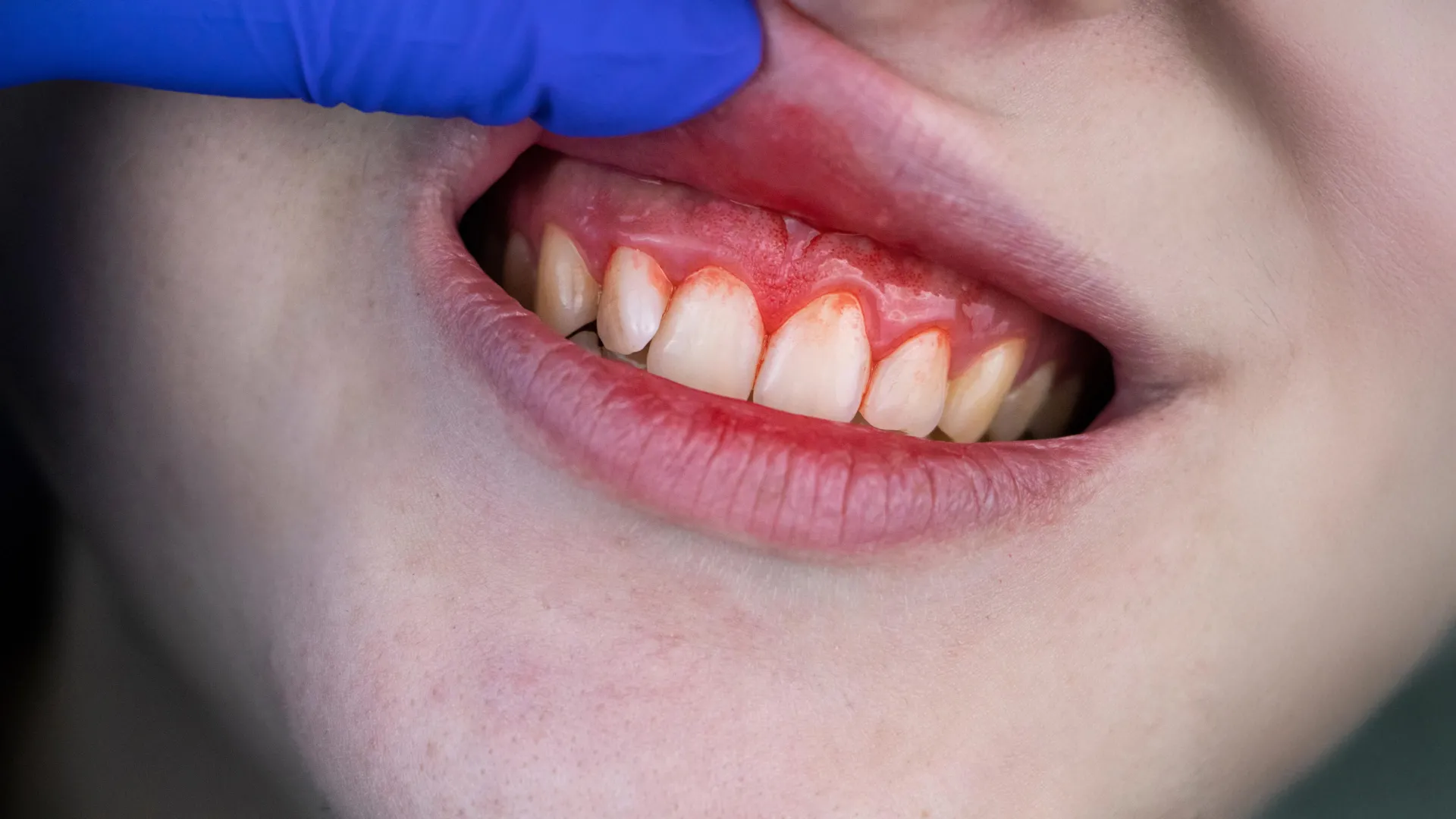
Researchers from Albert Einstein Israelite Hospital, Guarulhos University, the University of Taubaté, the University of São Paulo, and Harvard University have completed a yearlong clinical study exploring alternative treatments for severe periodontitis. The findings were published in the Journal of Periodontology.
Periodontitis is a chronic inflammatory disease caused by bacteria accumulating below the gumline. In advanced stages, it can destroy the bone supporting teeth and eventually lead to tooth loss. Severe cases develop deep pockets that act as bacterial reservoirs, making treatment especially difficult.
Four treatment groups compared
The study included 109 patients with advanced periodontitis, divided into four groups. All received standard scaling to remove bacterial deposits below the gums. In addition, one group received a placebo, a second received the antibiotics metronidazole and amoxicillin for two weeks, a third took omega-3 and low-dose aspirin for six months, and a fourth combined both approaches.
After one year, about 58% of patients on antibiotics reached the study's clinical target of no more than four remaining deep pockets. The omega-3 and aspirin group achieved a nearly identical result, with 57.7% reaching the same goal, compared with only 23.1% in the placebo group. Notably, combining antibiotics with omega-3 and aspirin provided no additional benefit over either approach used alone.
Helping the body resolve inflammation
According to the researchers, omega-3 works differently from conventional anti-inflammatory drugs by promoting molecules that help the body naturally end inflammation and repair tissue, an effect enhanced by low-dose aspirin.
The benefits of the omega-3 and aspirin regimen persisted for six months after treatment ended, suggesting the effect on the body's inflammatory response may be long-lasting.
The study's authors caution that the results are promising but not yet sufficient to make omega-3 and aspirin a routine replacement for antibiotics. Further research is needed in broader patient populations to determine who would benefit most, particularly patients who are allergic or intolerant to antibiotics.
/nginx/o/2026/08/28/17881569t1h07e9.jpg)
/nginx/o/2026/08/20/17859681t1h9a79.jpg)