Study links wild swimming to higher risk of stomach bugs and skin rashes
The largest controlled study of its kind has found that swimming in rivers and lakes raises the risk of gastrointestinal illness and skin complaints, particularly in water with high E coli levels.
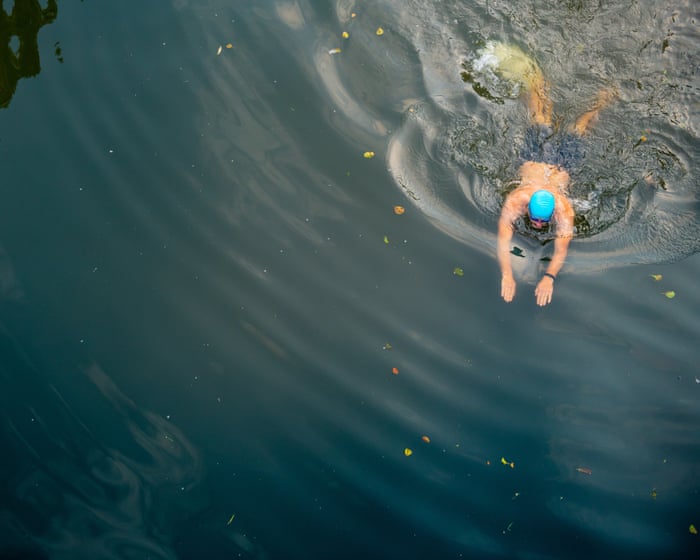
A large controlled study conducted in Hungary has found that swimming in rivers and lakes is associated with an increased risk of stomach illness and skin problems. The research, described as the largest controlled trial of its kind, was led by Paul Hunter, a professor of medicine at the University of East Anglia.
The study involved 2,368 people at four bathing sites — two rivers and two lake-like locations. Participants were randomly assigned either to spend 10 minutes in the water, immersing their face several times, or to stay on the shore. Water was sampled throughout to estimate each swimmer's exposure to E coli, intestinal enterococci, and somatic coliphages, viruses that can indicate faecal contamination.
A week later, participants reported their symptoms. About 2.1% of swimmers developed gastrointestinal illness, such as diarrhoea, vomiting or nausea with fever, compared with 1.9% of those who did not swim. While bathing itself was not statistically linked to illness, the risk rose significantly among those exposed to higher concentrations of E coli and coliphages.
Skin complaints — rashes, ulcers or itching — affected 2.7% of swimmers versus 1.3% of non-swimmers, making bathers more than twice as likely to experience such problems. Notably, the skin issues were not linked to markers of faecal pollution, suggesting other causes such as avian parasites triggering cercarial dermatitis, or irritation from algae.
The findings raise questions about the World Health Organization's decision to drop E coli as a recommended pollution indicator for freshwater bathing sites in favour of enterococci alone. Hunter noted that E coli, not enterococci, was linked to increased illness risk, and suggested reinstating E coli monitoring and considering somatic coliphages as an additional indicator. All four sites tested complied with EU bathing-water standards in force at the time of the trials.