Dog brains can tell fear apart from anger and sadness in human faces, study finds
University of Vienna researchers used MRI brain scans to show dogs can distinguish not just happy from negative human facial expressions, but also different types of negative emotion. The findings were published in the journal iScience.
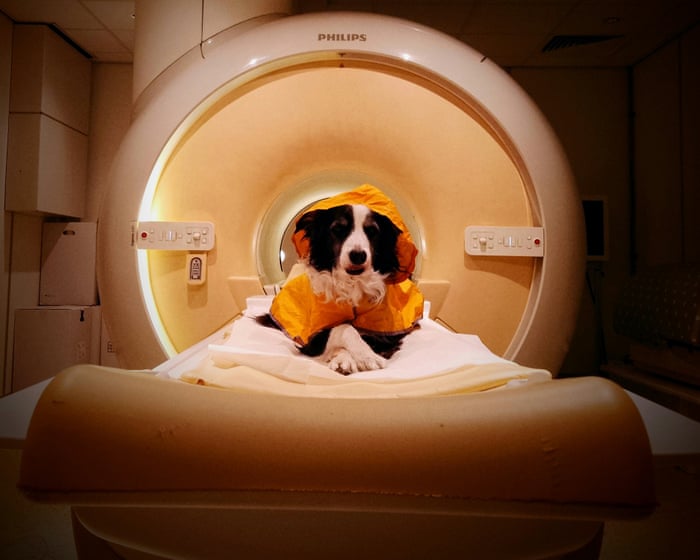
Researchers at the University of Vienna have used MRI brain scans to show that dogs can tell apart different types of human facial expressions, going beyond simply distinguishing positive from negative emotions.
Study co-author Dr Laura Cuaya explained that earlier behavioural studies had already shown dogs could distinguish some human expressions, but these tests usually compared only two expressions at a time — one positive, one negative. This left it unclear whether dogs could tell apart different types of happy or unhappy faces.
Two experiments
In the first experiment, eight dogs were trained to lie still voluntarily inside an MRI scanner while shown unfamiliar human faces displaying either happy or neutral expressions. The scans revealed increased activity in brain regions linked to visual, social and reward processing when the dogs viewed happy faces.
In a second experiment involving 12 dogs, researchers used machine learning to analyse brain activity as the animals were shown faces expressing happiness, sadness, fear and anger. Looking at activity across the whole brain, the team found dogs could distinguish sad from fearful faces, and angry from fearful faces, though not anger from sadness.
First author Dr Raúl Hernández Pérez suggested that different negative expressions may trigger different responses because they signal different kinds of threat. The researchers noted it may be harder for dogs to distinguish between two expressions of the same valence, and that dogs might rely on additional cues, such as body language, to separate anger from sadness.
The study has limitations, including a small sample size, with most dogs being border collies without behavioural problems. Cuaya said the findings could have practical value — for instance, showing happiness during training could help dogs learn.

/nginx/o/2026/09/27/17941067t1hdfc1.jpg)
