Researchers Seek Ways to Make Latvian Asphalt Crack Later and Last Longer
Swiss and Latvian scientists in the LACHMAT project are studying how to slow asphalt ageing and cracking. The research also covers recycled asphalt and bio-based additives.
Researchers from Riga Technical University (RTU) and Swiss colleagues are looking for ways to help Latvian road asphalt age more slowly and start cracking later. The work is part of the LACHMAT project, which has run since 2025 under the Swiss–Latvian cooperation programme "Applied Research". Premature cracking is one of the biggest road maintenance problems in Latvia, as it raises repair costs paid by taxpayers.
Why cracks matter
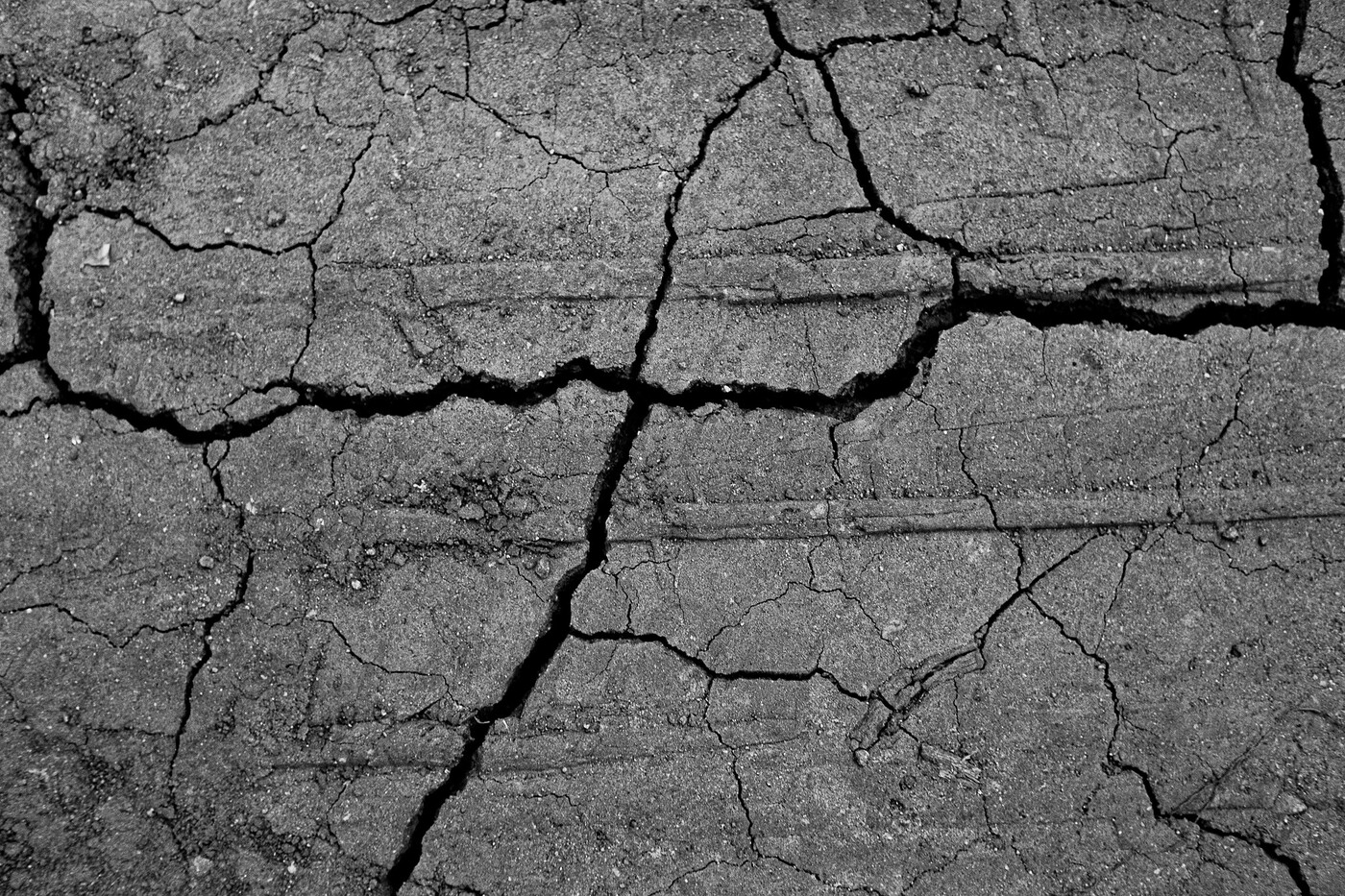
While the asphalt surface is intact, it protects the layers beneath. Once cracks appear, water gets in and can reduce the road's load-bearing capacity. In winter, freeze-thaw cycles enlarge the damage until potholes form.
Viktors Haritonovs, associate professor at RTU's Institute of Civil Engineering, explains that a road starts deteriorating well before a crack is visible. Vehicle loads and temperature swings create microscopic damage that accumulates and eventually reaches the surface. Specialists can often identify the cause from the crack pattern: longitudinal cracks may point to temperature effects and ageing, while a network of cracks indicates fatigue from heavy vehicles.
According to the researchers, the greatest challenge for Latvian roads is neither extreme cold nor heat, but frequent alternation between frost and thaw.
Laboratory testing
Asphalt ages because bitumen, which binds the mineral aggregates, gradually oxidises and becomes harder and more brittle. After five years the changes are not yet visible but can be measured in a laboratory. After 15 years or more, the likelihood of cracking rises significantly.
RTU doctoral student Romāns Kornišovs says the lab simulates traffic loads, temperatures and ageing to forecast long-term behaviour. The aim is not to make asphalt as hard as possible, but to balance stiffness and elasticity.
Recycled asphalt and additives
The project pays particular attention to reclaimed asphalt pavement (RAP). Scientists are testing whether it can be improved with biopolymers: lignin, obtained from wood, and cardanol, obtained from cashew nut shells. The goal is for reused material to perform at least as well as new.