Pew Research: Muslims to Outnumber Christians Worldwide by 2035
Demographic projections from the Pew Research Center indicate that the world's Muslim population will exceed the number of Christians by 2035. Higher birth rates among Muslims are the main reason.
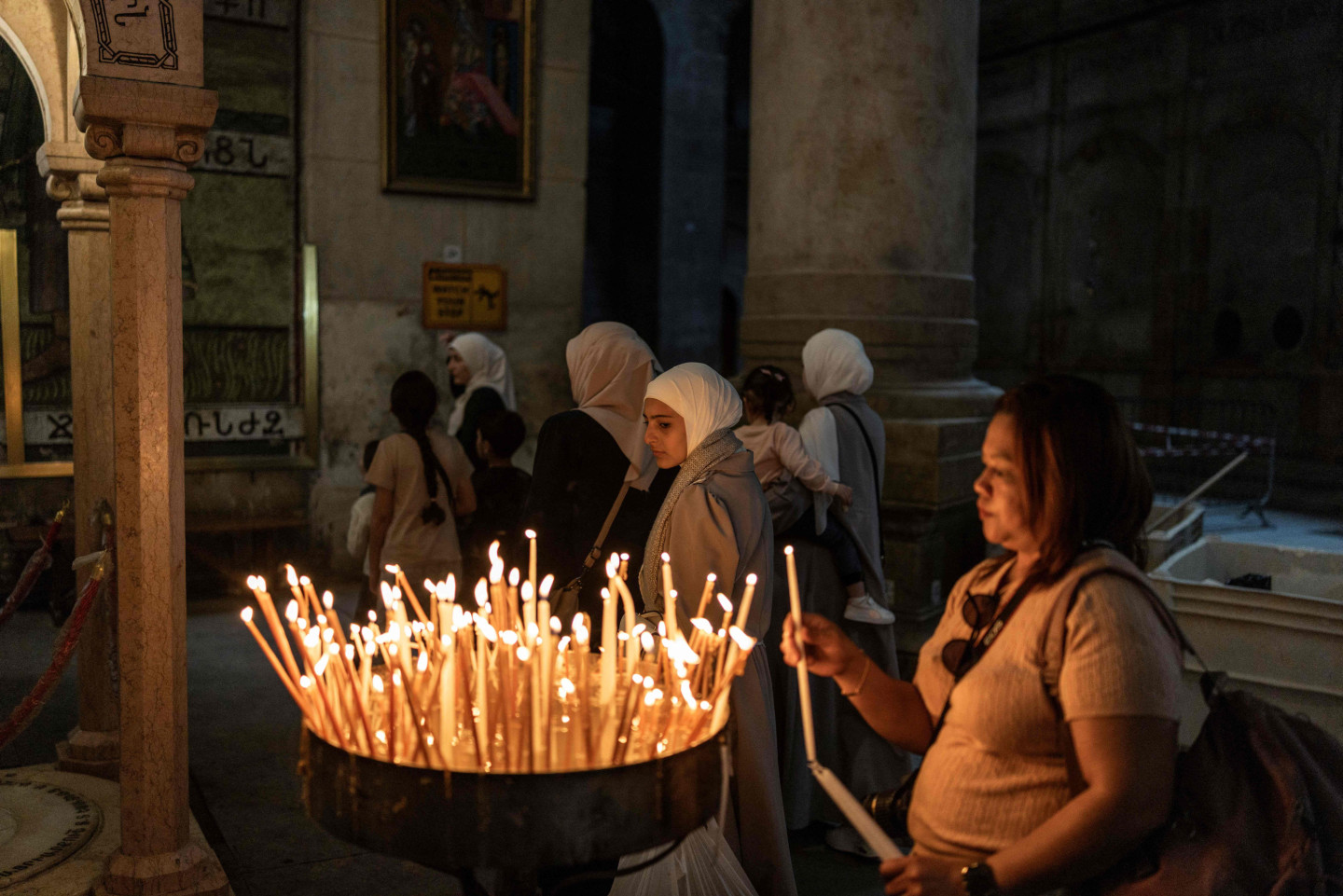
The Pew Research Center, a research organisation, says in its latest demographic projections that Muslims, currently the world's second-largest religious group, will overtake Christians, who remain the largest, by 2035. The projections run to 2070 and show how the religious makeup of the global population is set to change.
The Muslim population is growing faster than any other major religious group, mainly because of high birth rates. Between 2020 and 2025, the total fertility rate was 3.1 children per Muslim woman and 2.5 per Christian woman. Women of other religions and those with no religious affiliation averaged 1.6 children. Demographers generally consider about 2.1 children per woman necessary to replace a generation.
Natural increase and religious switching
The projections foresee births far outnumbering deaths in both communities. From 2020 to 2070, natural increase will add 1.6 billion Muslims worldwide and 792 million Christians.
Changes in religious affiliation will have a much smaller effect than birth rates. Islam is expected to lose a net eight million people through switching, while Christianity would lose a net 105 million. Most of those leaving Christianity will no longer identify with any religion. Direct movement between the two faiths is expected to roughly balance out: 9.2 million people will leave Islam for Christianity, while nine million will move the other way.
Where growth will occur
The largest rise in Muslim numbers is expected in countries where they are already the majority. In 2020 there were 53 such countries, and by 2070 their Muslim population will grow by 1.2 billion, or 74% of the global increase. In Pakistan, the number of Muslims will double from 227 million to 461 million, making it home to the world's largest Muslim community.
Christian growth will be concentrated in 120 countries where Christians were the majority in 2020; there their number will rise by 630 million, or 92% of the global increase. In the Democratic Republic of the Congo, the Christian population will triple from 92 million to 299 million.
In some majority-Christian countries the number of believers will fall, as people drift away from the church and societies age. In the United States, home to the world's largest Christian community in 2020, the number will drop from 217 million to 174 million. Muslims will remain a minority in most regions, but will make up 95% of the population in the Middle East and North Africa. In the Asia-Pacific region, Muslims will outnumber the religiously unaffiliated.