Traffic rises at Estonia's southeastern border crossings ahead of closure
Traffic at the Saatse, Luhamaa and Koidula crossings on Estonia's border with Russia has grown by 20–30 percent before their closure on December 1. Border guards describe the situation as calm and under control.

Ahead of the planned closure of border crossings in southeastern Estonia, more people are travelling to and from Russia. The Police and Border Guard Board (PPA) says passenger numbers at the Saatse, Luhamaa and Koidula crossings have risen by 20–30 percent since the start of the month, though the overall situation remains stable and calm.
These crossings will close on December 1, together with those in Narva in northeastern Estonia. The decision followed attempted arson attacks on two Estonian defense industry companies and elsewhere in Europe, which security services attribute to Russia's military intelligence agency, the GRU.
Last necessary trips
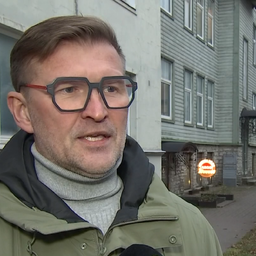
Peter Maran, head of the southeastern border crossing point, said the increase is driven by people wanting to make their final necessary trips. He noted that those with important business left in Russia are trying to complete it now.
Queues have not grown significantly in recent days. Maran said waiting times have been longer since 2024, when the Tax and Customs Board began full customs checks on people entering Estonia too, in order to prevent sanctions evasion. In his view, it is this tighter customs control, rather than the upcoming closure, that has caused the queues.
No incidents
Unlike in Narva, where the closure has caused discontent, no incidents have been reported at Koidula, Luhamaa or Saatse. Maran said people have accepted the closure, with no conflicts, use of force or provocations.
From Tuesday, when border checks at the eastern crossings end, around 160 officials will be reassigned to other border management duties. Surveillance of the eastern border will be stepped up, along with domestic operations as Schengen compensatory measures.
In total, five land border crossings will close from December 1, including two in Narva for at least six months. Crossing on foot or by vehicle will not be possible. Railway crossings with Russia remain open for now. Travelers can still enter Russia overland from Europe via Norway, Latvia, Lithuania and Poland.