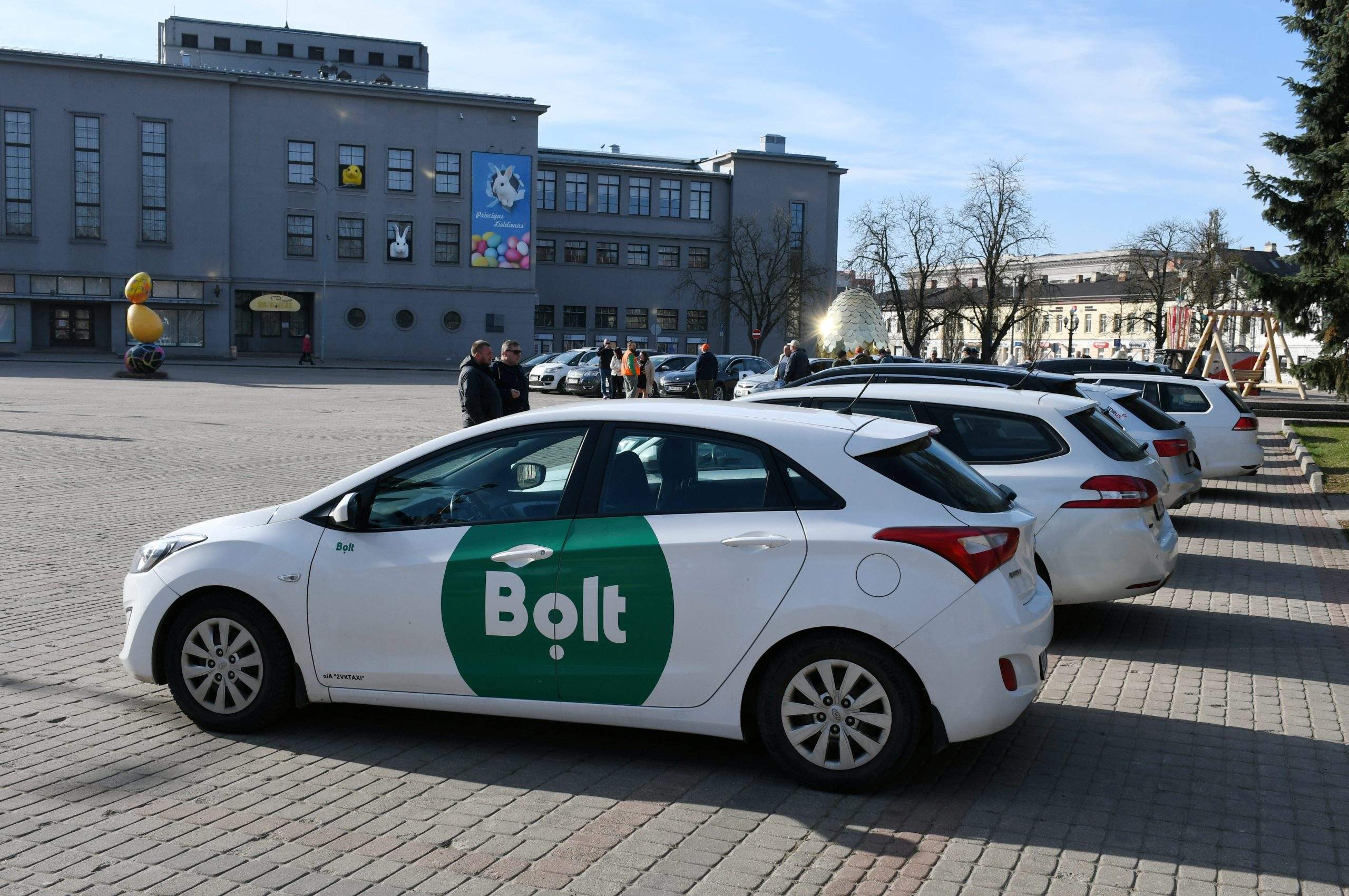
Before USB-C: Five Forgotten Phone Charging Ports
Tech site Engadget looks back at five older phone connectors used before USB-C became the standard. They appeared on devices from Motorola, Nokia, Apple, Sony Ericsson and HTC.
Tech site Engadget has reviewed five older mobile phone connectors that manufacturers used when there was no common charging standard. USB-C is now the leading option, its position cemented by a sweeping European Union mandate. Earlier ports were bulkier and less feature-rich, and the lack of a universal connector meant users often needed a new charger when switching phone brands, which generated a significant amount of electronic waste.
Motorola and Nokia
Motorola's 17-pin CE Bus connector first appeared in 2000. It was not reversible and was held in place by hooks, but it handled power, data and audio together. It was used in the V60 and in the first phone with iTunes support, the Motorola ROKR E1. Thinner models such as the Razr V3 moved to Mini-USB, making CE Bus obsolete.
Nokia's Pop-Port was designed for accessories, from earphones to data cables. On the Nokia 7210 from 2002, the 14-pin port supported camera add-ons and car kits, but its plastic clips wore down over time. Charging usually relied on a separate 2.0 mm barrel connector. As Mini-USB became common, Pop-Port faded away.
Apple, Sony Ericsson and HTC
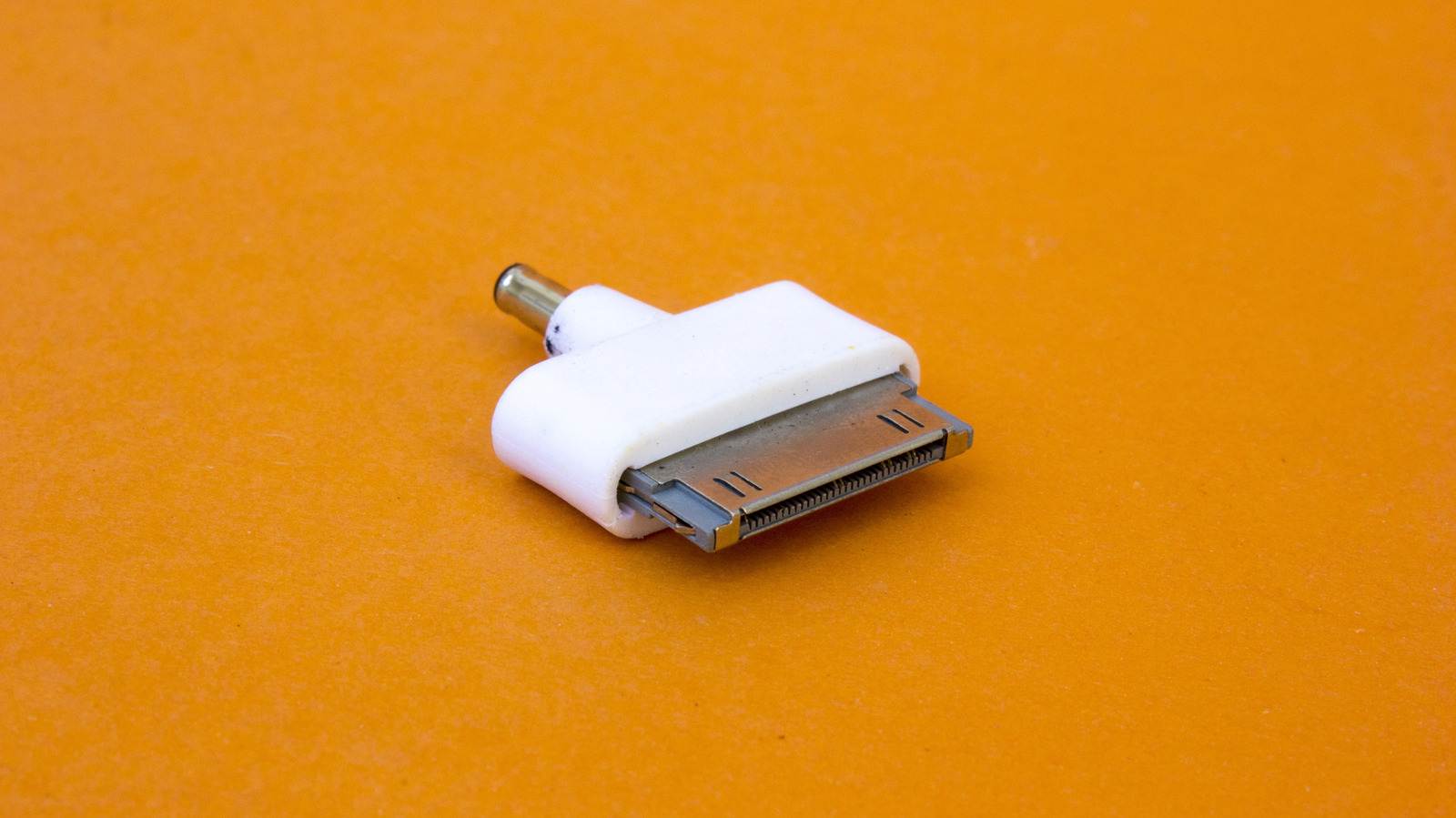
Apple's 30-pin connector first appeared in 2003 on the third-generation iPod and was later used on the first iPhone and iPad models. In 2012 the company replaced it with the smaller, reversible 8-pin Lightning connector. The iPad Pro switched to USB-C in 2018, and the iPhone 15 lineup followed in 2023.
Sony Ericsson's 12-pin FastPort debuted in 2005 on the K750i, combining data transfer, charging and audio output. If a hook broke, the plug would no longer snap into place. In 2010 it was replaced by a Micro-USB and 3.5 mm audio jack combination.
The HTC Dream, the first commercially available Android phone, used the 11-pin ExtUSB port. It extended the 5-pin Mini-USB with extra pins for data, power and audio, so regular Mini-USB chargers worked with it. Because phones with this port lacked a headphone jack, users had to buy adapters.