Police warn against speculation in Widdecombe murder investigation
Devon and Cornwall police urge the public not to speculate about the murder of former minister Ann Widdecombe, saying it is unhelpful and distressing for the family, as detectives find no evidence of political motivation.
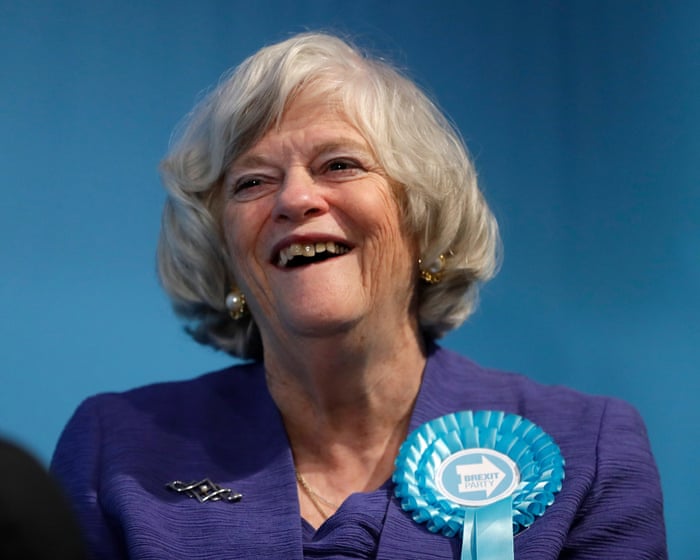
Senior police figures and politicians have warned against speculation during the murder investigation into Ann Widdecombe’s death, after detectives said there was “nothing to suggest” political motivation following an intervention from Nigel Farage.
Devon and Cornwall police said on Sunday the killing investigation was not being treated as terrorism nor as politically motivated. Officers said they remained open-minded about the motive and urged the public not to speculate, warning it was both unhelpful to the investigation and distressing for Widdecombe’s family.
Widdecombe, a former Conservative minister and later Reform UK spokesperson, was found dead at her home in Haytor in Devon on Thursday having sustained serious injuries. Police said she may have been dead for more than 24 hours before her body was discovered.
Farage visited the area around Widdecombe’s Devon home shortly after news of her death. On Saturday, the Reform UK leader told journalists her death appeared to be “premeditated murder”. He also argued the case demonstrated that for “people now in public life, especially in politics, the world is very much more dangerous than it’s ever been, whatever the outcome of the motives of the killer”.
Police said a 28-year-old man arrested in Rotherham on suspicion of murder remained in custody. Officers said they were not looking for anyone else in connection with the investigation and there was no evidence to suggest any wider threat to the public.
Politicians from across the political spectrum have urged greater restraint, with one Labour minister saying that public statements “rarely help the police during an investigation”, while the former Conservative justice secretary David Gauke said people in public life “should know better than to speculate publicly”.
Sir Peter Fahy, the former chief constable of Greater Manchester police, said there had been a “very noticeable trend” for politicians, including government ministers, to comment on police incidents and murder investigations while they were still unfolding. Fahy warned that public interventions could create practical dangers for detectives, including witnesses being “contaminated”, potential suspects being alerted and evidence being destroyed.
A former Home Office minister said it was “wrong for senior political figures to engage in uninformed speculation during a live investigation”, adding: “This is distressing to victims’ families and can cause unfounded public alarm.”