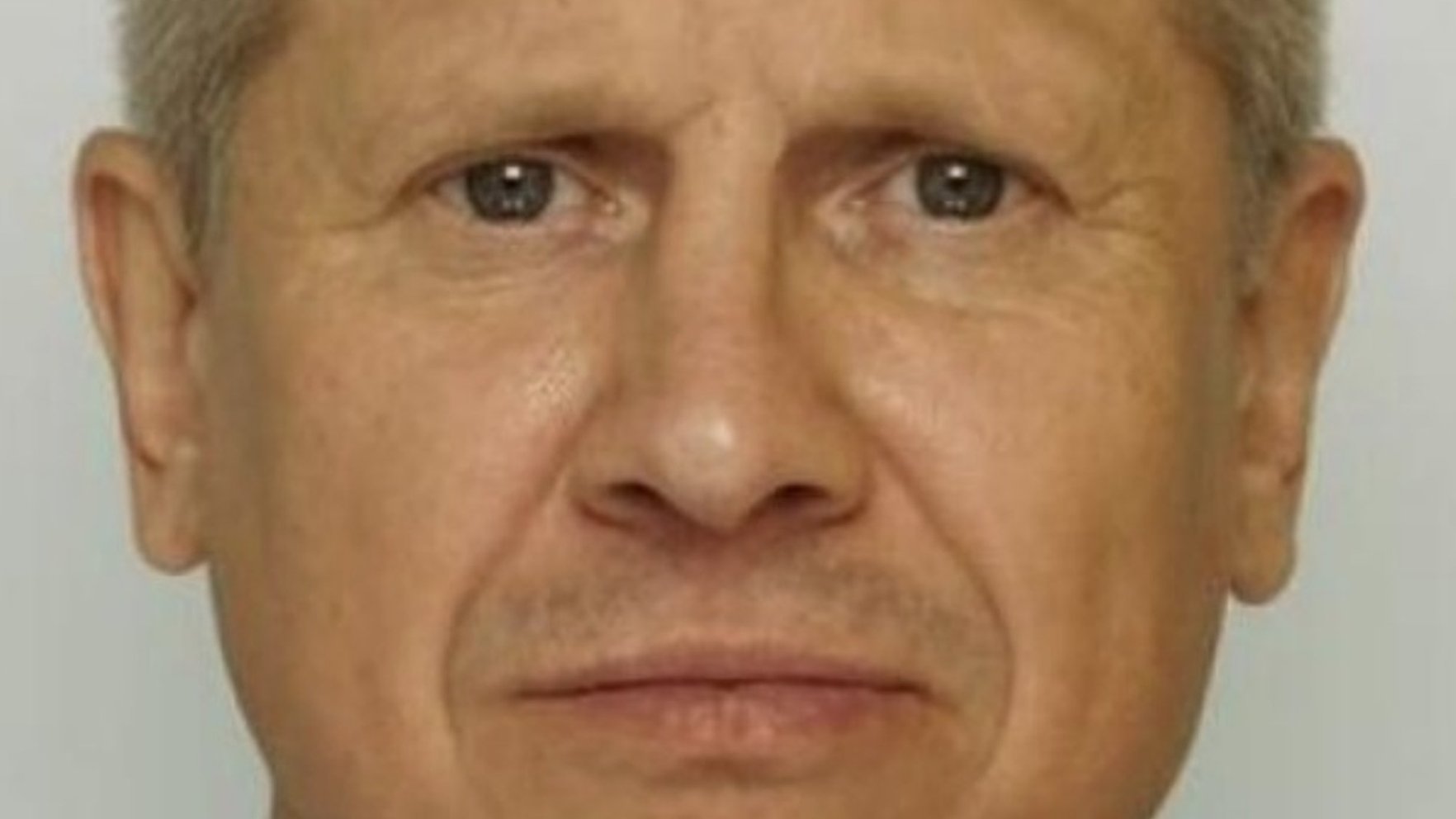
Police investigator: confiscating criminal assets is a fight against criminals' finances
A head of a division at Latvia's State Police Economic Crime Enforcement Department (ENAP) explains in an interview how money laundering is investigated and why owners can be required to explain the origin of their assets.

Guntars Gūte, head of the 1st division of the Economic Crime Enforcement Department (ENAP) of the Latvian State Police, explained in an interview with the newspaper Diena how laundering of criminally obtained funds is investigated in Latvia, and why he considers it important to do so even when the specific underlying crime is unknown. Journalist Jānis Goldbergs also took part in the conversation.
Experience and the Moneyval assessment
Gūte has worked in the police since 2011: he started at the State Police College, served in the convoy battalion, and worked at the Riga city centre precinct, in ENAP and in the Riga Region Department, where he headed a division investigating insolvency-related crimes. Since 2022 he has led the ENAP division that mainly investigates money laundering. He began this work while Latvia was undergoing a Moneyval assessment, by the Council of Europe's anti-money-laundering expert committee. According to him, the final report rated the institution's skills and competence positively.
Proof and the reversed standard
Laundering cases under Article 195 of the Criminal Law can exist with or without a link to a predicate criminal offence. Gūte notes that in most countries such an offence need not be known. Latvia's rules, which the Constitutional Court has also reviewed, allow investigators to prove that an owner cannot credibly explain the origin of assets and that they are most likely of criminal origin. Once enough initial evidence is gathered, an investigator may require the owner to explain how the property was obtained lawfully.
Property is not seized on suspicion alone: a judge assesses the body of evidence. Gūte cites studies saying organised crime groups in the EU earn about €150 billion a year, while only 1–2% is confiscated.
Compensation and criticism
Responding to doubts about investigation quality, Gūte stressed that the court has the final say. He acknowledged that frozen funds cause inconvenience to companies, but said situations where an investigation fully halts a business's activity are extremely rare. The law provides for compensation, and claims are reviewed by the Prosecutor General's Office.