Polygamous sect leader convicted of child abuse after girls found in trailer on highway
Samuel Bateman, a polygamous sect leader already serving a 50-year federal sentence, was convicted Friday on state child abuse charges after three girls were discovered in an unventilated trailer he was hauling through Arizona.
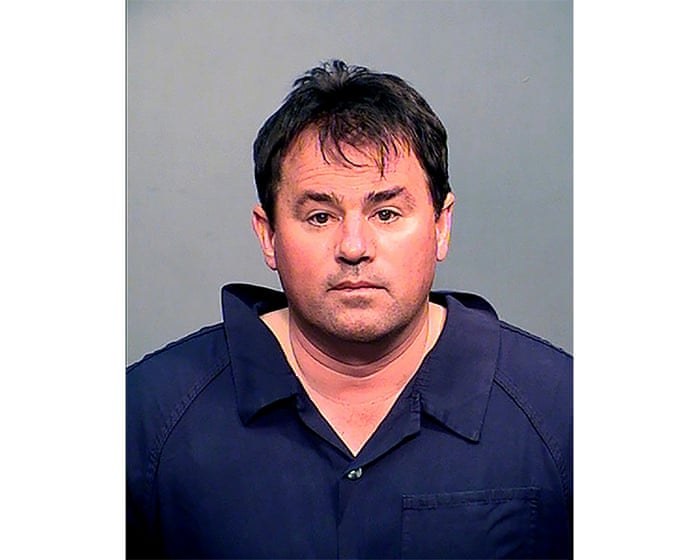
Samuel Bateman, a polygamous sect leader already serving a 50-year federal prison sentence for orchestrating sex involving children, was convicted Friday on state child abuse charges. The case dates back to 2022 when someone alerted authorities after seeing small fingers reaching through gaps in the trailer doors. Police stopped Bateman's vehicle in Flagstaff and found three girls, ages 11 to 14, inside the enclosed trailer, which contained a makeshift toilet, a sofa, and camping chairs.
Bateman was convicted on three counts of child abuse. He represented himself at trial and repeatedly mentioned his federal conviction despite the judge's order barring such evidence. The jury returned a verdict in about 40 minutes.
During closing arguments, prosecutor Eric Ruchensky told jurors: "It's common sense that you don't carry people in a trailer designed for cargo on a hot day with no ventilation." Bateman testified that he would never harm those he loves and that he trusted God as a driver. He acknowledged knowing the girls were in a hot trailer for hours with poor ventilation but claimed he thought they had gotten out when he stopped.
Federal authorities said Bateman, a self-proclaimed prophet, traveled extensively across Arizona, Utah, Colorado, and Nebraska as he built an offshoot network of the Fundamentalist Church of Jesus Christ of Latter-day Saints. He and his followers practiced polygamy. Bateman was a trusted follower of Warren Jeffs, who previously led the sect and is serving a life sentence in Texas for child sexual assault.
The influence of the polygamous sect in the historically based towns has waned significantly. In 2017, a court order placed the towns under supervision, separating the church from local governments. Last summer, the towns were released from supervision nearly two years early. Practicing sect members are now believed to account for only a small percentage of the towns' populations.