Polish pork sector proposes special law and farm restructuring to rebuild piglet production
Poland's pork industry, in its strategy to 2035, proposes a special law to speed up construction of piglet-production facilities, along with restructuring of pig farms. About 40% of piglets in the country's pork supply chain are currently imported, mainly from Denmark.
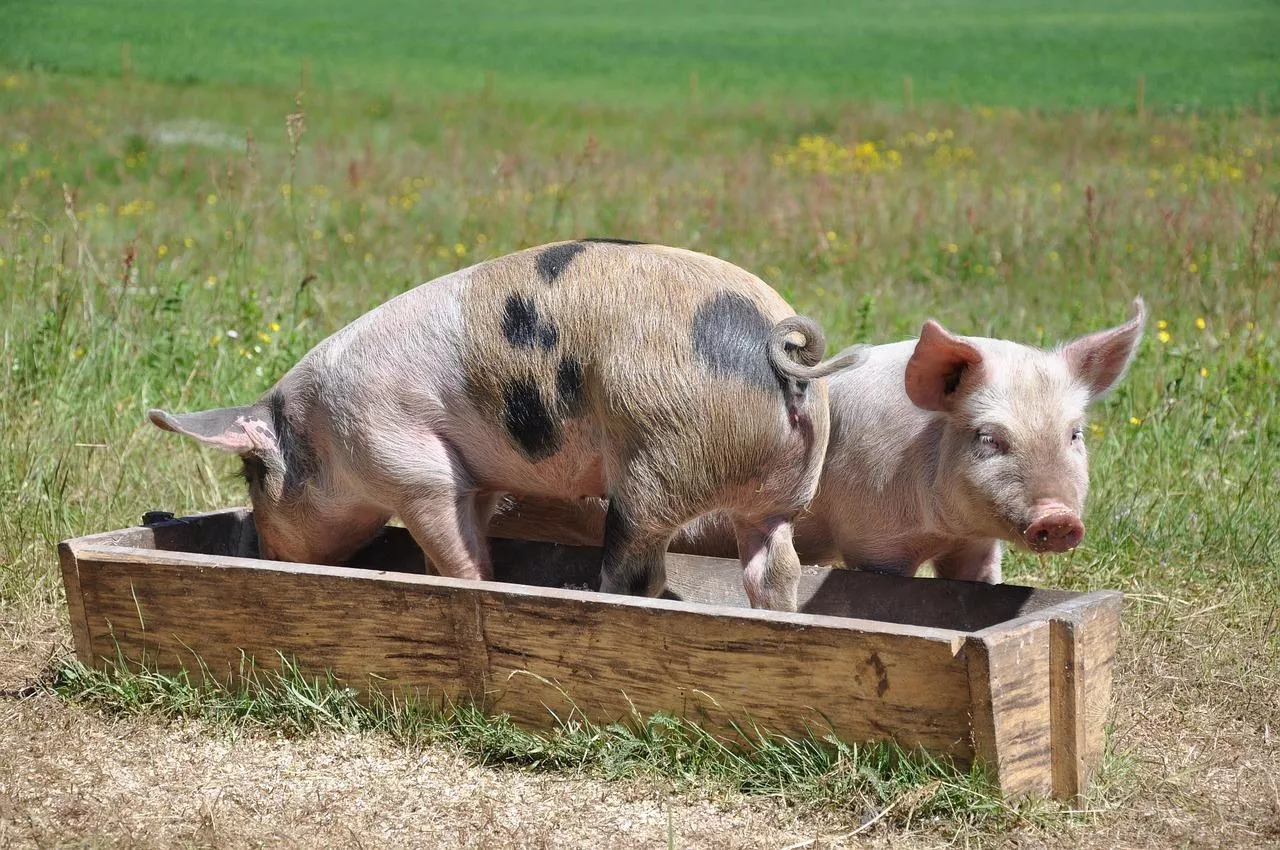
Poland's pork sector has drafted a strategy to 2035 aimed at rebuilding domestic piglet production. By estimates, about 40% of piglets used in the Polish pork supply chain are imported, mainly from Denmark. The strategy's authors see this as a risk to food security and sector stability, as Denmark and other piglet-exporting countries, including the Netherlands, plan to limit exports. According to the document, Poland will begin losing the ability to import piglets for fattening in the early 2030s.
Why production is not growing
The industry names a very long and inefficient investment approval process as the main obstacle, meaning even farms with capital and a suitable site often cannot complete projects. A sow place costs many times more than a fattening place, which puts such projects out of reach for many individual farmers. Suitable sites far from buildings are also lacking, and some producers lack skills: the number of piglets weaned per sow in Poland remains clearly lower than among key competitors.
Proposed solutions
The industry proposes a special law with a fast-track investment procedure, while keeping environmental, biosecurity and welfare requirements. KOWR, the agency managing state farm property, would assign coordinators and sell state-owned plots for construction. Other proposals include concentrating funding from various Strategic Plan interventions, training for breeders, and simpler planning and environmental rules, such as dropping the environmental impact report for investments of up to 210 livestock units.
Bogusław Prałat of the Polish Association of Independent Pig Producers warns that contract fattening threatens family farms and urges them to join in groups. Association colleague Damian Kacprzak stresses the importance of low-interest loans.
Farm restructuring
About 43,000 farms in Poland keep pigs, around 30,000 of them small, with fewer than 100 animals. The strategy divides them into farms with prospects, farms with limited development potential, and an in-between group that could move up through restructuring.